38 Oxley Street, St Leonards

State Significant Development Application (SSDA) No. SSD-91627487 is being advanced by BMV Developments Pty Ltd. The proposal involves demolishing the existing commercial building and constructing a 20‑storey shop top housing development, containing residential apartments including affordable housing units, above ground and mezzanine level retail space. The development also encompasses communal open space and 6 levels of basement parking.
Welcome

Welcome to the UrbanTalk Project Listing for the State Significant Development Application (SSDA) No. SSD-91627487, which is seeking development consent for the construction of a 20‑storey shop top housing development.

In this Project Listing you will find:

• Background information about the project;
• An explanation of the architectural solution for the site;
• Important planning considerations;
• The status of the Development Application;
• Details of upcoming community consultation events that you can participate in; and
• A feedback form to get in contact.

To register for the upcomming Community Q&A Webinar, visit the community consultation section of this page.

This Listing will be updated as new information about the project becomes available and as the Development Application progresses through the state significant planning process.

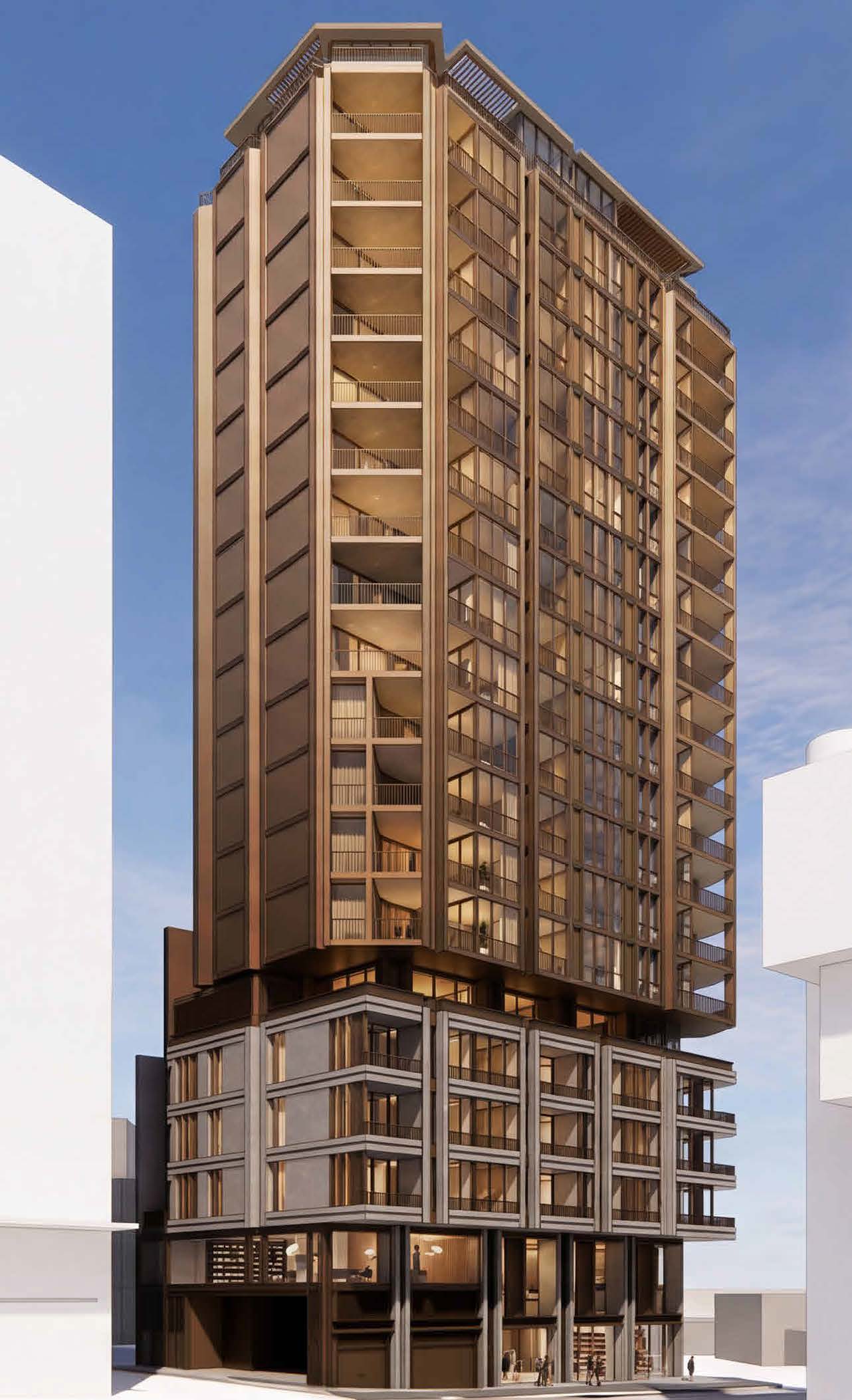
Artist’s Impression of Proposed New Development as Viewed From Crows Nest Metro Station

Source: WMK Architecture April 2026

Project details

Address
38 Oxley Street, St Leonards
Local Government Area
North Sydney Council
Project Type
Shop Top Housing
Status
Environmental Impact Statement
Developer
BMV Developments Pty Ltd
Architect

WMK Architecture

Country

Cammeraygal

Project Overview

BMV Developments Pty Ltd is progressing this State Significant Development Application (SSDA) for a shop top housing development at 38 Oxley Street, St Leonards. While the site is located within the North Sydney Local Government Area (LGA), the NSW Minister for Planning and Public Spaces or the Independent Planning Commission (IPC) is the Consent Authority for the SSDA as it is state significant development. Further information about the SSDA planning process can be found below on this Listing.

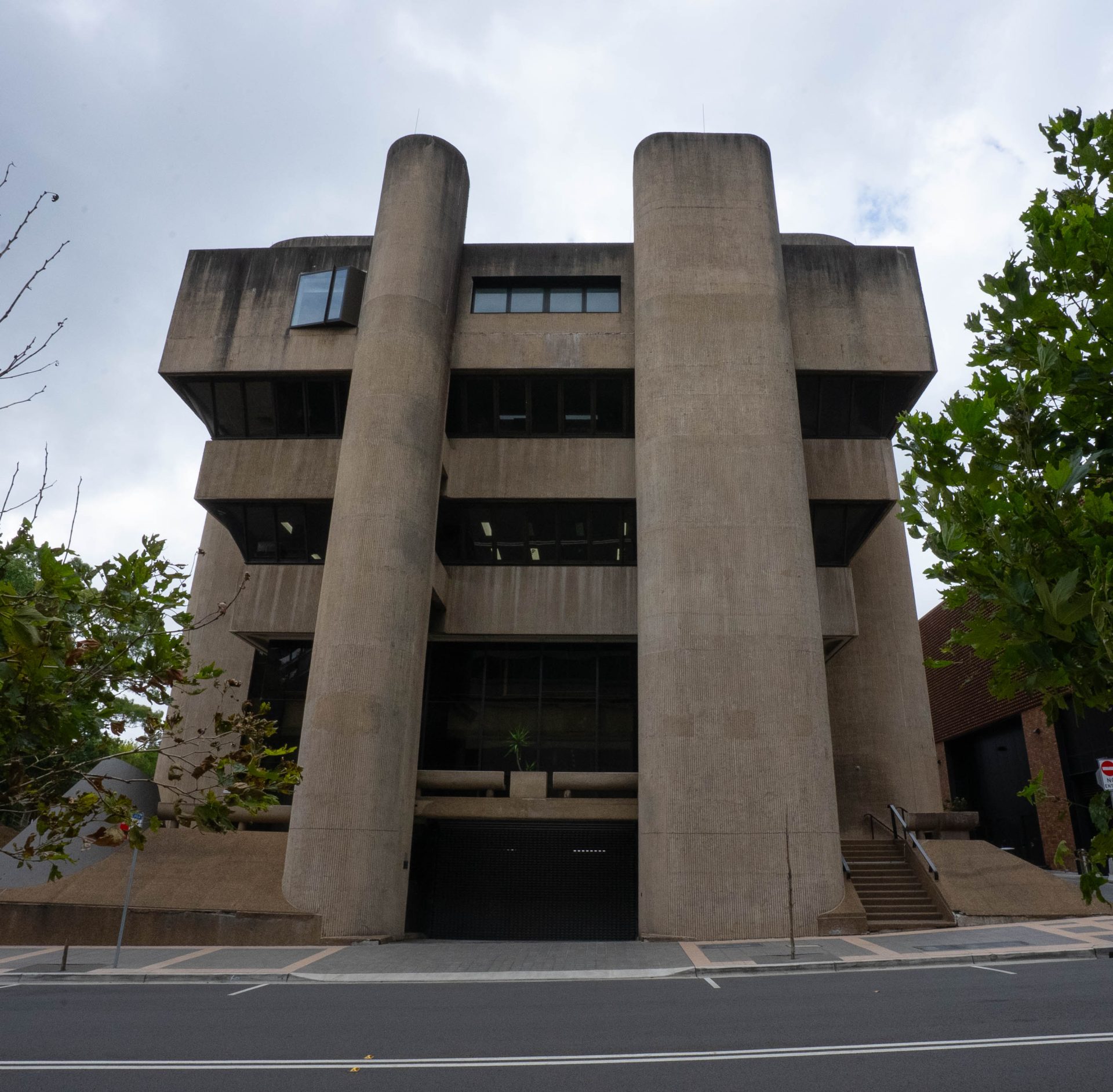
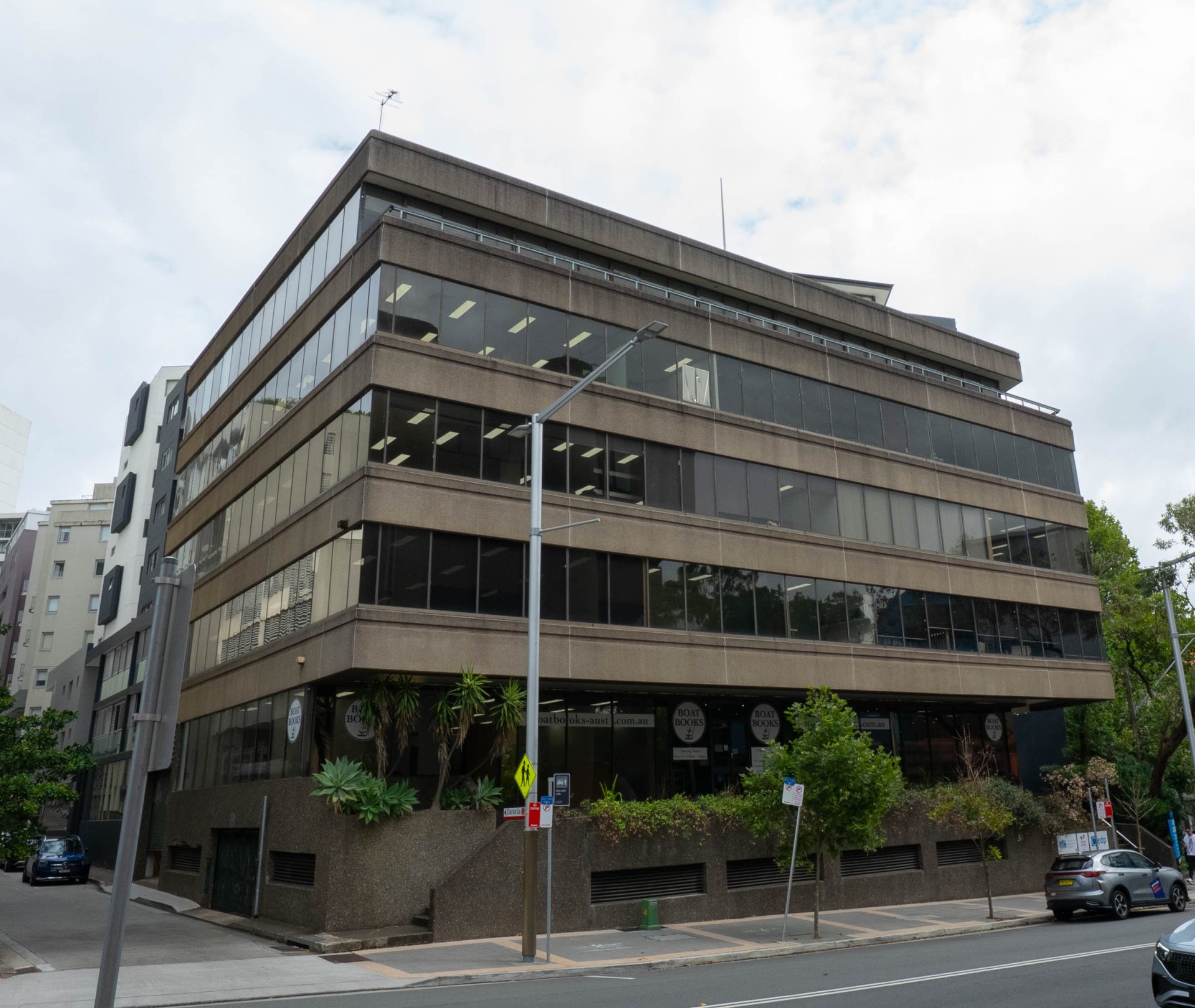
The site comprises of one allotment (DP570425) that measures 541 square metres in area. The site is a corner lot and has its primary frontage and address to Oxley Street and a secondary frontage to Clarke Lane. Pedestrian access to the site is available from both frontages, with vehicle access provided from Clarke Lane. The site is currently occupied by an existing 5 storey commercial building.

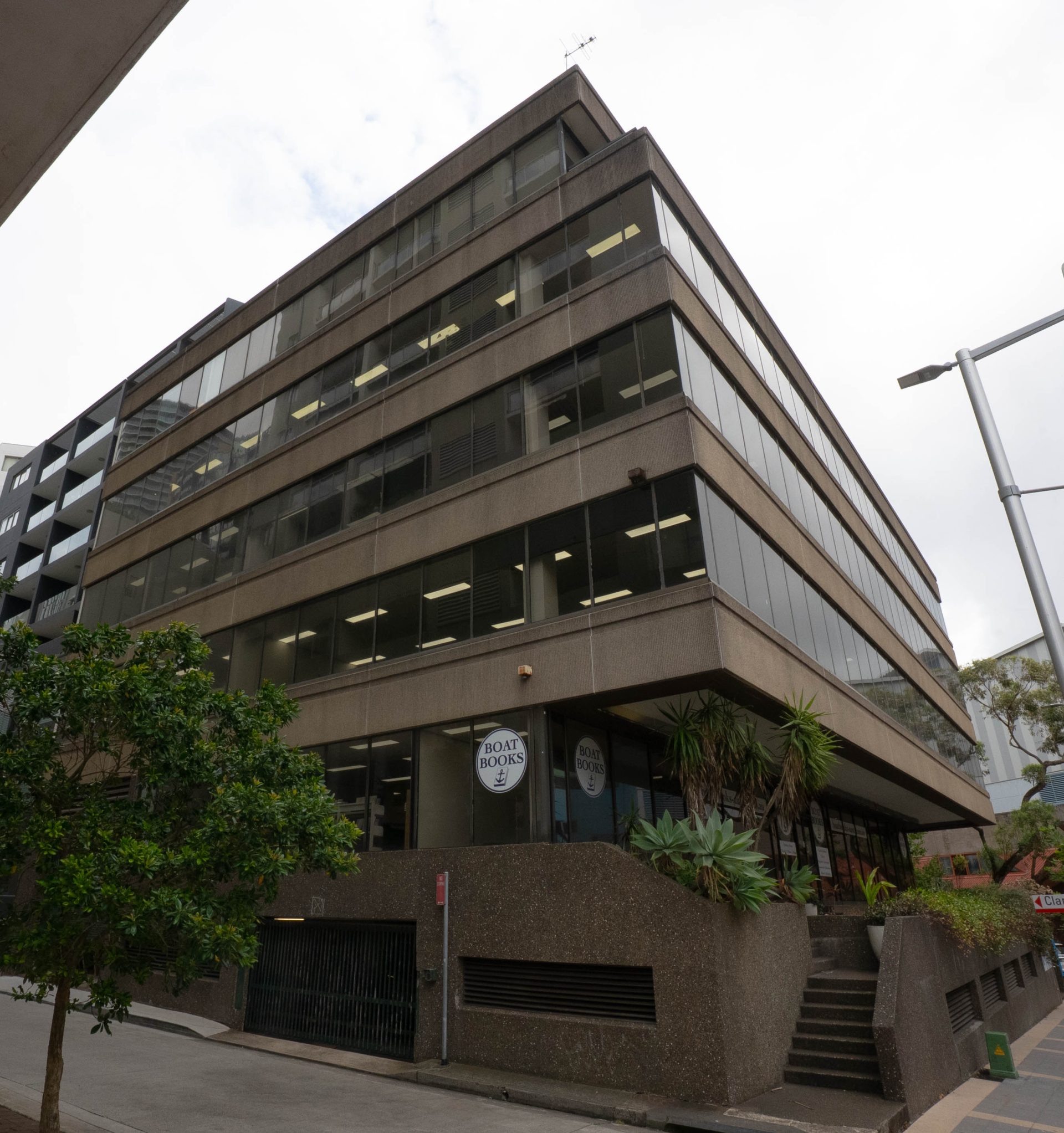
Current building on 38 Oxley Street

Source: UrbanTalk 2026

In November 2015, BMV Developments Pty Ltd advanced a development application (DA) (DA141/15) for a 9-storey residential apartment building through North Sydney Council. This DA although approved by the Sydney North Independent Planning Panel was never acted upon.

On the 27 November 2024, the site was included in the Crows Nest Transport-Oriented Development (TOD) Accelerated Precinct. The Crows Nest TOD Precinct is one of 8 precincts in NSW that have been subject to a State-led design and rezoning process. The rezoning, which came into effect immediately, allowed for the construction of approximately 5,900 new homes across the precinct, significant increases in building heights and floor space allocations, and new public spaces. Further information about the new planning provisions that now apply to the site are provided in the Listing.

The current proposal that is being advanced under SSD-91627487 reflects the new built form envisaged for the site under the Crows Nest TOD Accelerated Precinct.

Specifically, the proposal involves:

  • The demolition of an existing commercial building, site preparation and earthworks;
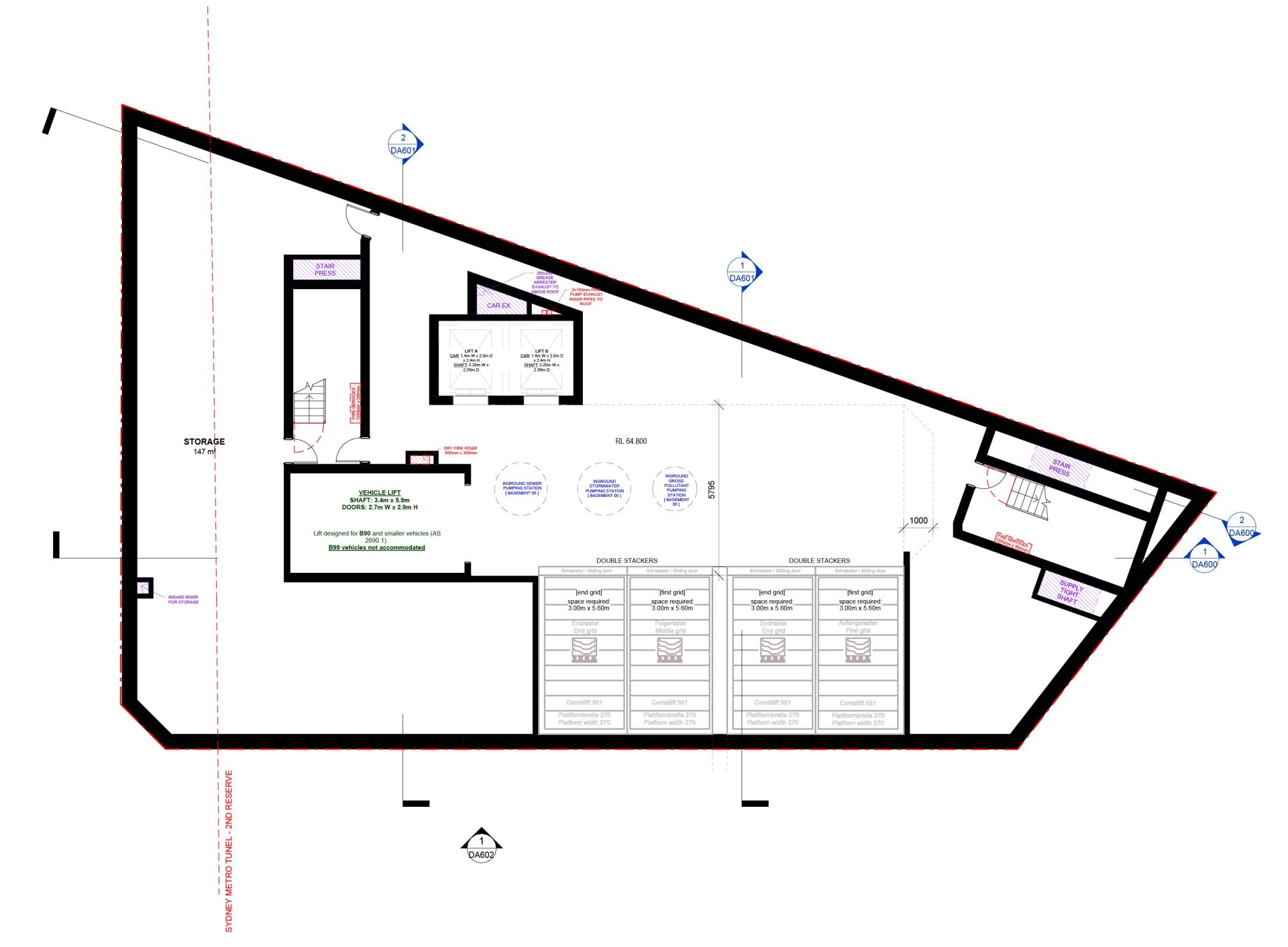
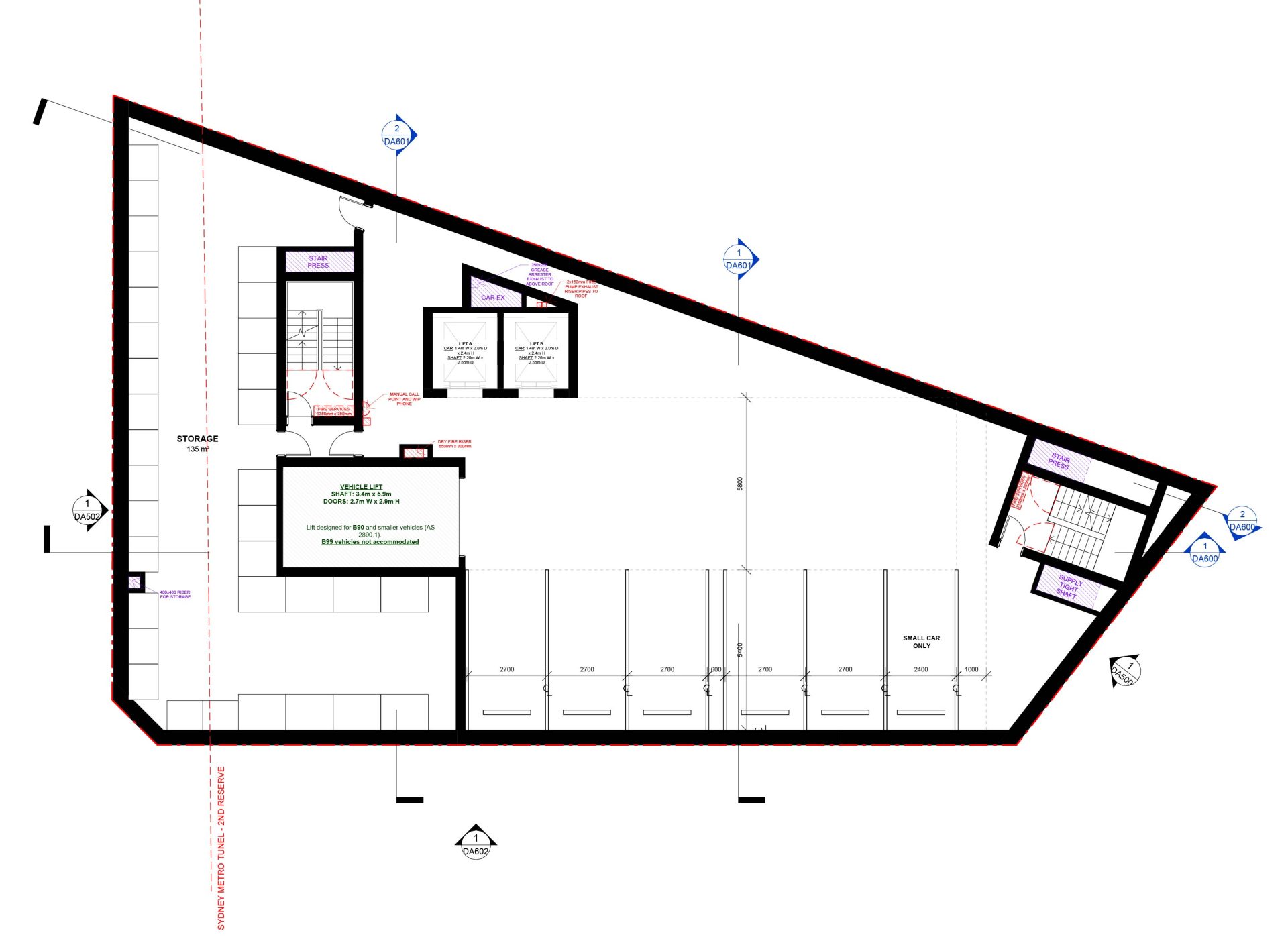
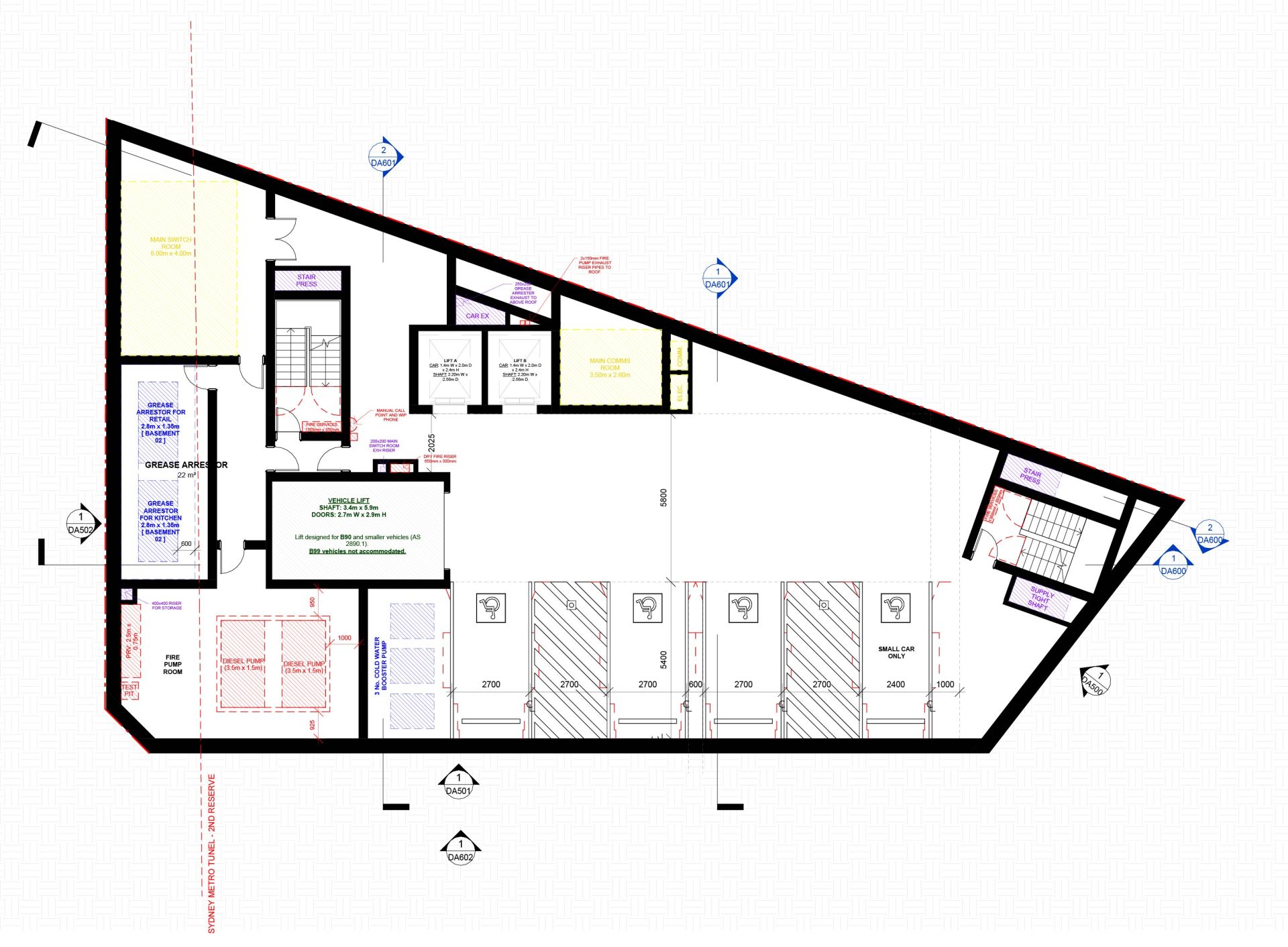
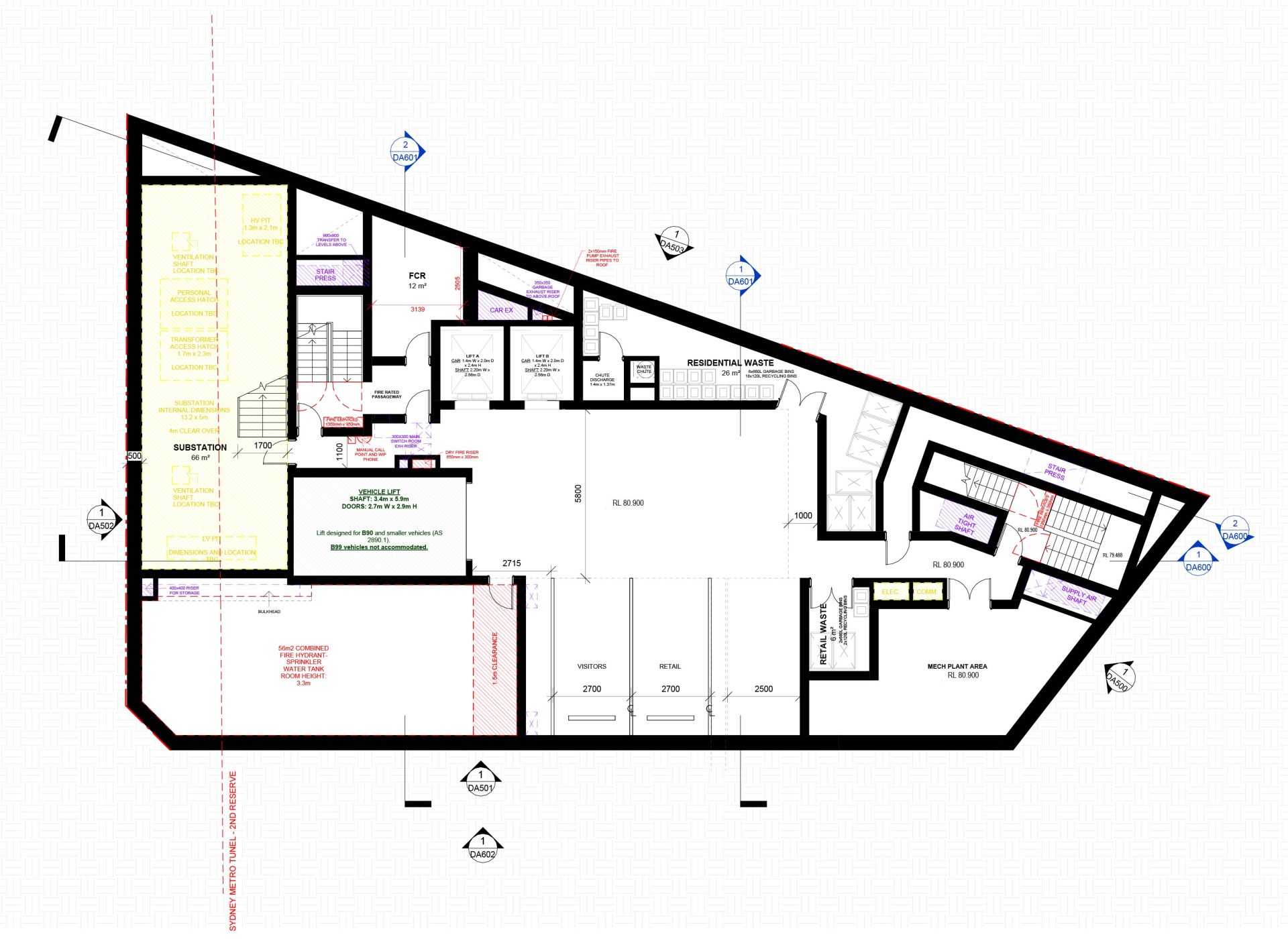
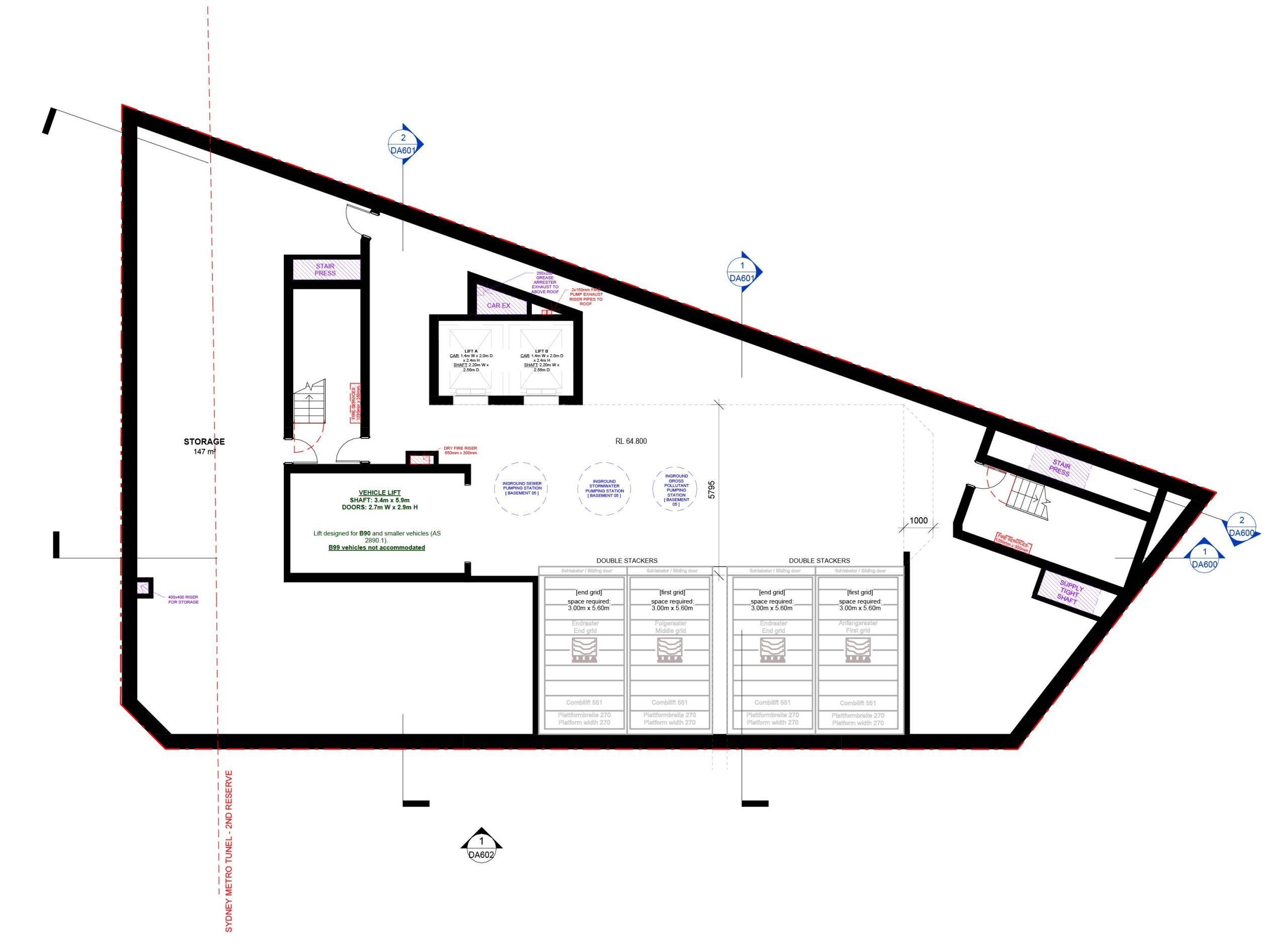
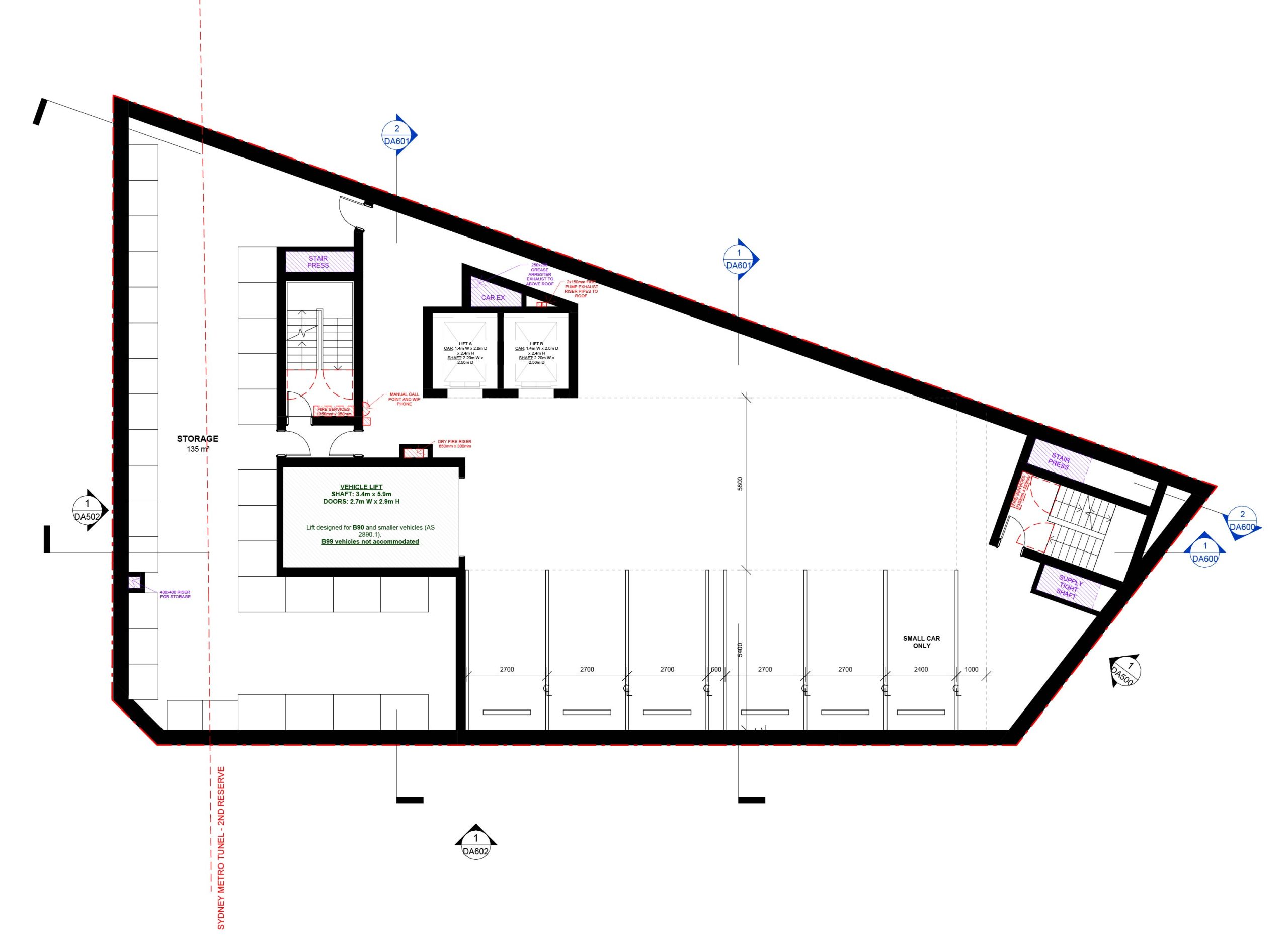
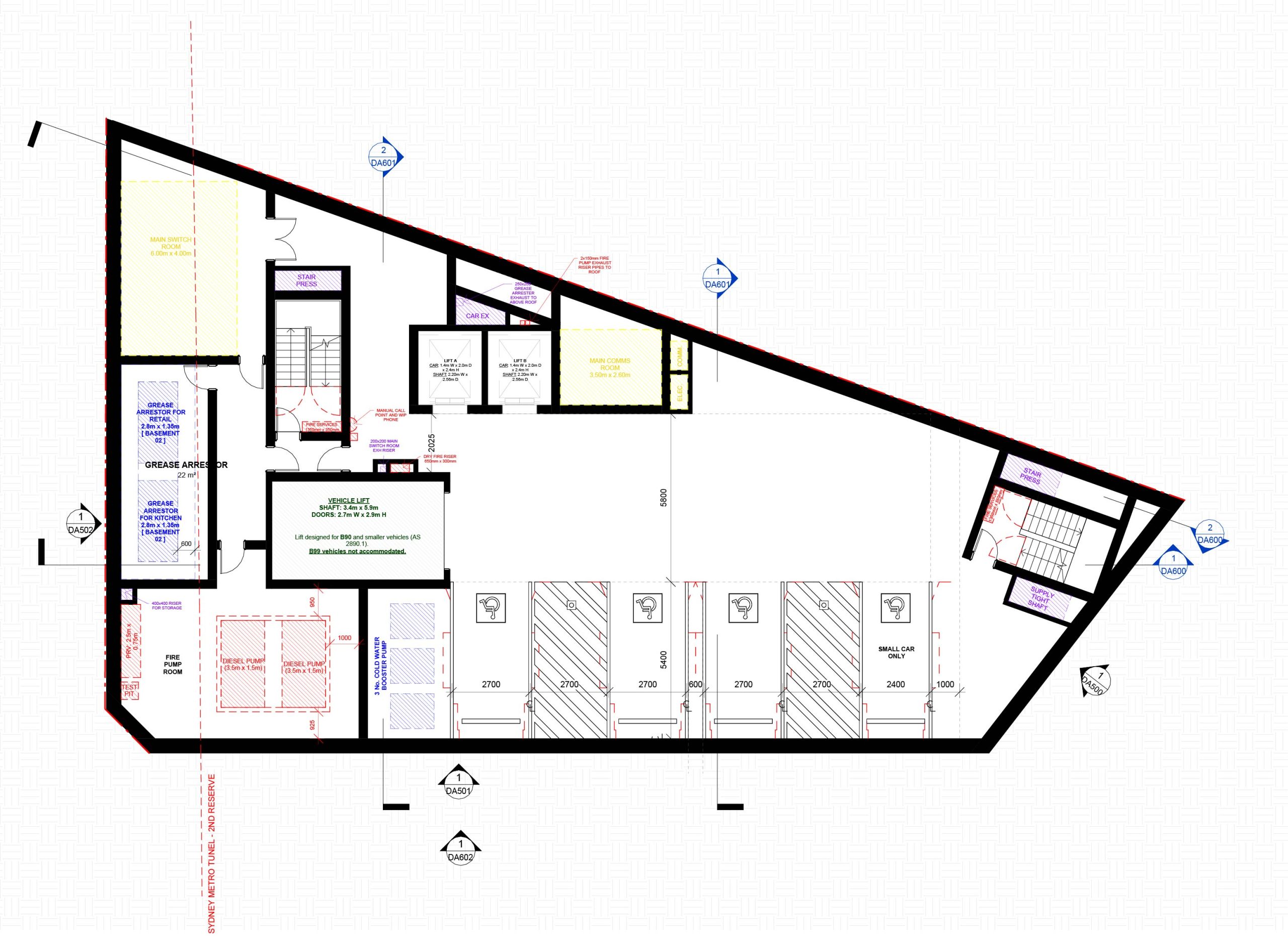
  • Construction of 6 basement levels providing approximately 32 car parking spaces accessed via a vehicle lift with a driveway off Clarke Lane;
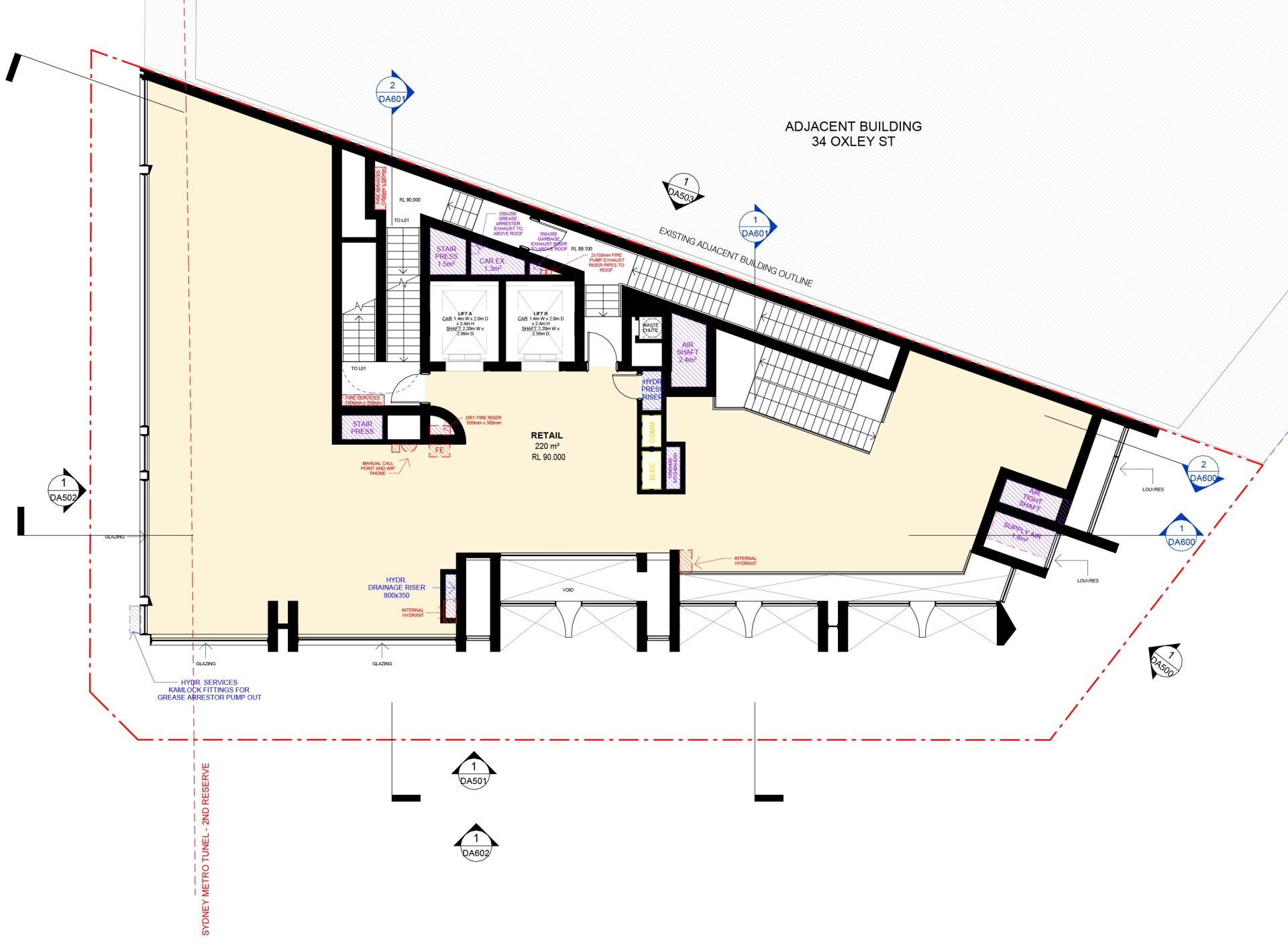
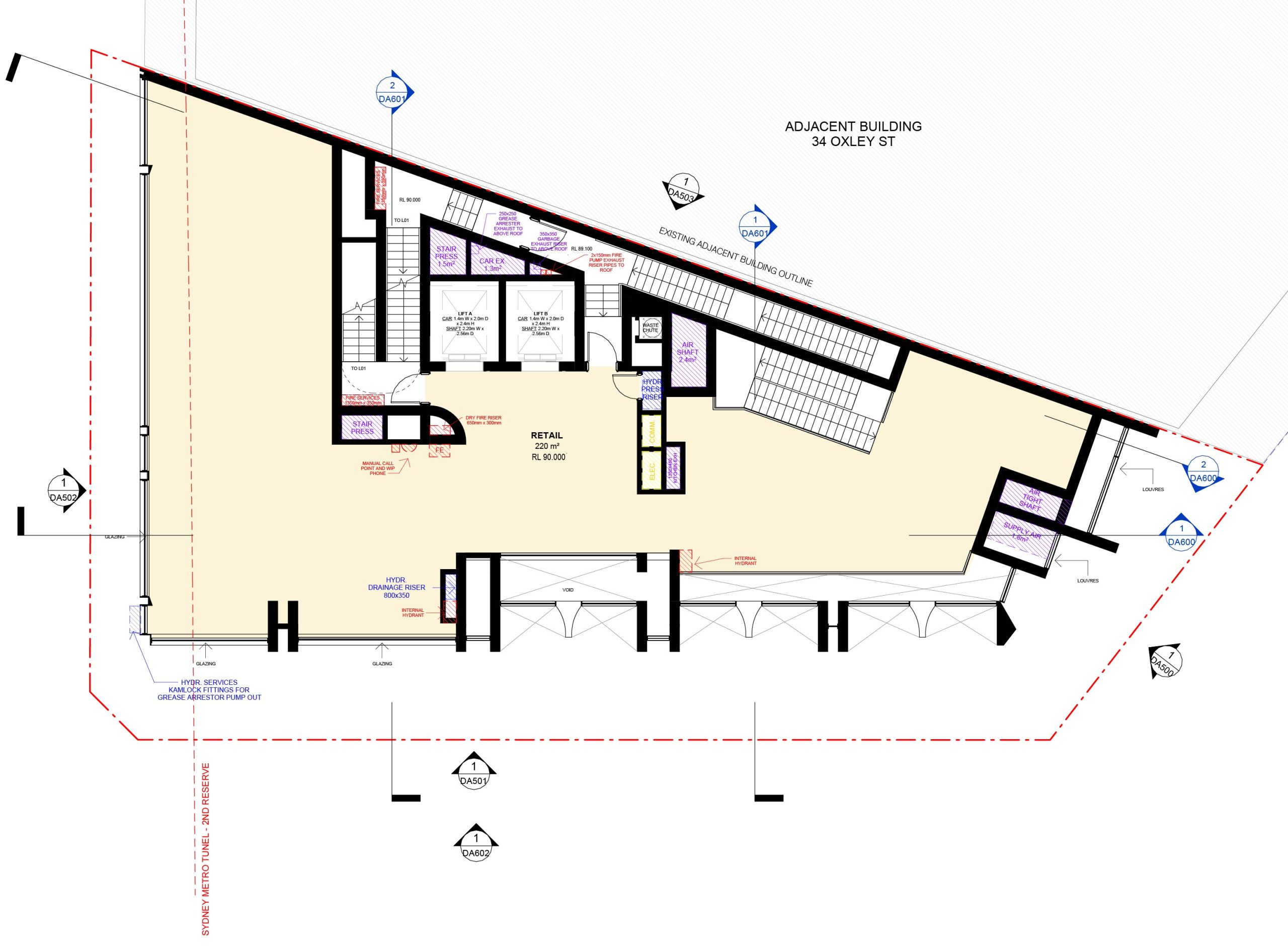
  • Ground floor and mezzanine retail space to activate the Oxley Street frontage;
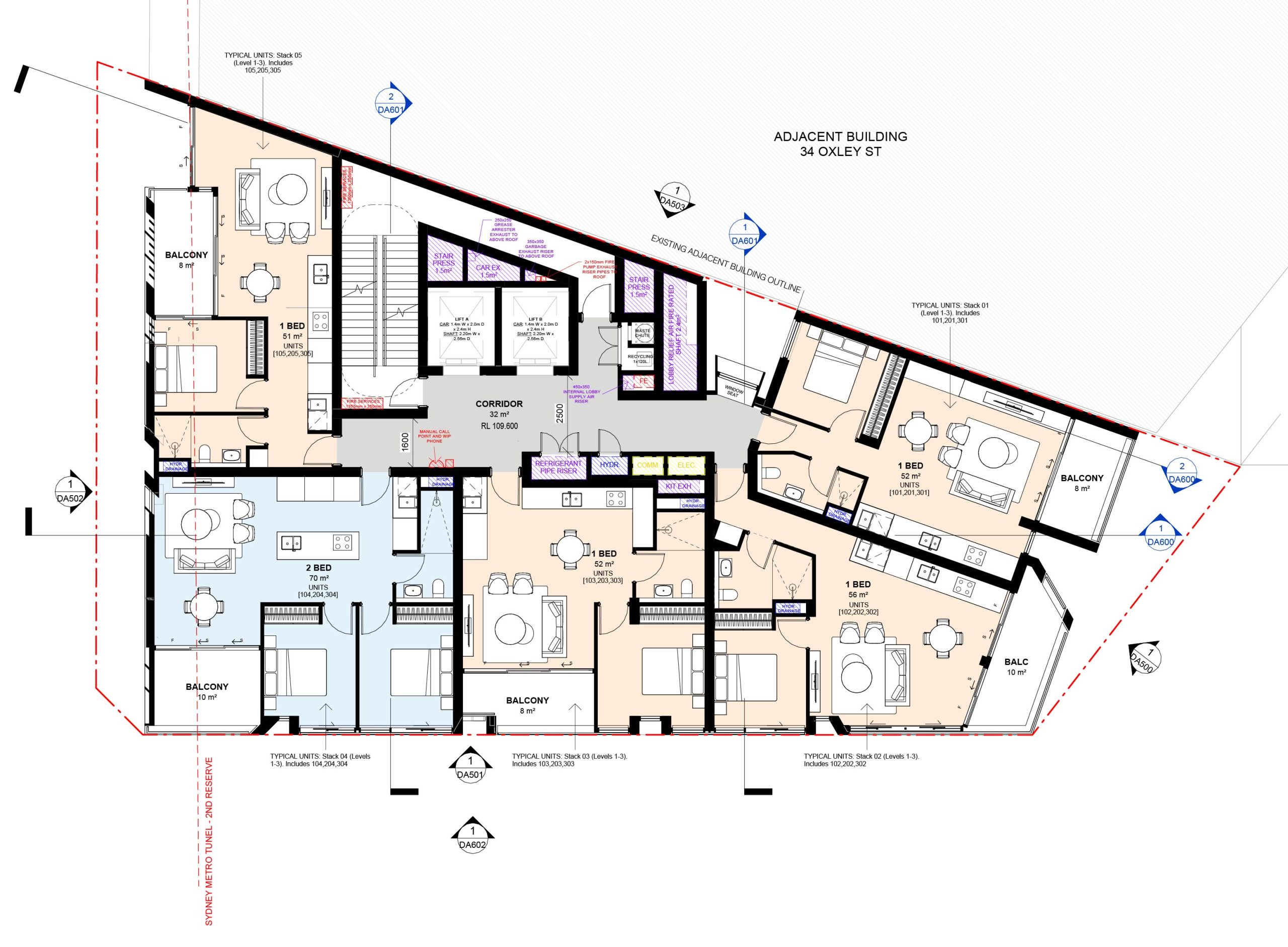
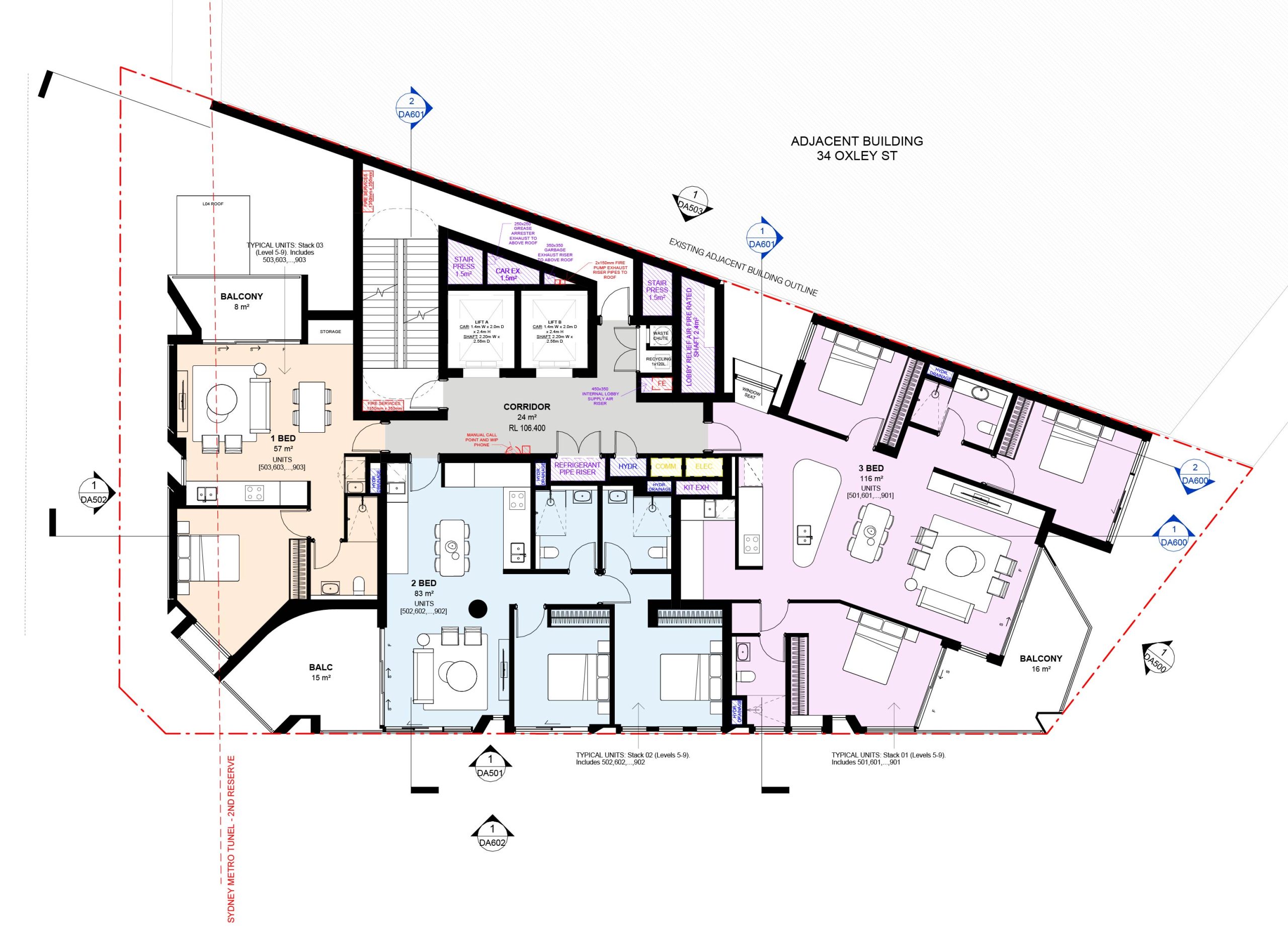
  • The provision of a mix of 1, 2 and 3 bedroom residential apartments including affordable housing units;
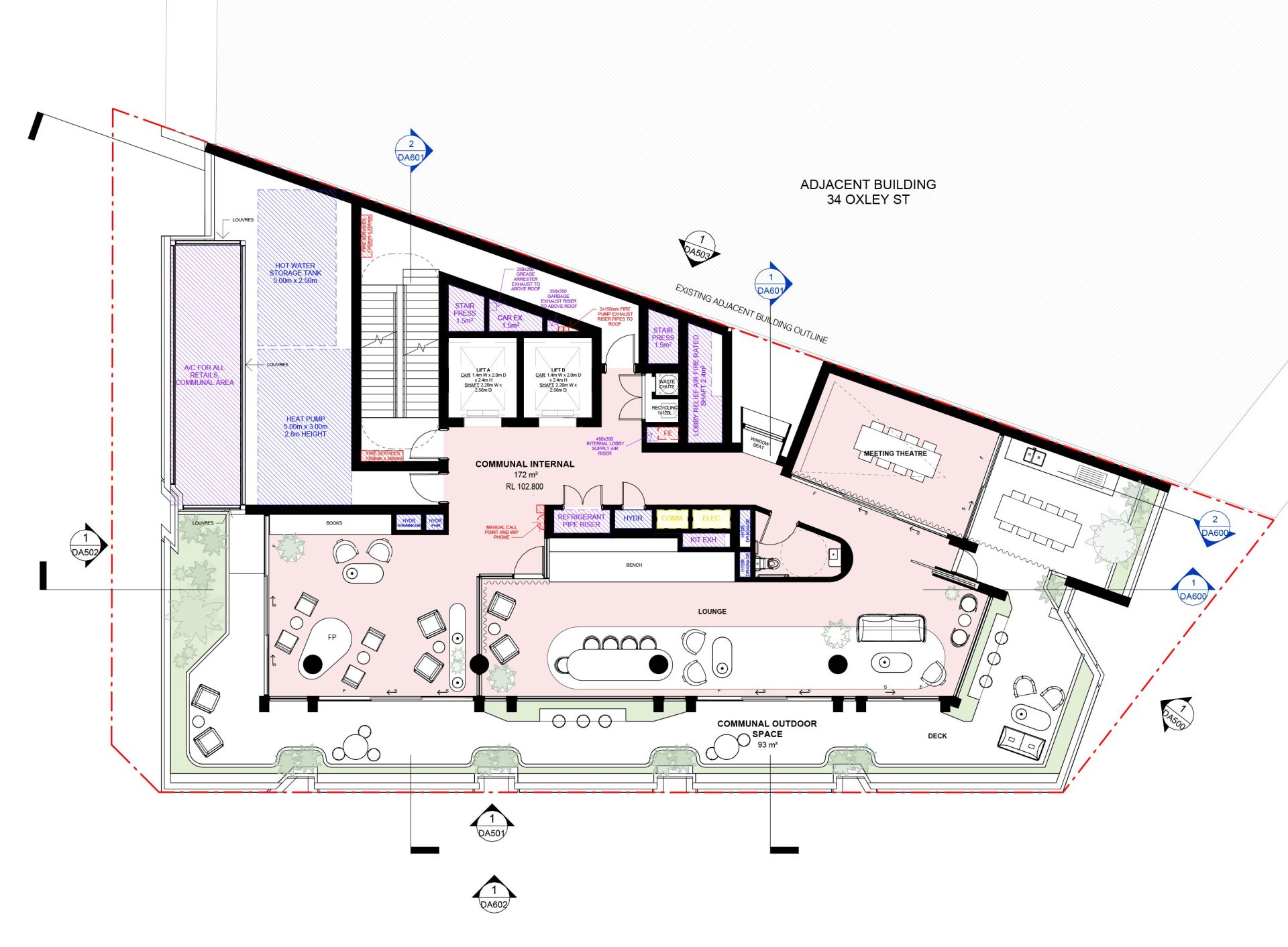
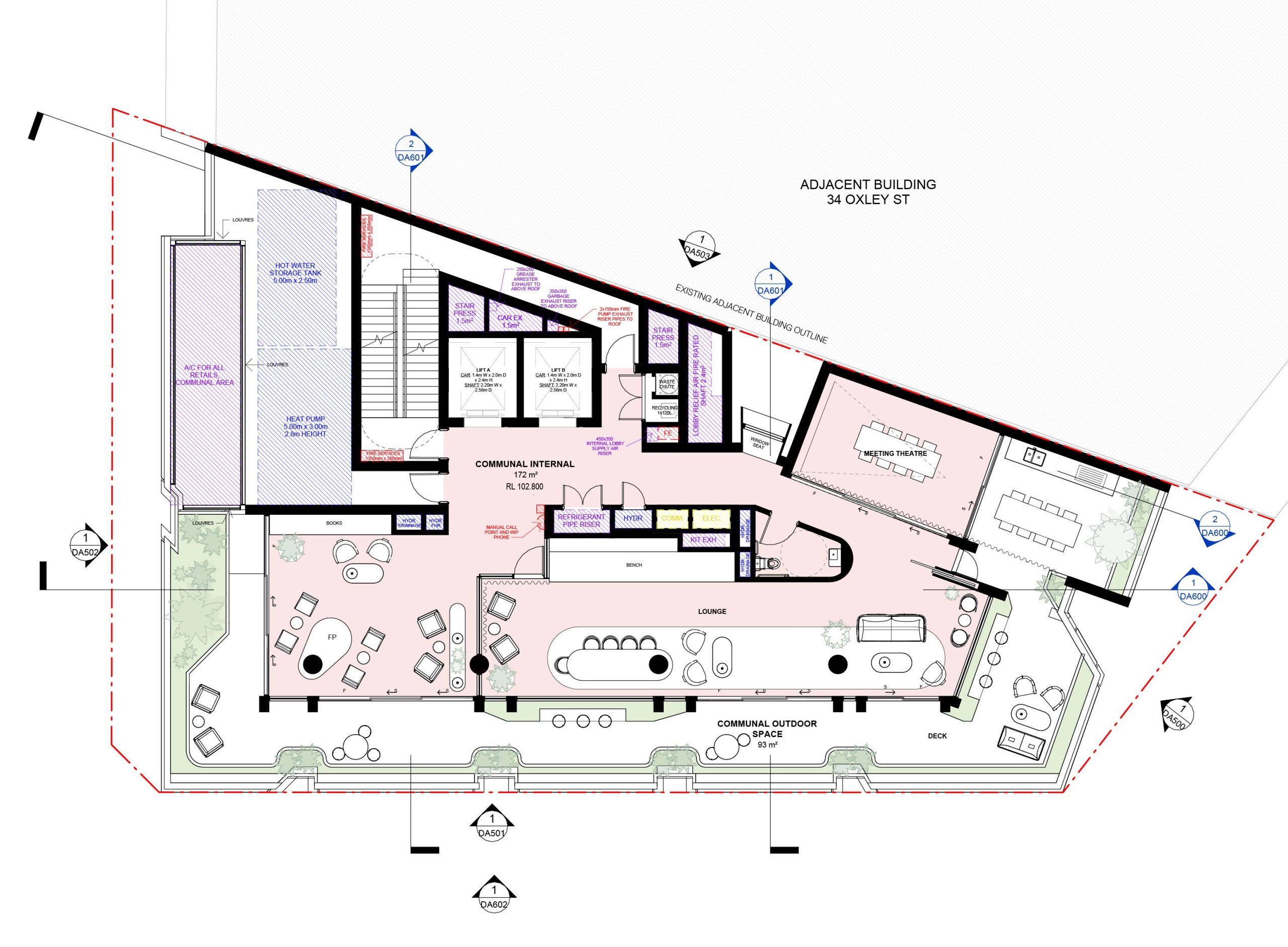
  • Internal and outdoor areas of communal open space;
  • Landscape works including tree replacement; and
  • Associated infrastructure upgrades.

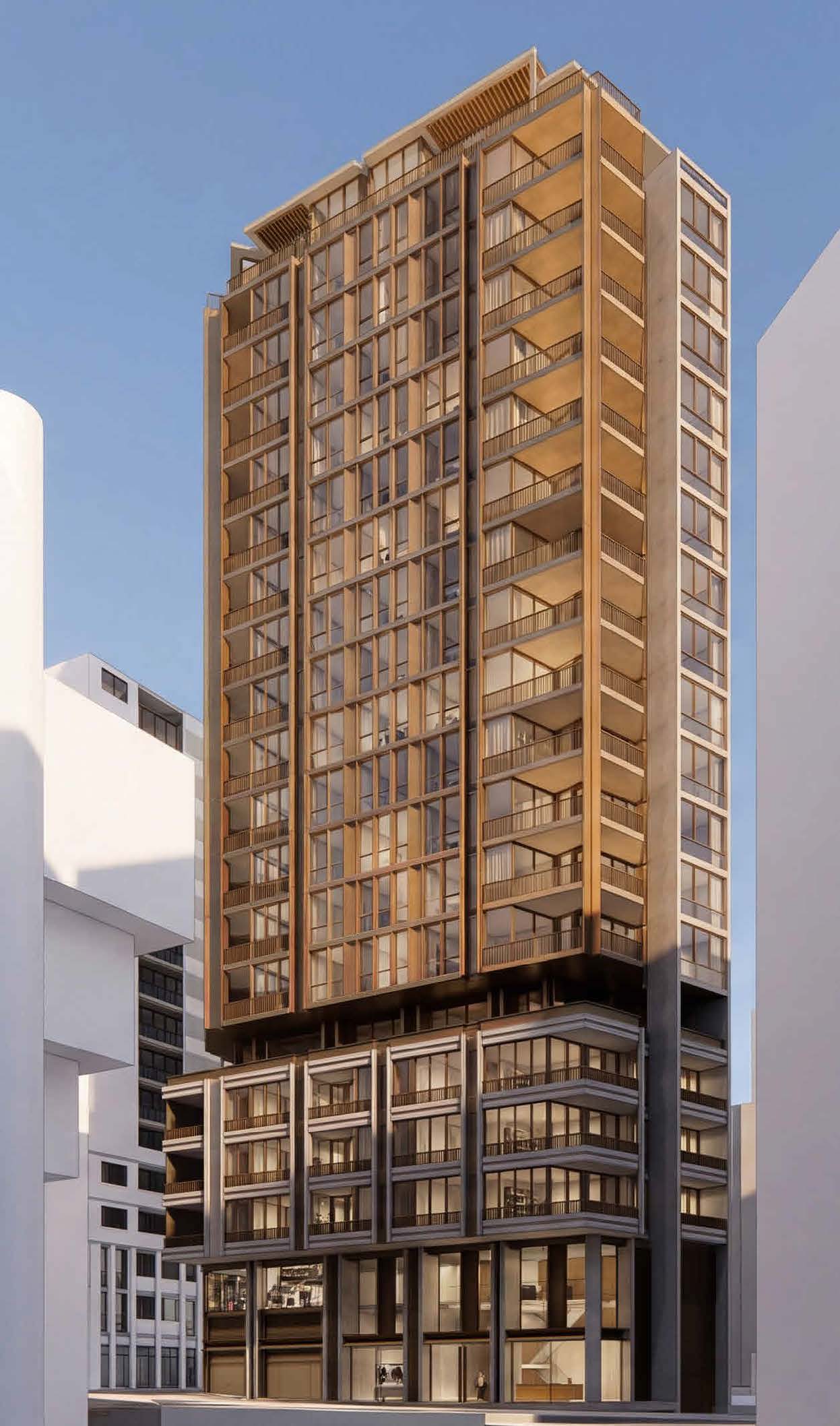
Artist’s Impression of Proposed New Development as Viewed From Clarke Street

Source: WMK Architecture April 2026

Future Development Context for the Crows Nest TOD Accelerated Precinct

In 2024 the NSW Government identified Crow’s Nest as a strategic location capable of accommodating increased housing and employment growth due to its proximity to the new Metro station and public transport; its strategic role as an economic corridor; and the prevalence of commercial, health and community land uses.

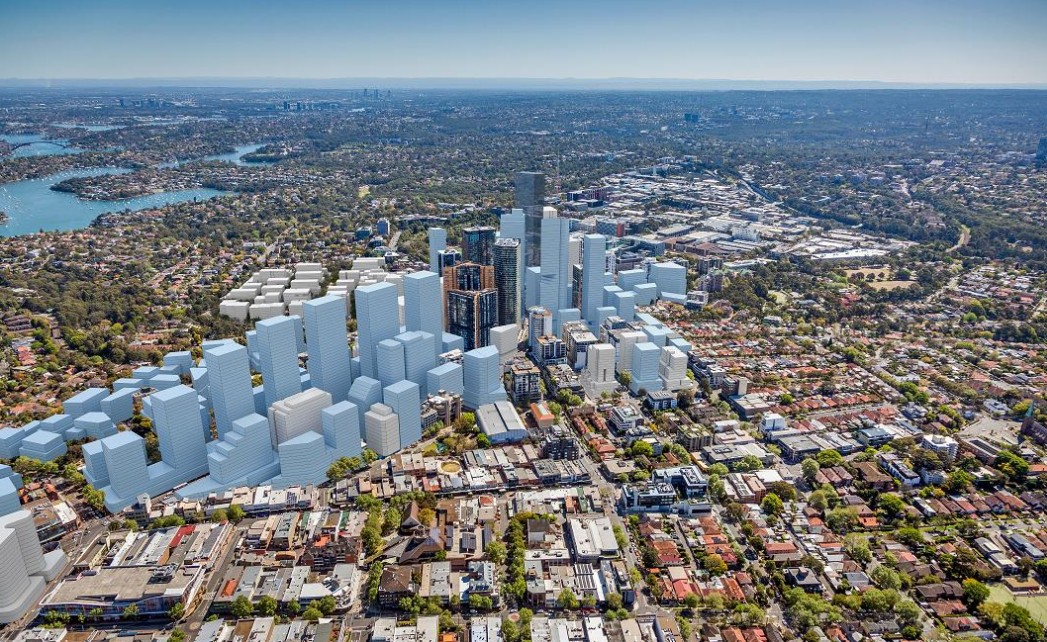
Crows Nest TOD Rezoning Massing and Built Form

Source: Department of Planning, Housing and Infrastructure 2024

The Crows Nest TOD Accelerated Precinct rezoning was gazetted on the 27 November 2024. Under the new planning provisions, it will deliver a highly accessible, high-density mixed-use centre to increase housing supply in NSW. The Crows Nest TOD rezoning will deliver:

  • capacity for 5,900 new homes to be built (in addition to the 3,200 already rezoned under the previous St Leonards and Crows Nest 2036 Plan)
  • approximately 2,500 new jobs
  • a minimum of 3% affordable housing in all new residential development and between 5% and 18% for key sites
  • floor space ratios (FSRs) of up to 20:1
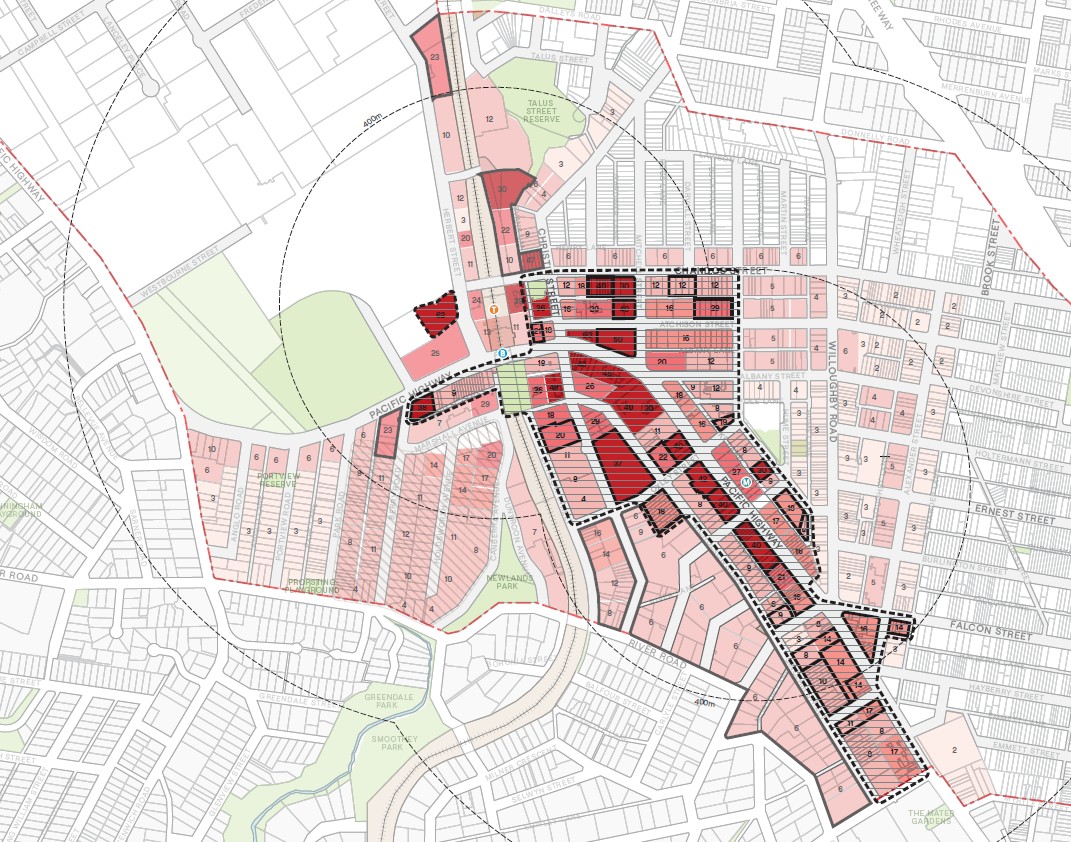
  • a range of building heights from 6 up to 62 storeys across the precinct.

The proposed shop top housing development at 38 Oxley Street, St Leonards is consistent with the scale of the surrounding approved and proposed developments and aligns with the intended high-density, transit-oriented character that is envisaged for the area.

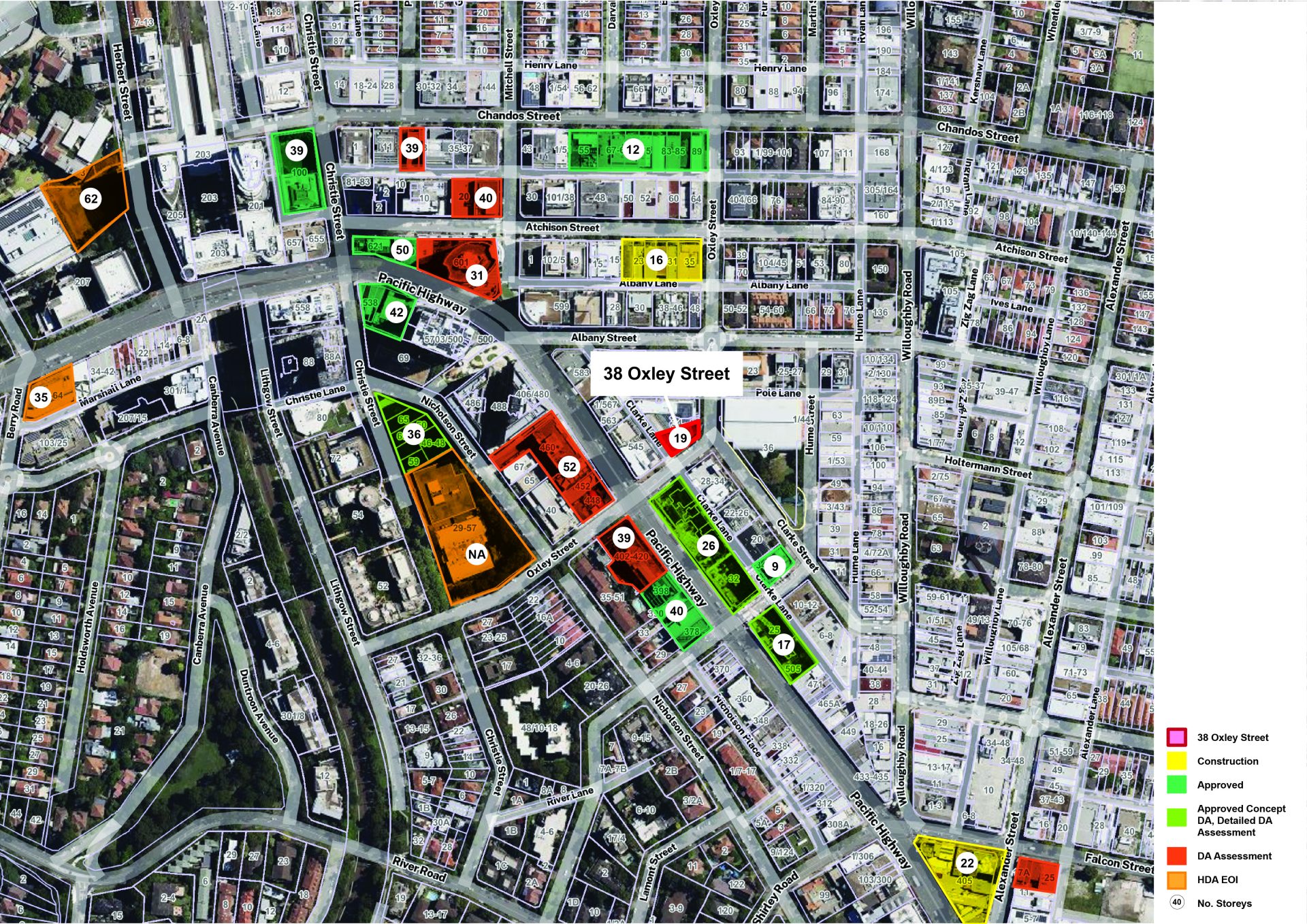
Crows Nest TOD Accelerated Precinct Proposed Height (In Storeys)

Source: Crows Nest TOD Urban Design Review Report, SJB 2024

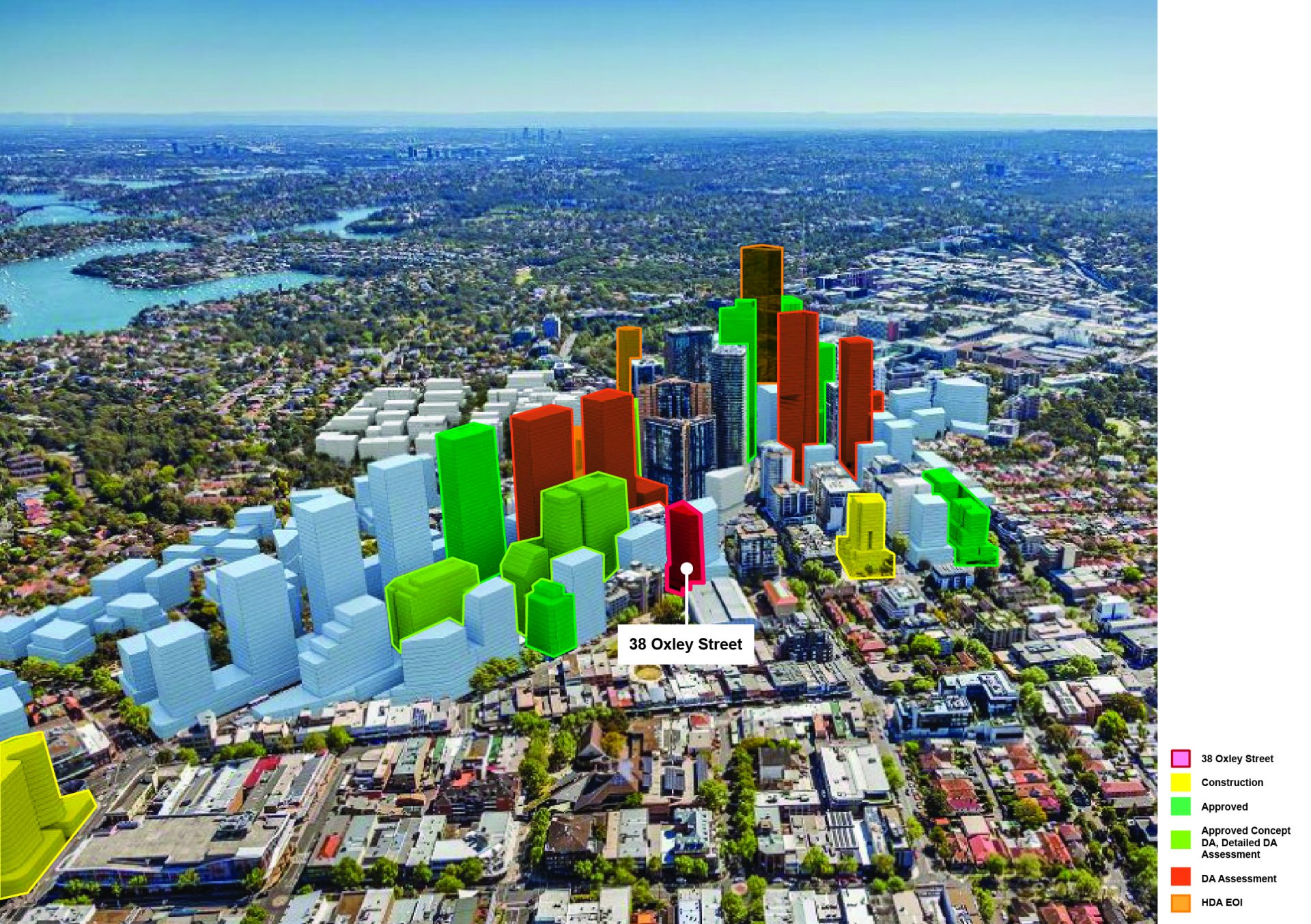
These images show an indicative representation of the approved and future developments that are being advanced within the Crows Nest TOD Accelerated Precinct.

Approved and Likely Future Development Indicative Massing*

Source: Base image – Department of Planning, Housing and Infrastructure 2024, Edits – UrbanTalk 2026

*Note: The Image is illustrative and utilises the approved building heights of the DPHI Crow’s Nest TOD rezoning. The exact approved and proposed building heights can differ from this representation.

Approved and Likely Future Development

Source: Base image – SDT Explorer 2026, Edits – UrbanTalk 2026

To learn more about the planning controls that apply to the site under the Crows Nest TOD Accelerated Precinct, head to the Planning Considerations section on the Listing.

Statistics at a Glance

Development TypeShop-top housing
Building Height20 storeys
Site Area541m²
Site Frontage40m to Oxley Street
22m to Clarke Lane
Total Gross Floor Area (GFA)Approximately 5,482.80sqm
GFA BreakdownApproximately:
Residential Floor Space – 4,379.20m²
Retail Floor Space – 296.0m²
Circulation / Services – 807.6m²
Total ApartmentsCirca 47
Apartment MixIndicative:
1 bedroom – 17

2 bedroom – 8

3 bedroom – 22
Affordable HousingUp to 15%
Car ParkingApproximately 32 basement spaces
Basement Levels6
Communal SpaceInternal and outdoor communal open space
Site AccessPedestrian access from Oxley Street and Clarke Lane

Vehicle access from Clarke Lane

Project Status

Site Description

The site of the proposed development is commonly referred to as 38 Oxley Street, St Leonards and its legal description is DP570425. Current improvements on the site consist of an older style 5 storey commercial building with one level of basement car parking.
Site Location

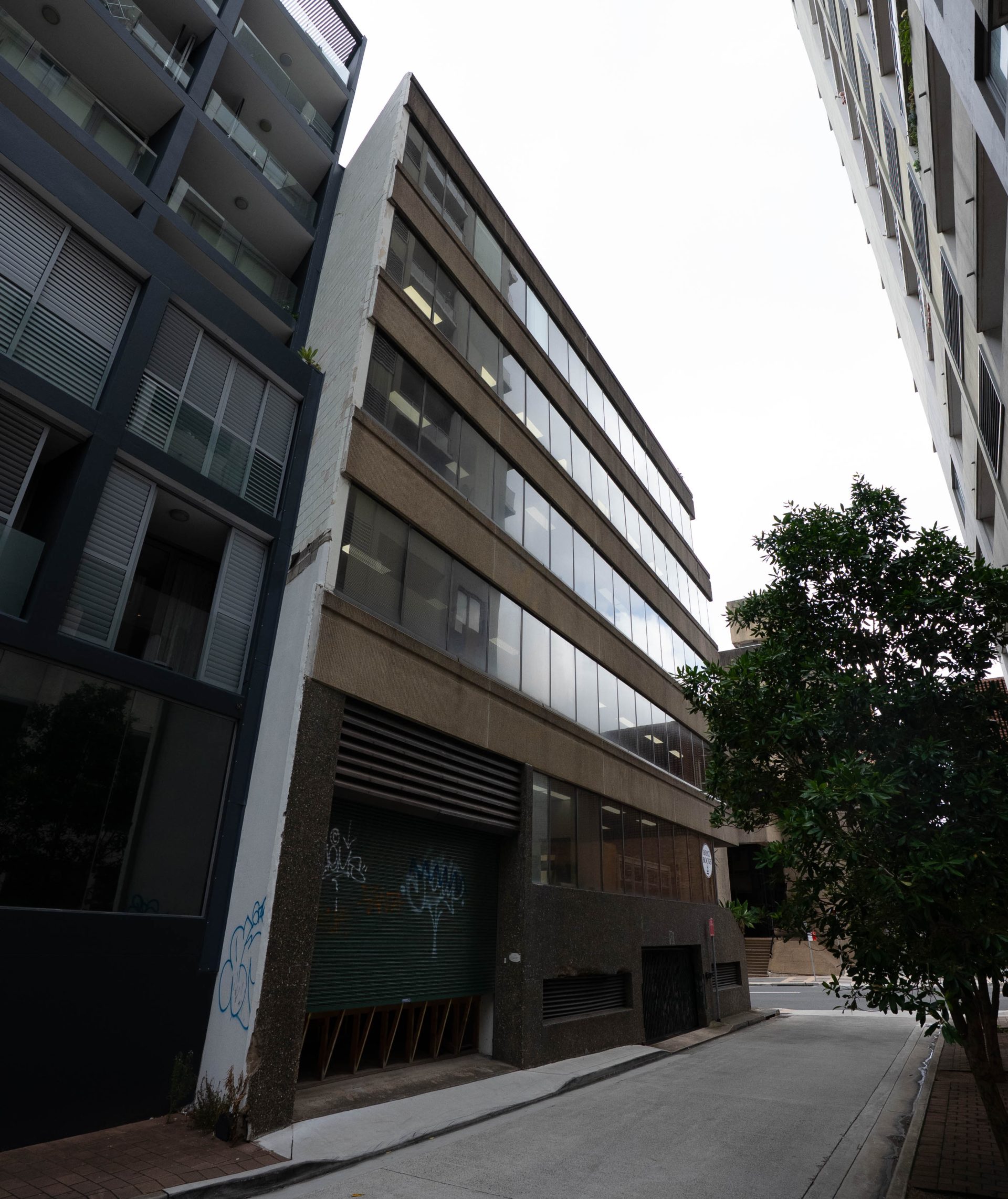
The site is a corner lot and has its primary frontage to Oxley Street and its secondary frontage to Clarke Lane. Vehicular access to the site is off Clarke Lane via a single driveway. This access arrangement will be maintained in the new proposal.

Current Building Viewed From the Corner of Clarke Lane and Oxley Street

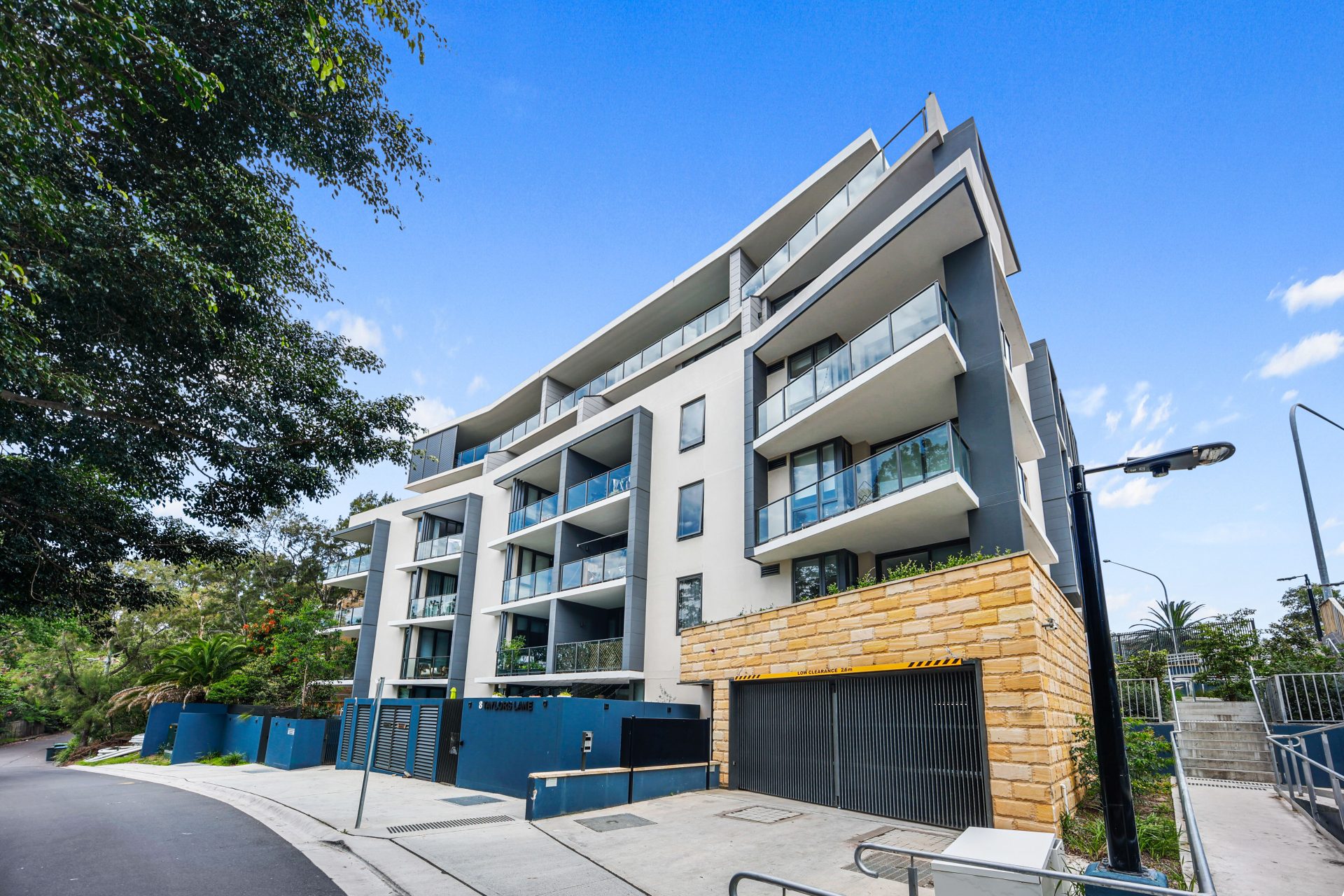
Current Building Viewed From Clarke Lane

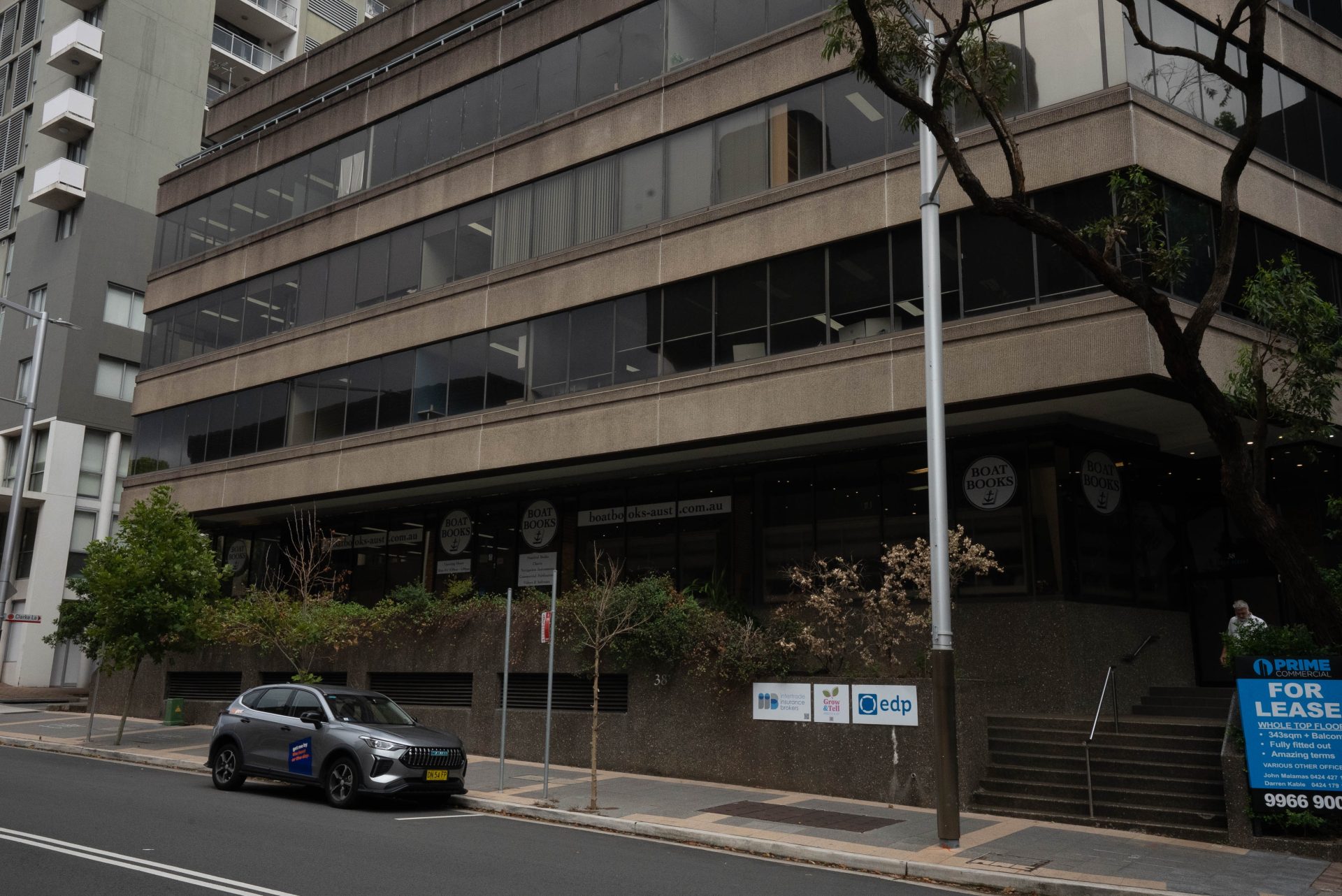
There is a pedestrian footpath at the Oxley Street frontage. The existing basement car park extends above the footpath level and presents as a masonry wall to Oxley Street. The building entry is disconnected from the public domain and accessed via stairs.

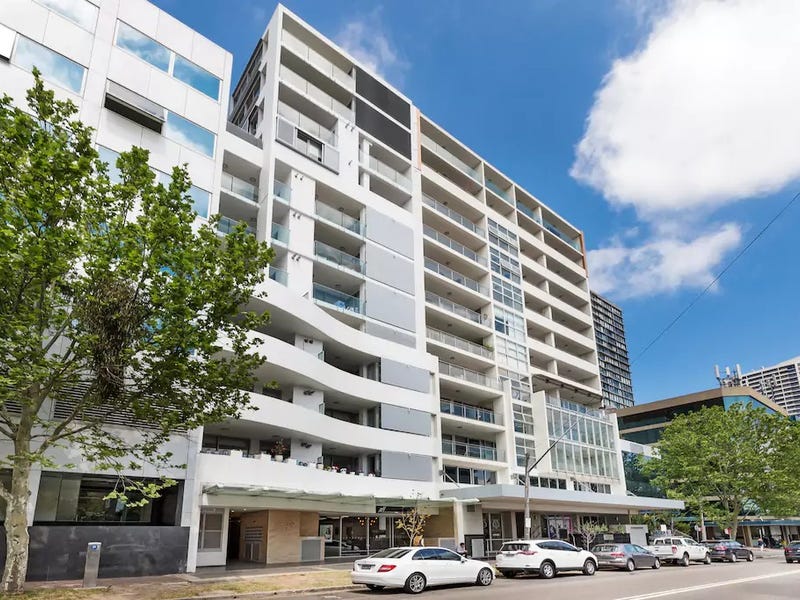
Current Building Viewed From Oxley Street

The new proposal incorporates retail shopfronts at both ground and mezzanine levels to activate Oxley Street. An imposing lobby entrance will give the new building an attractive and striking pedestrian entrance at footpath level.

Local Context

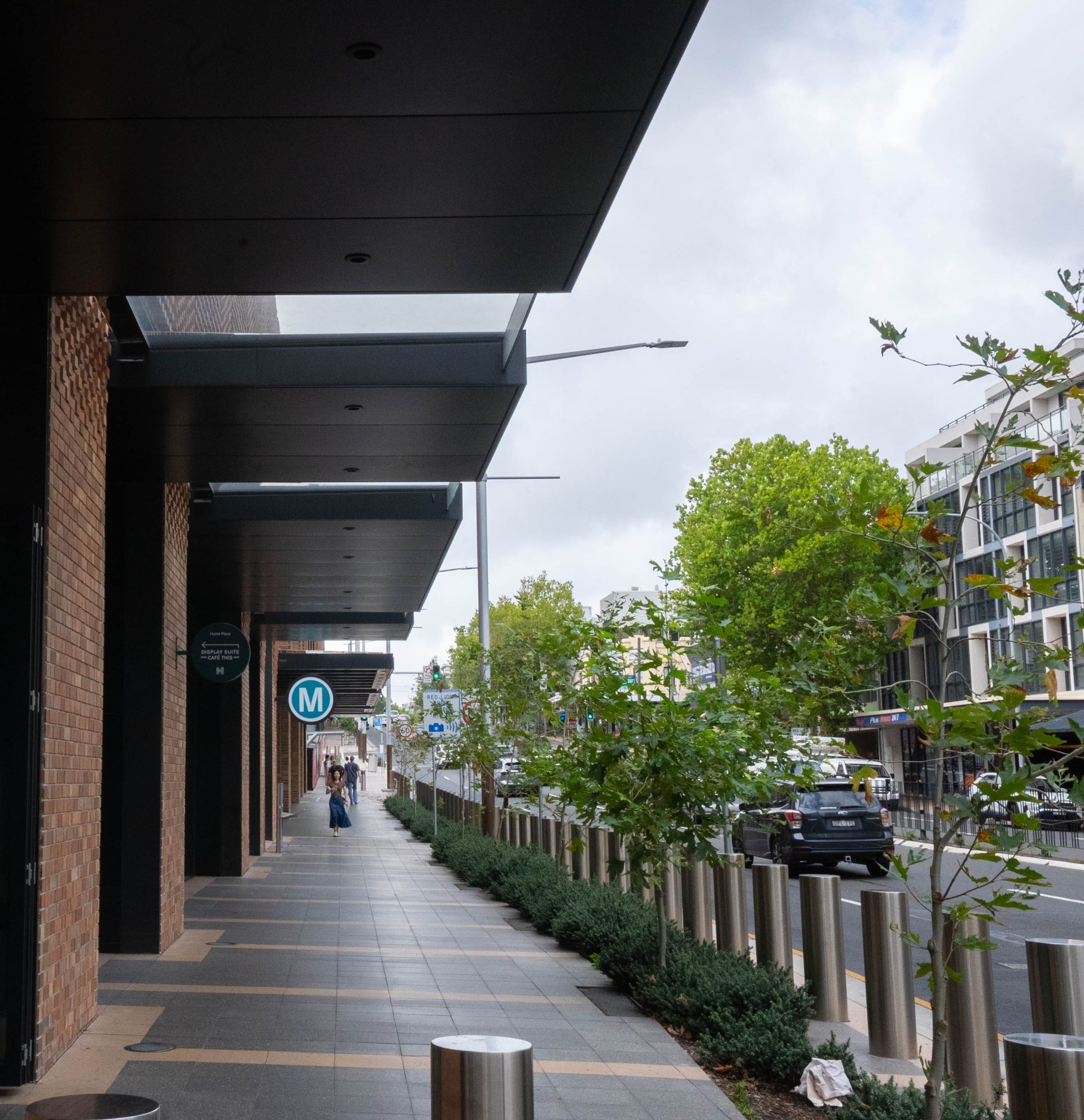
The site forms part of the St Leonards Town Centre which is transforming into a high density transit orientated mixed use precinct. The site benefits from excellent public transport. It is located on the eastern side of the Pacific Highway transport corridor. The recently opened Crows Nest Metro Station is approximately 45 metres to the southwest and provides Metro services to Tallawong and Sydenham. The St Leonards Station is approximately 450 metres to the north west of the site, and is serviced by the T1 North Shore and Western line, T9 Northern line and CCN Central Coast and Newcastle line.

Crows Nest Metro Station

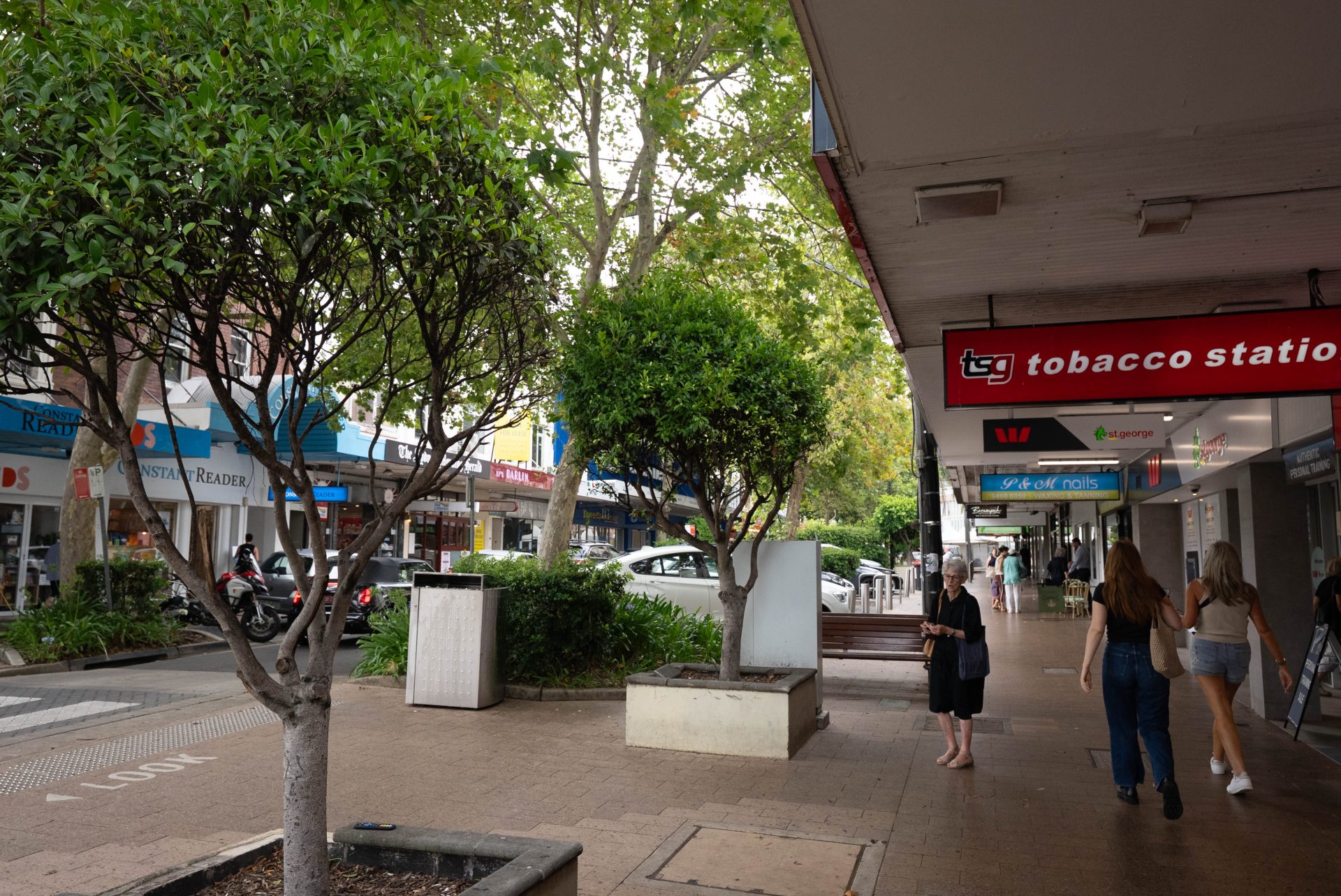
Approximately 250 metres east of the site is Crows Nest Village, a vibrant neighbourhood that offers an excellent mix of essential shops, specialty stores, cafes, bars, restaurants and community facilities. Willoughby Road forms the main spine of the Village.

Crows Nest Village

The sites immediate neighbours are:

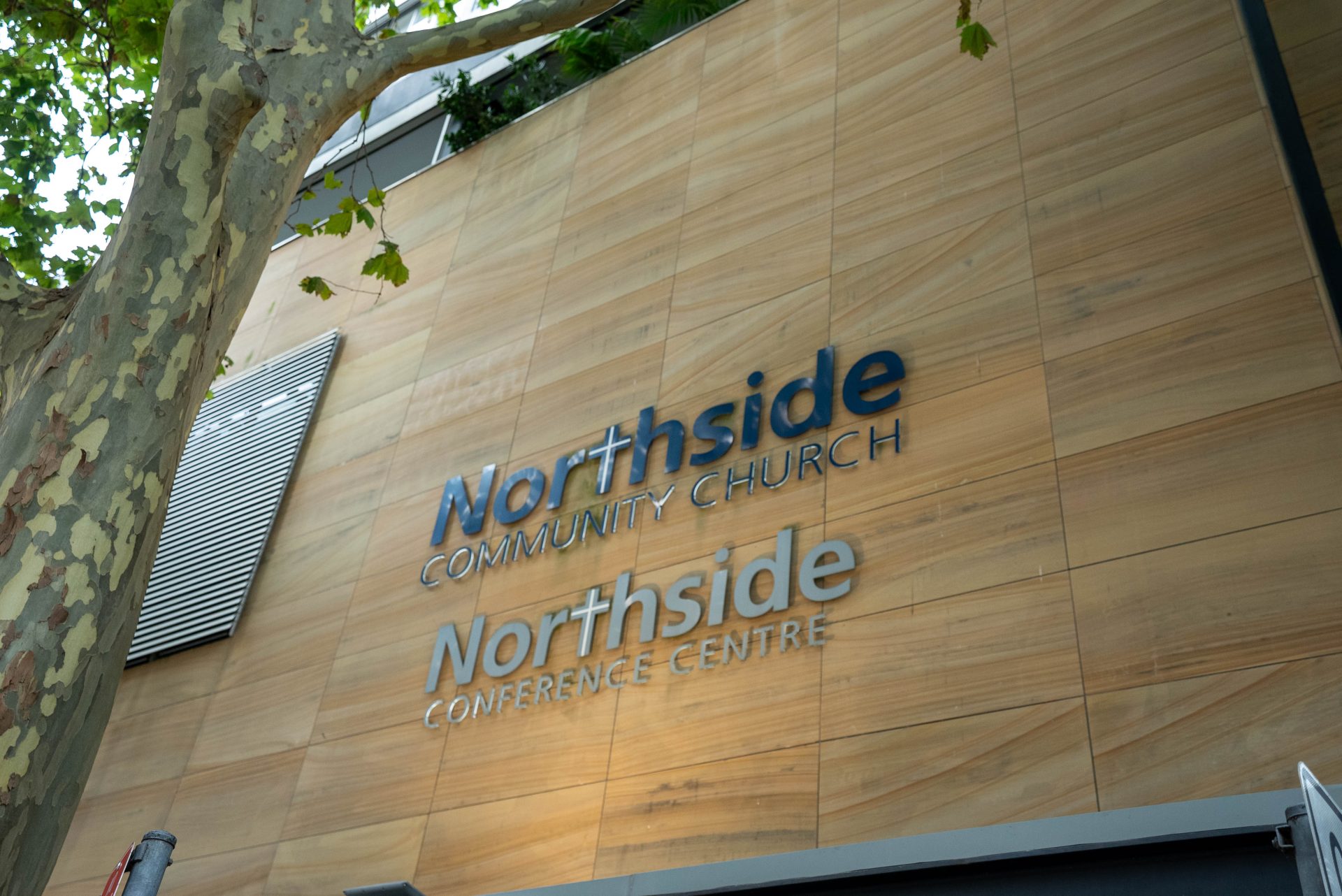
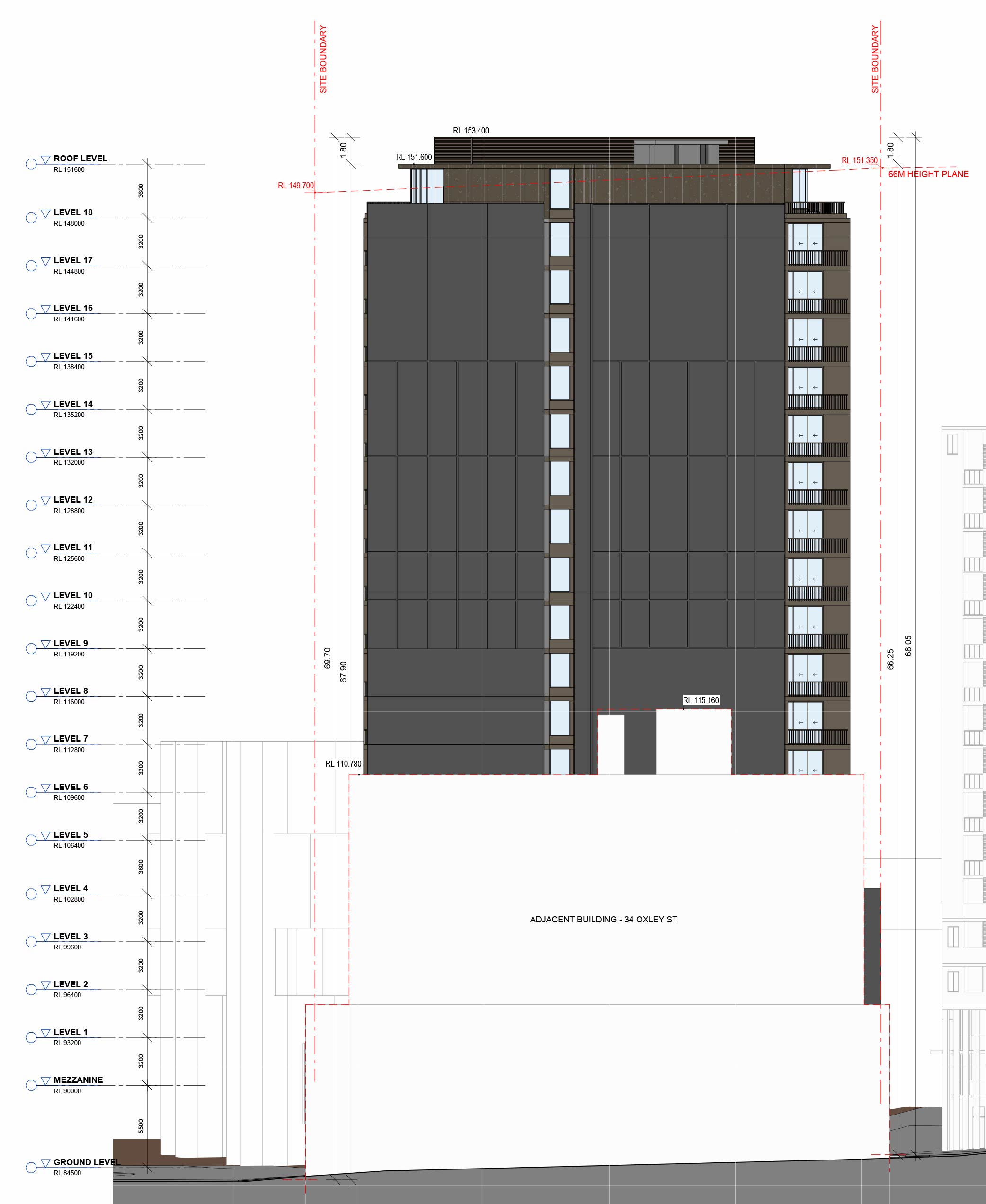
  • 34–36 Oxley Street, to the north, which is a mixed-use building comprising part 7 and part 8 storeys of residential and commercial uses. The Northside Church and function centre is in this building and there are retails uses and cafes at street level.

34-36 Oxley Street

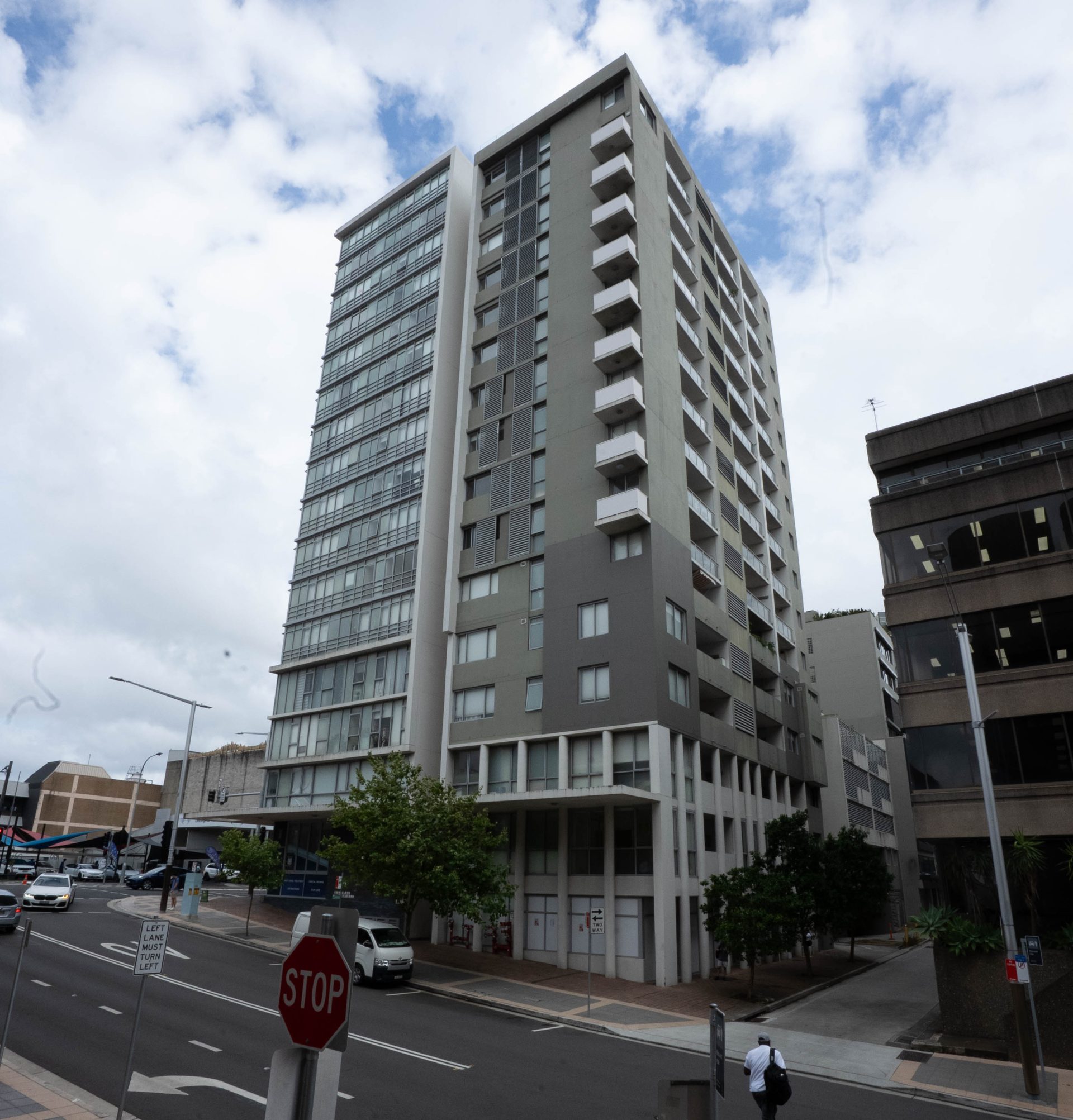
  • 545 Pacific Highway, to the east, on the opposite side of Clarke Lane, is a mixed-use residential and commercial building of 16 storeys. There are cafés and retails uses at the Clarke Lane frontage.

545 Pacific Highway

  • To the south, on the opposite side of Oxley Street, is the St Leonards Centre a commercial building that is also a local heritage item.

The Heritage St Leonards Centre looking south from 38 Oxley Street

Design

The proposed development has been designed by WMK Architecture. The architectural solution presents a sophisticated and considered response to the site’s prominent corner location.

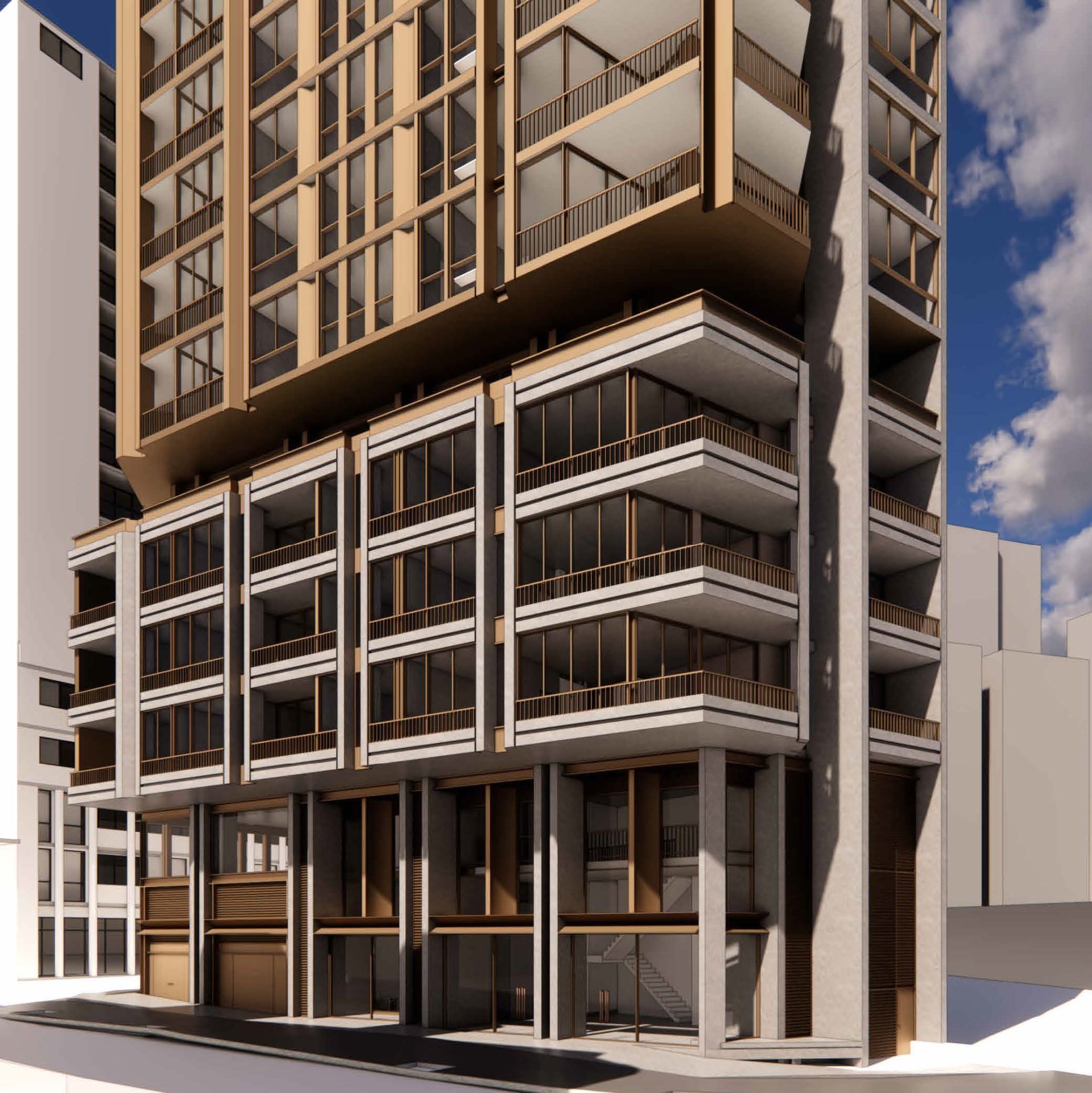
The building form comprises of a podium, tower, and crown as illustrated below. These three components anchor the building in the streetscape, allow for a sculptured elegant form that maximises solar access and visual privacy for neighbours and denotes the building in the St Leonards skyline.

Artist’s Impression of Proposed Development Viewed From Clarke Street

Source: WMK Architecture 2026

The Podium

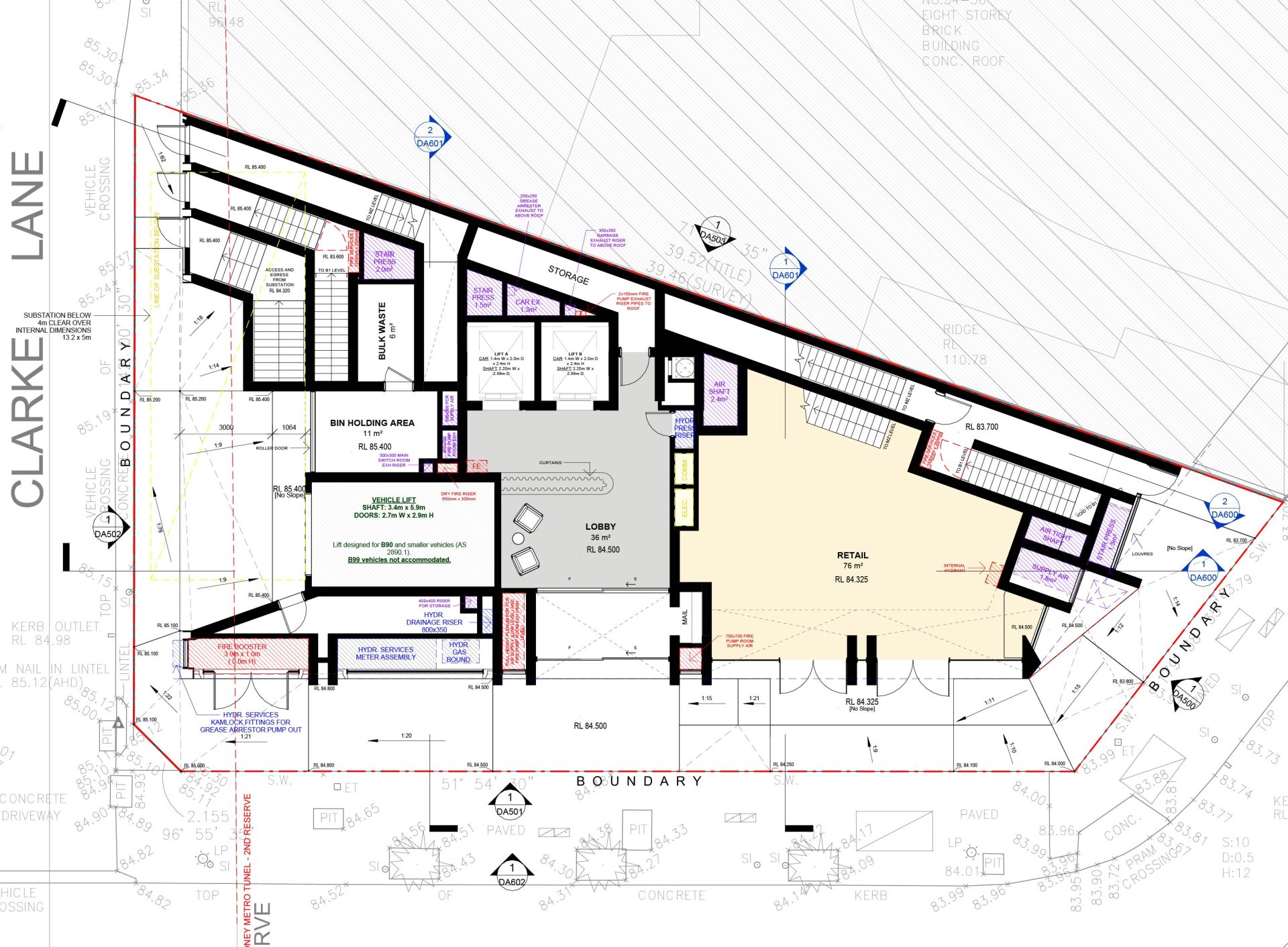
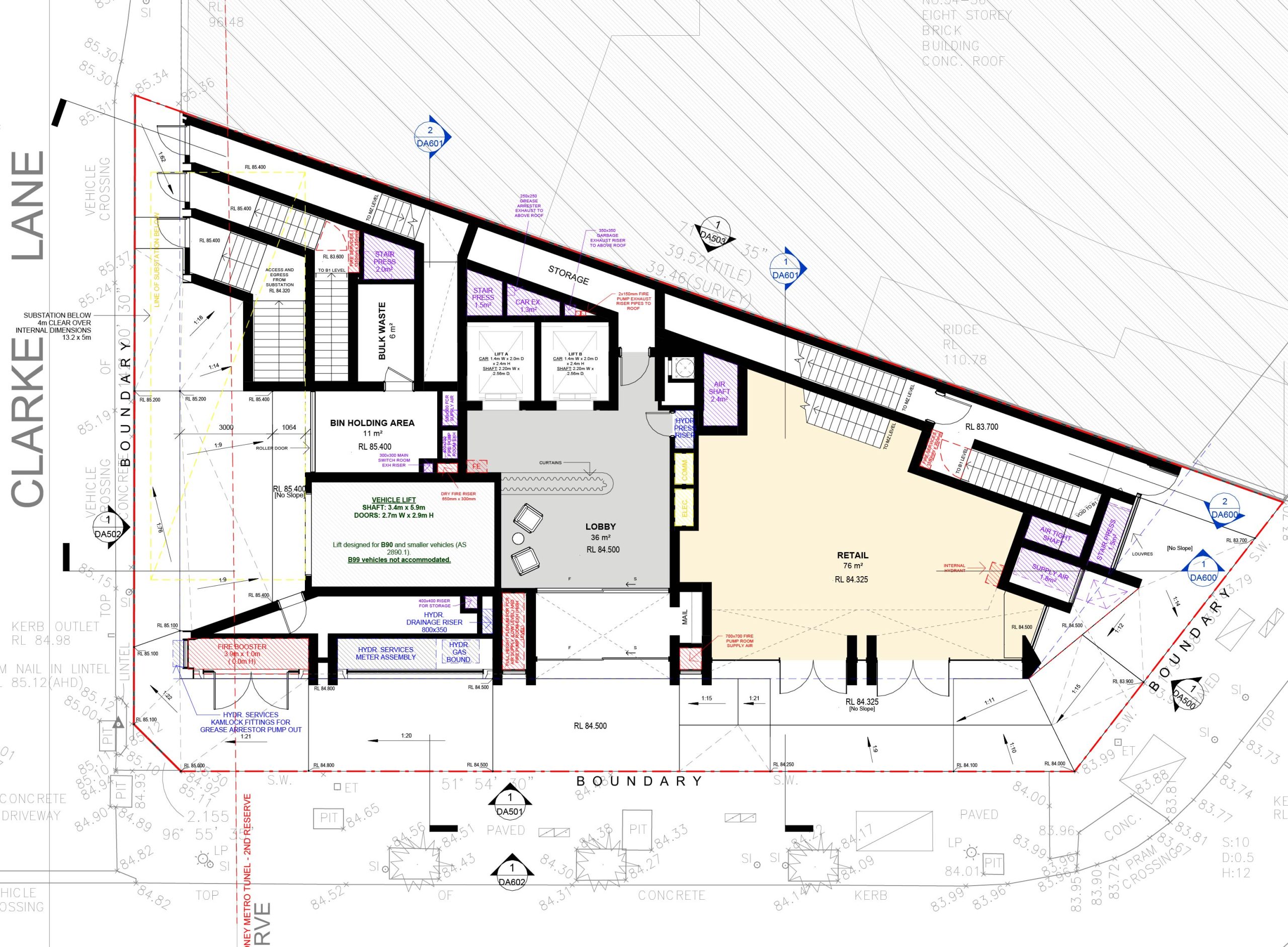
A robust, four-storey masonry-framed podium establishes a strong presence at pedestrian level. The double-height ground plane emphasises permeability, with the large glass frontage intended to activate the corner and provide a visual connection between the internal retail/lobby spaces and the streetscape. The double height ground plane also allows the form to accommodate important building services and the access driveway on Clarke Lane with the vehicle lift.

Artist’s Impression of the Podium

Source: WMK Architecture 2026

Deep-set glazing within a structured grid of pre-cast concrete is a nostalgic nod to the commercial heritage of the precinct while the use of an exposed marble aggregate provides texture and reflection.

The podium’s heavy framing acts as a grounding element, that complements the scale of nearby low-rise commercial buildings before the structure transitions to its slender residential tower form.

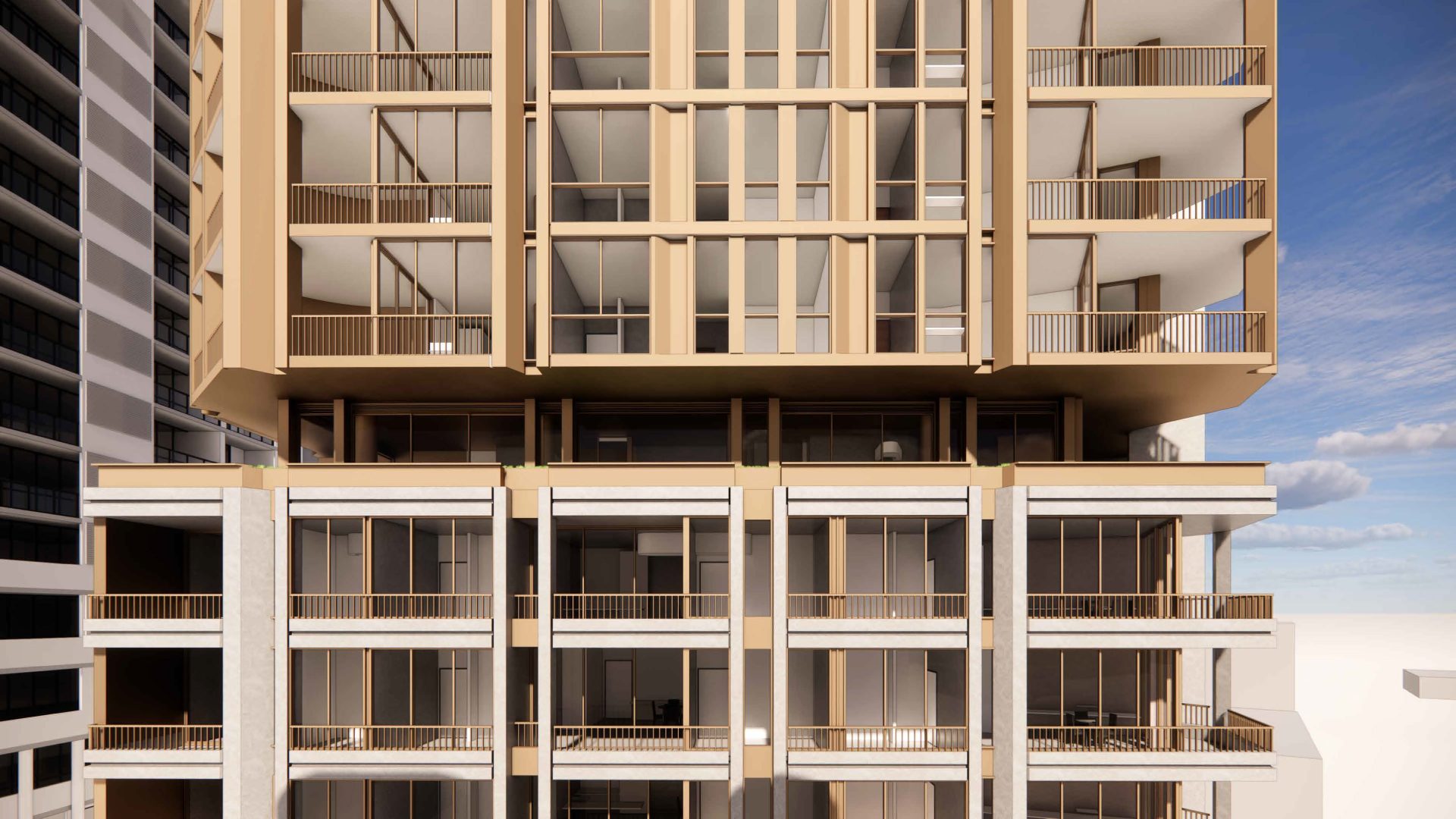
The Tower

Rising above the podium, the tower shifts toward a warmer, more contemporary palette characterized by bronze-toned metallic finishes and extensive glazing. The use of vertical bronzed fins and integrated horizontal slab edges creates a “fine-grain” texture that breaks down the building’s mass.
Artists Impression Showing the Transition Between Podium and Tower

Source: WMK Architecture 2026

The tower features subtle shifts in orientation—including angled balconies and recessed “negative spaces”—which serve to reduce the perceived bulk, and maximise view corridors to the south to Sydney Harbour. Deep, inset balconies provide sheltered outdoor living spaces that are integrated into the primary building volume, ensuring a sleek, cohesive silhouette rather than an “add-on” appearance whilst mitigating overlooking into neighbours and overshadowing onto adjoining sites.

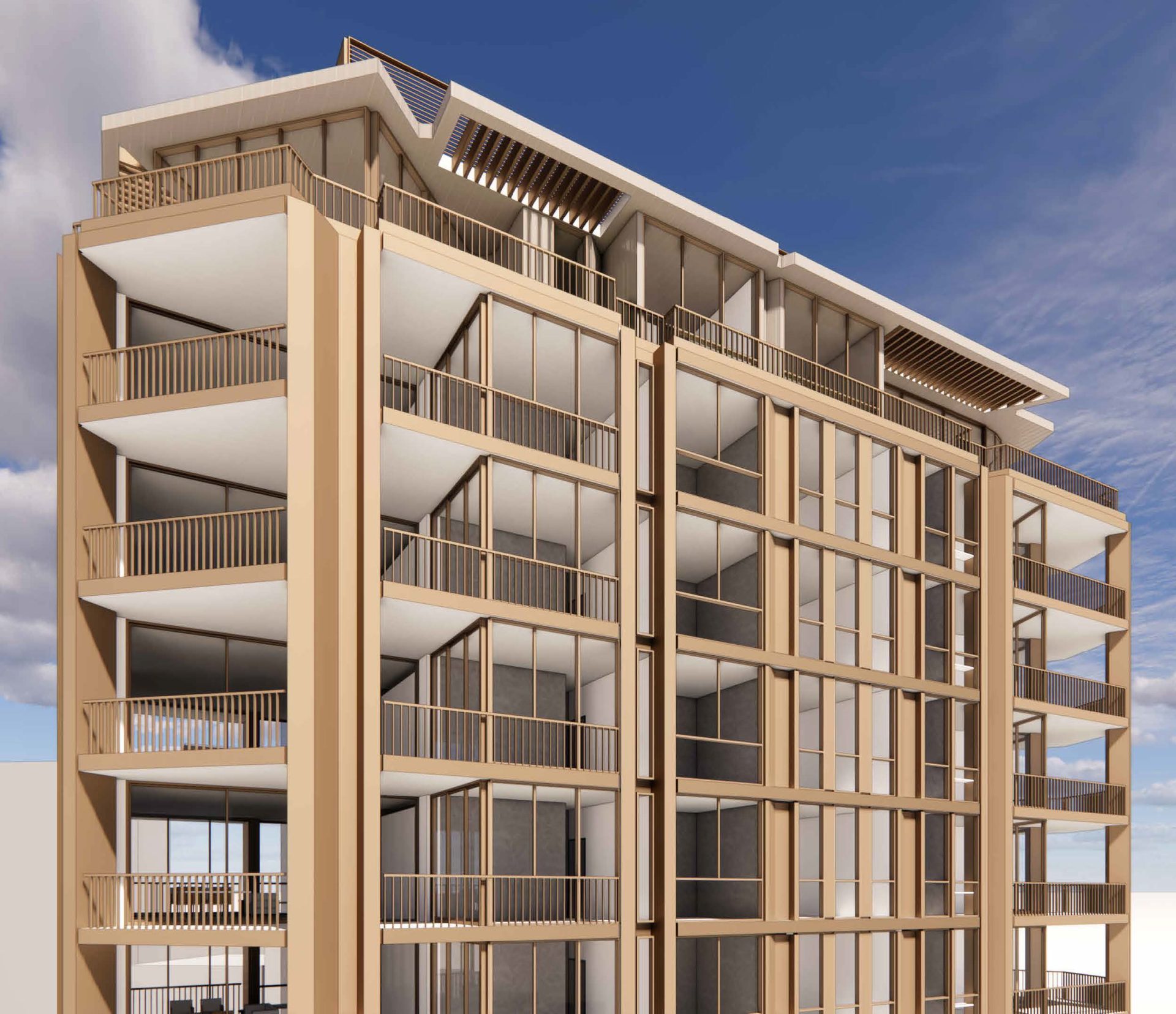
The Crown

The Crown elegantly marks the building in the St Leonards’ skyline by expressing the upper most level and roof top. The crown utilises the same bronze-toned palette as the tower but increases the ratio of glass. The addition of slender pergola elements creates a feathered, transparent top. By stepping the top-level back, the design creates a distinct architectural signature that identifies the site within the broader metropolitan corridor.

Artist’s Impression of Proposed Development Upper Levels as Viewed From West Corner

Source: WMK Architecture 2026

Environmentally Sustainable Design

The following principles underpin how the development achieves environmentally sustainable design (ESD):

Passive Design

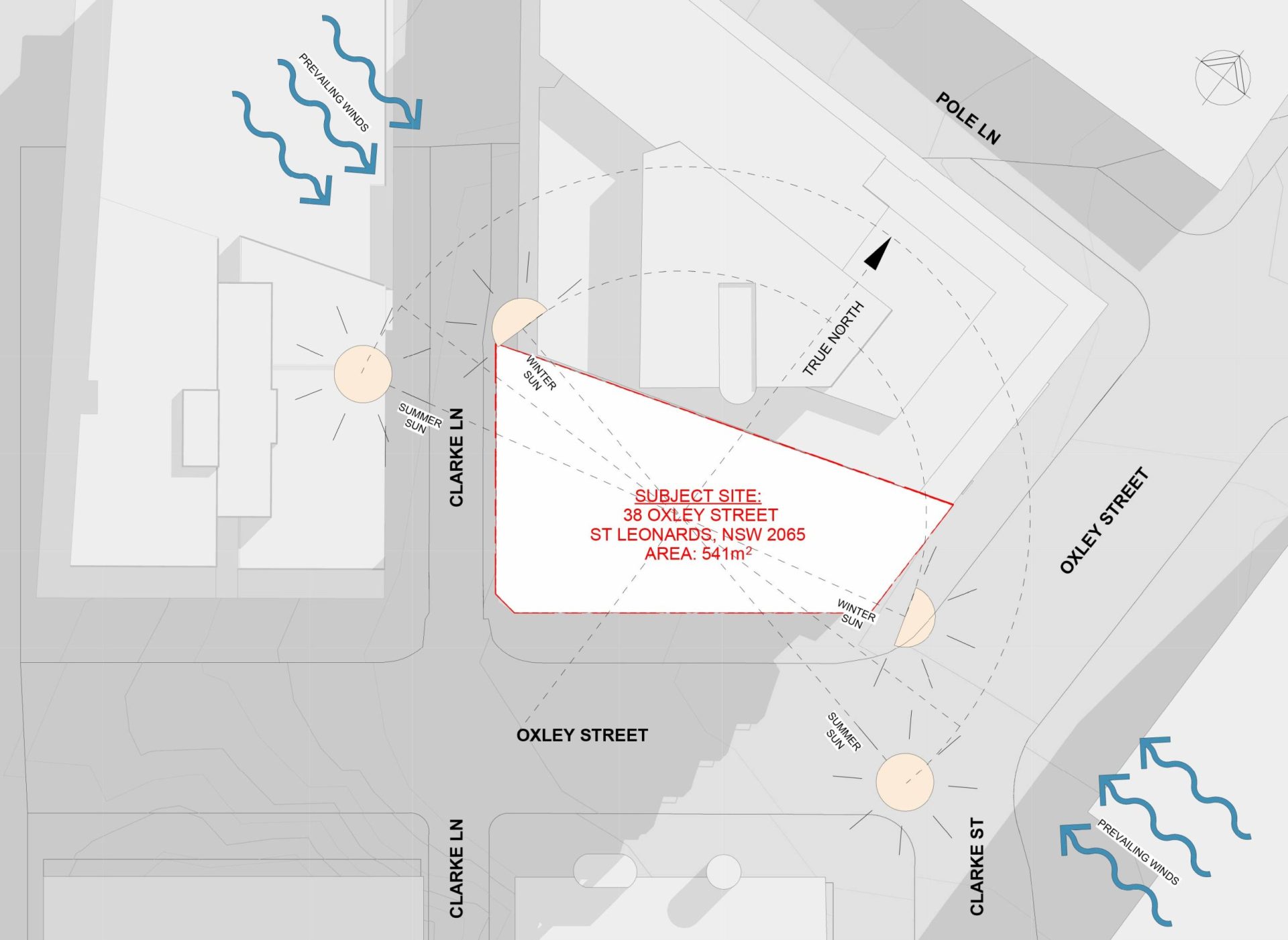
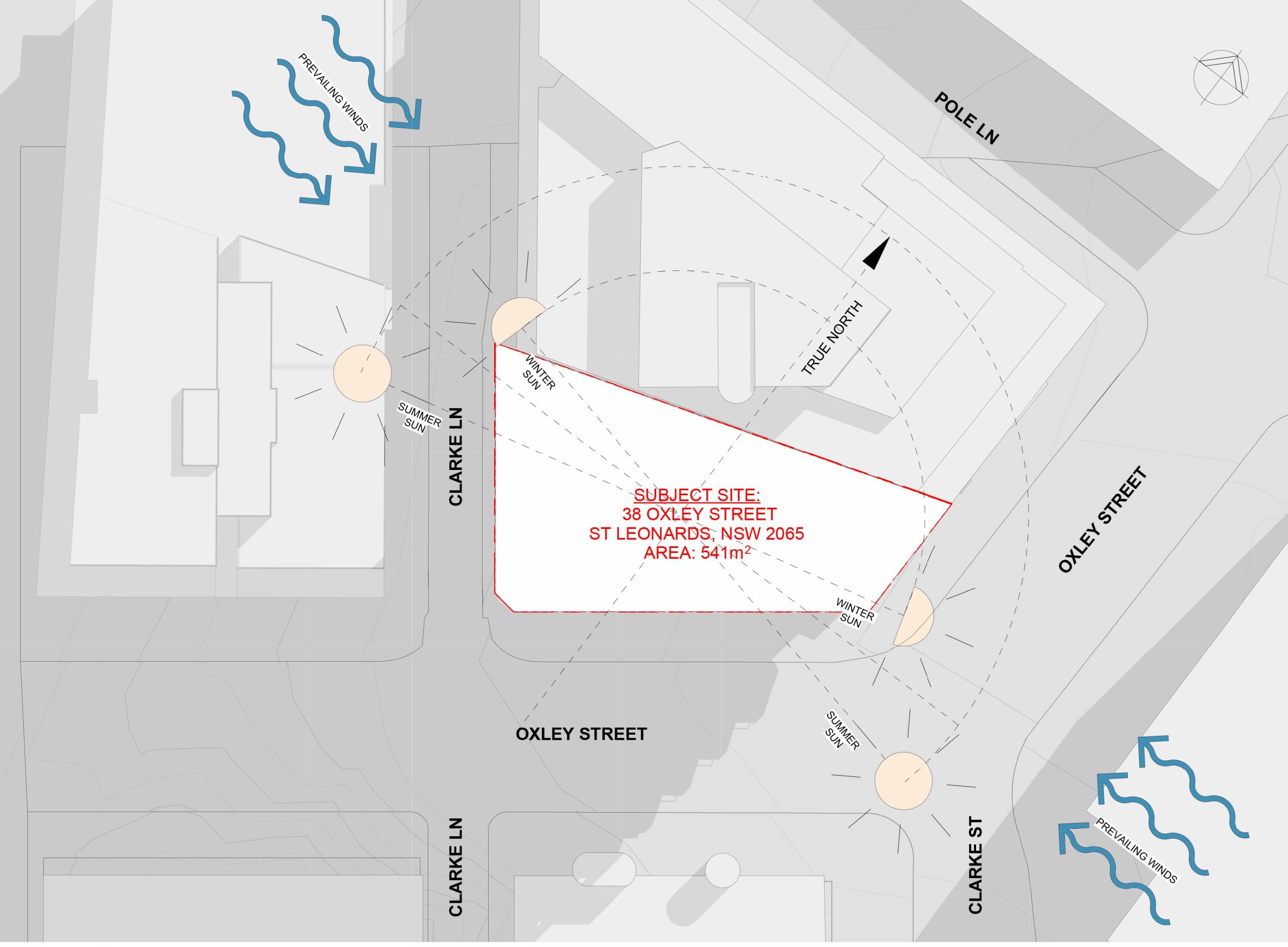
The design maximises opportunities for cross ventilation and solar access into the apartments, which reduces the building’s reliance on mechanical ventilation. By harnessing natural airflow and daylight, the design supports occupant comfort whilst minimising energy consumption.

Site Analysis

Source: WMK Architecture 2026

Water Minimisation and Stormwater Management

Increasing water scarcity, driven by the effects of climate change, necessitates that new developments consider how water is used and managed. In response, the design incorporates water-efficient fixtures and fittings throughout to reduce overall consumption. Equally important the stormwater leaving the site is appropriately treated before it rejoins local water courses, protecting the health of downstream environments.

Green Travel and Sustainable Mobility

The design maximises the opportunities presented by the project’s proximity to public transport and positions the project as a genuinely sustainable place to live.

Connection to Nature

On a constrained urban site, the design prioritises biophilic principles to give future residents a meaningful connection to the natural environment. Planting in the communal outdoor spaces provides residents with access to landscape and greenery, supports mental wellbeing and creates a sense of place. The design ensures that even within a dense urban context, residents can enjoy the restorative benefits of contact with living, growing things.

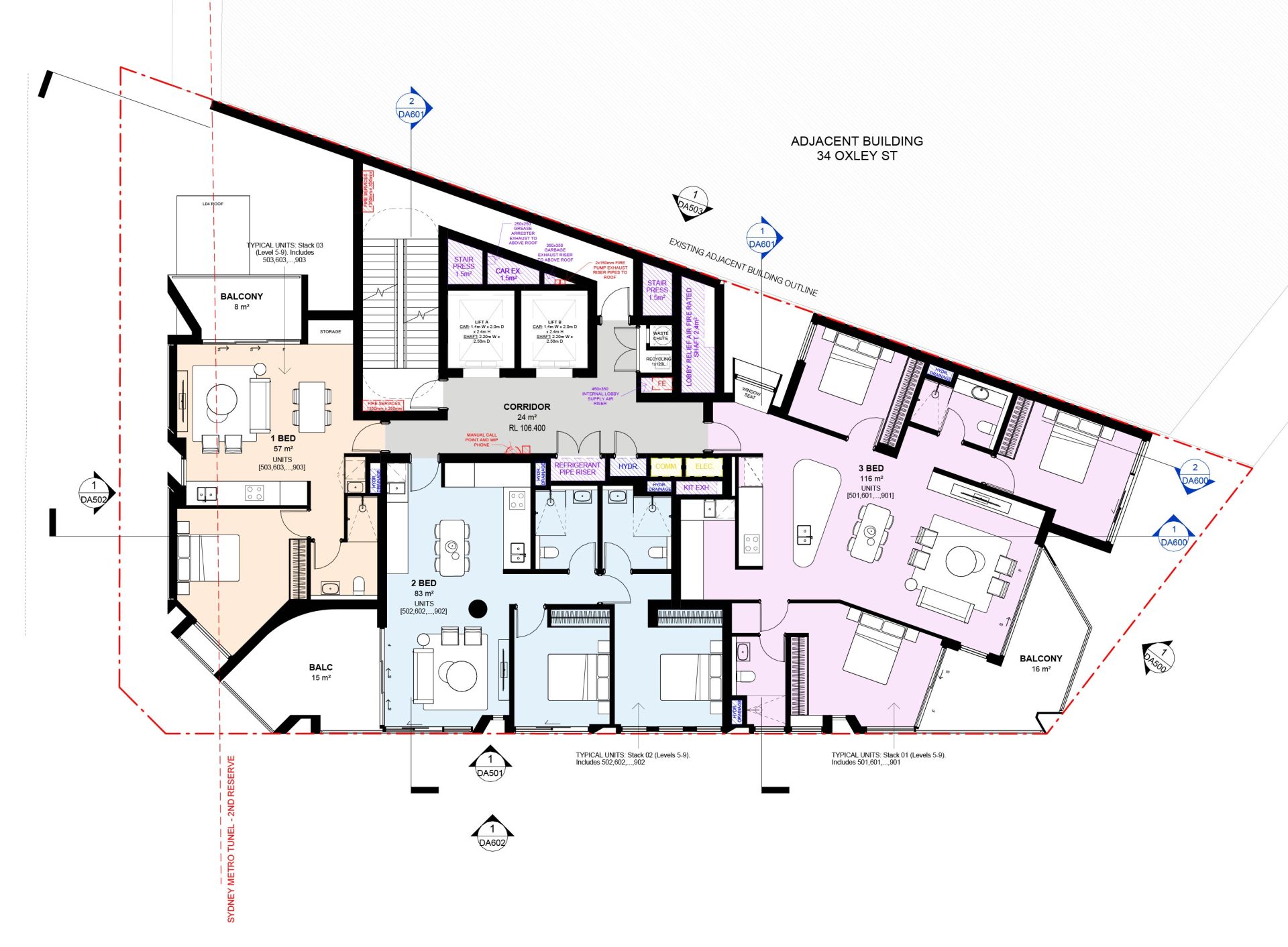
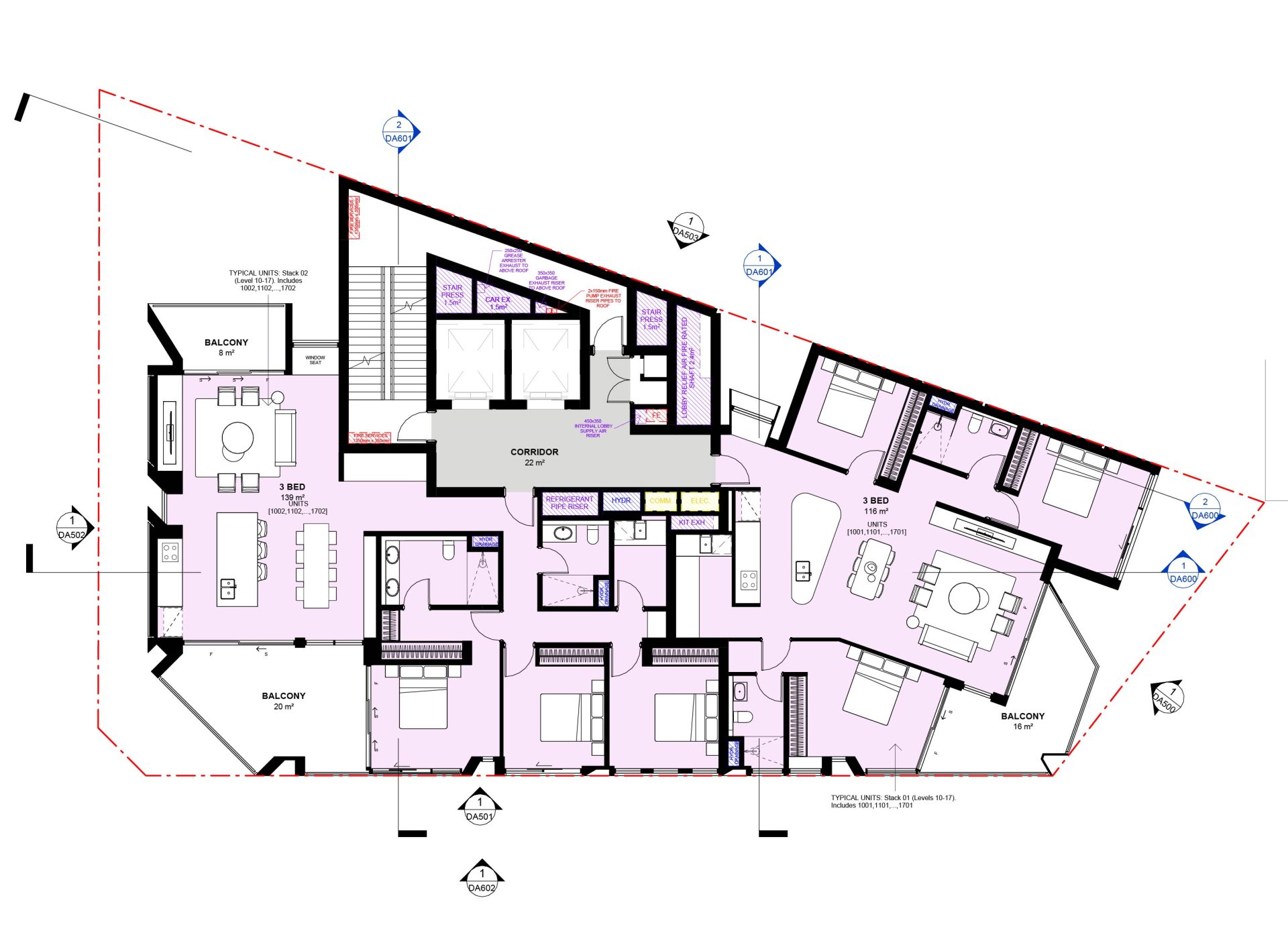
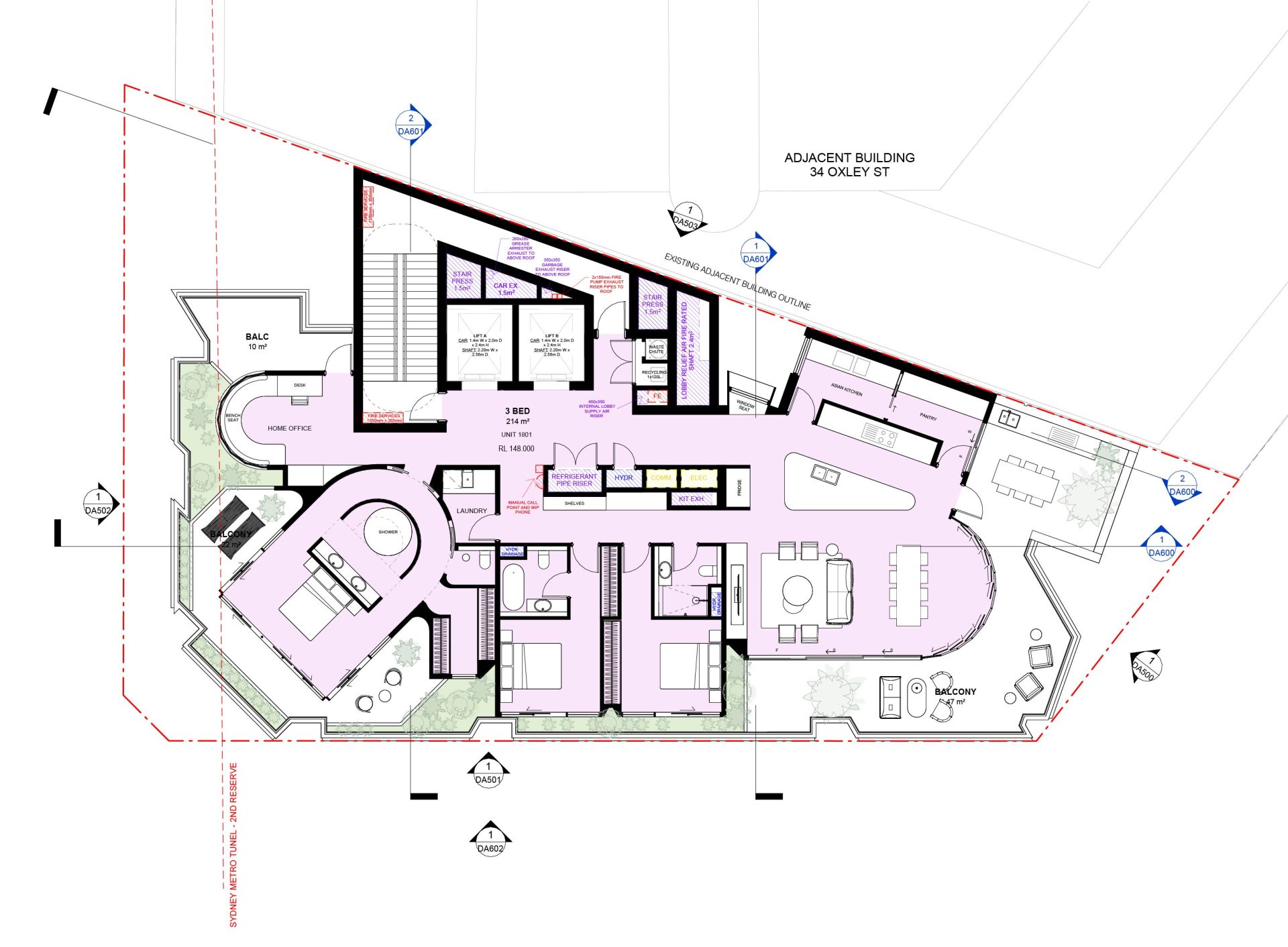
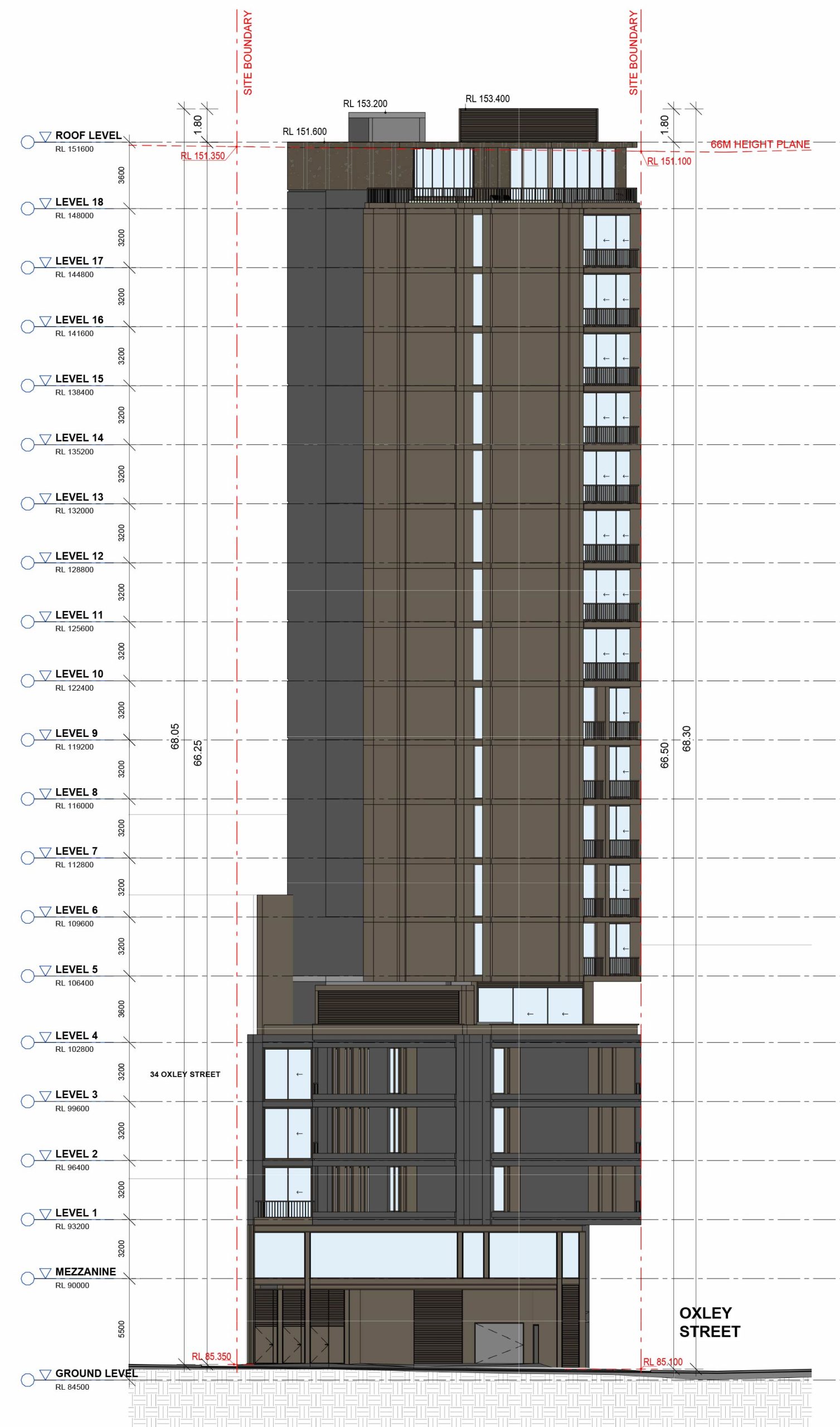
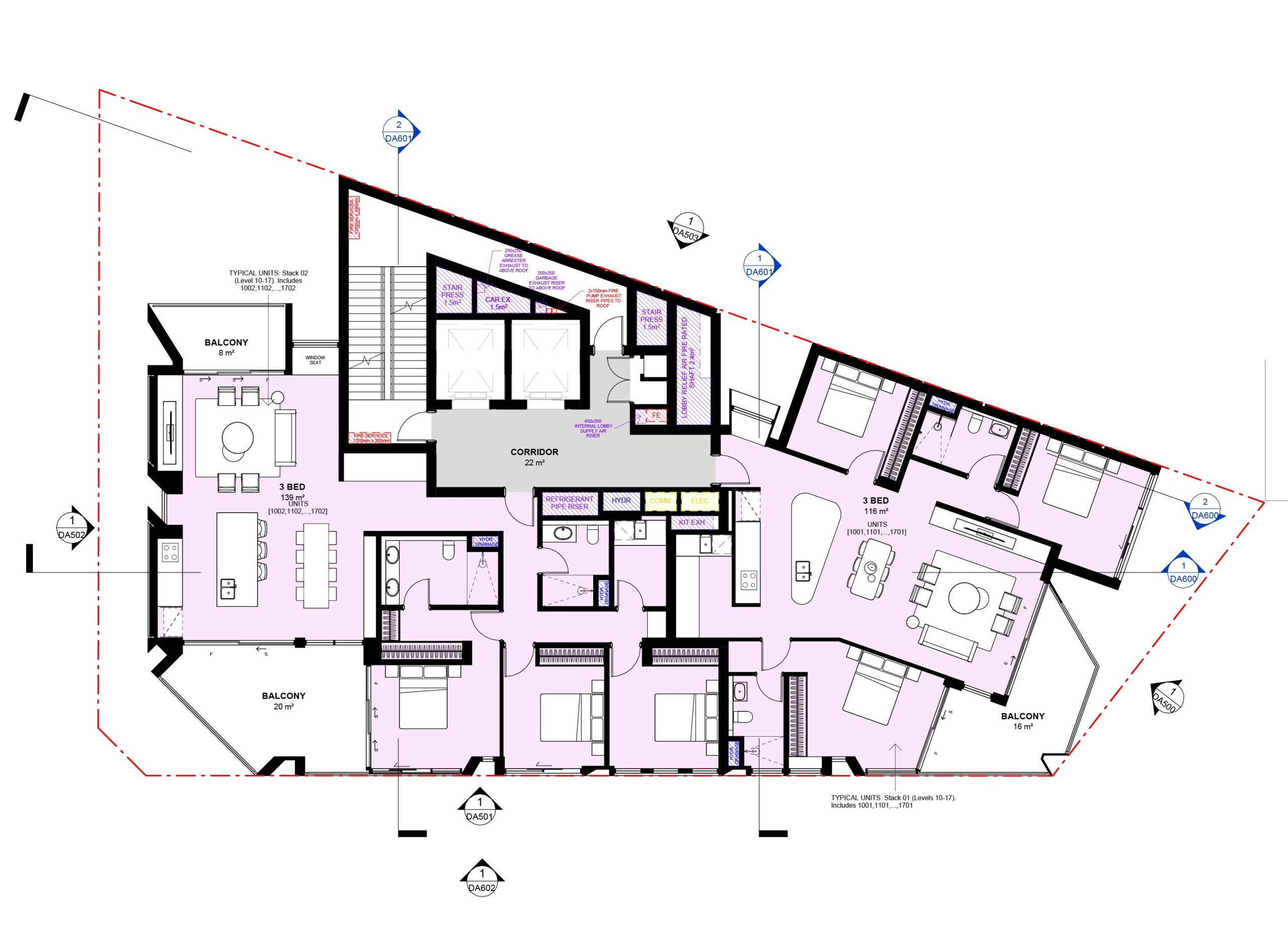
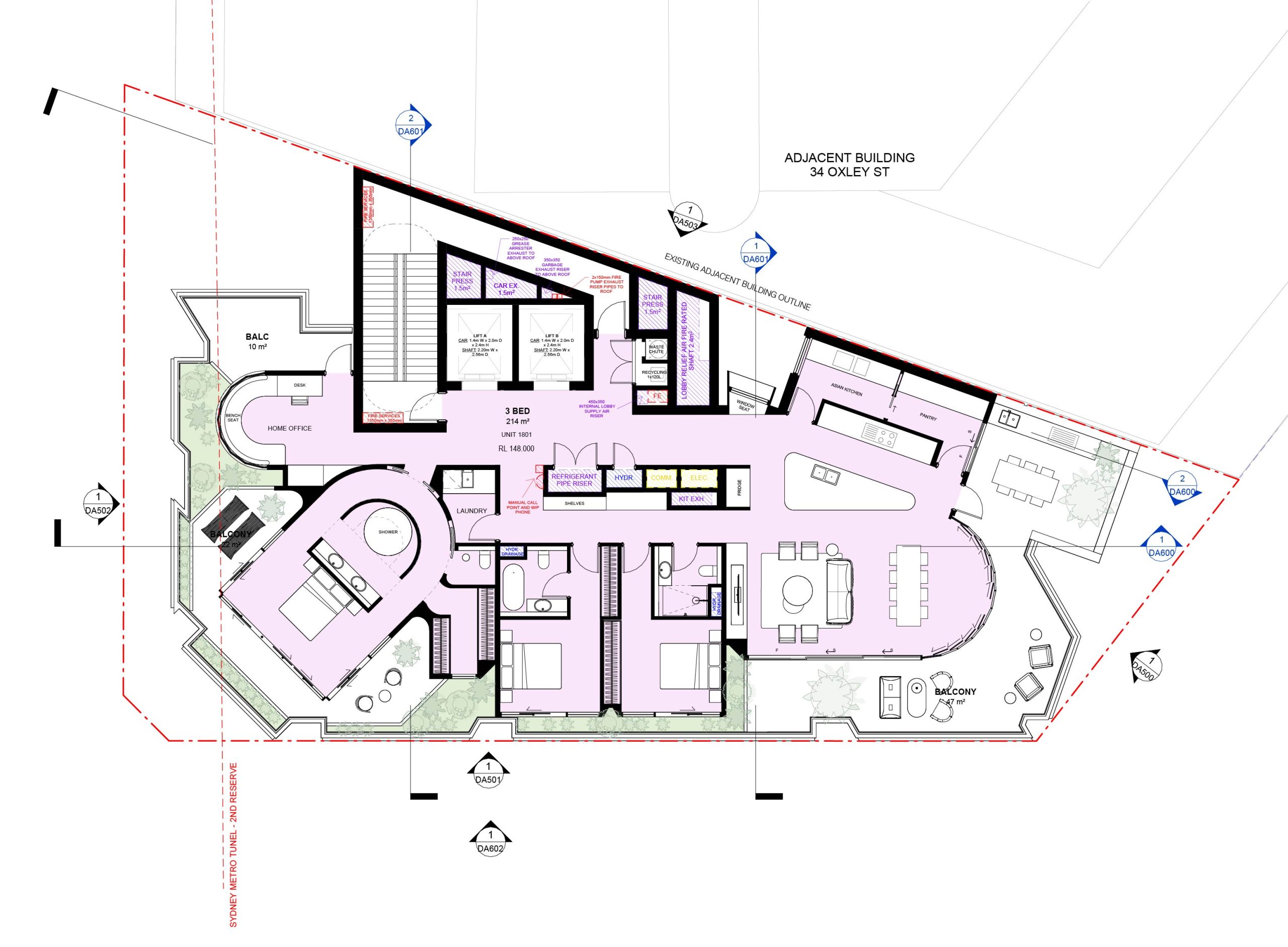
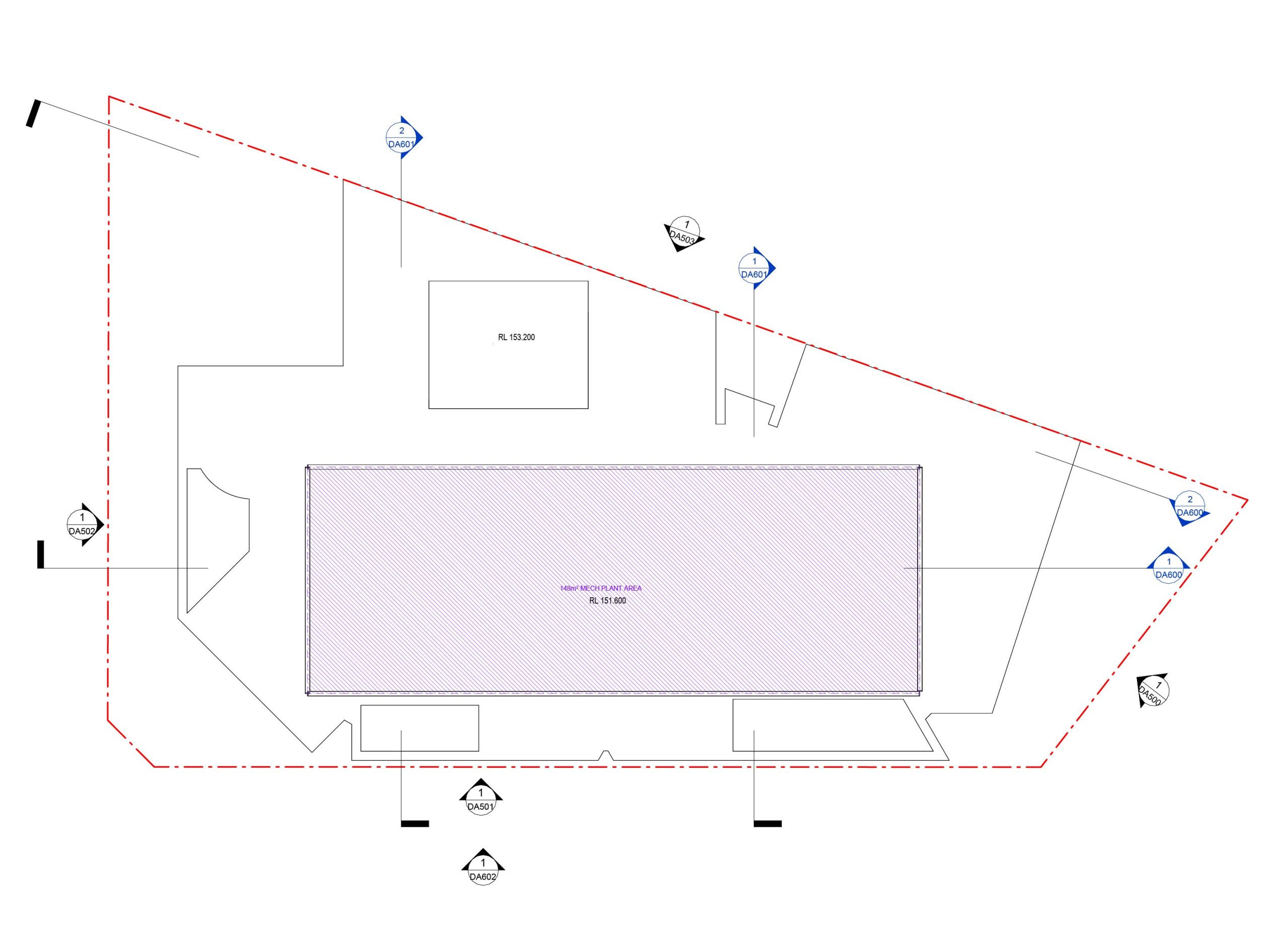
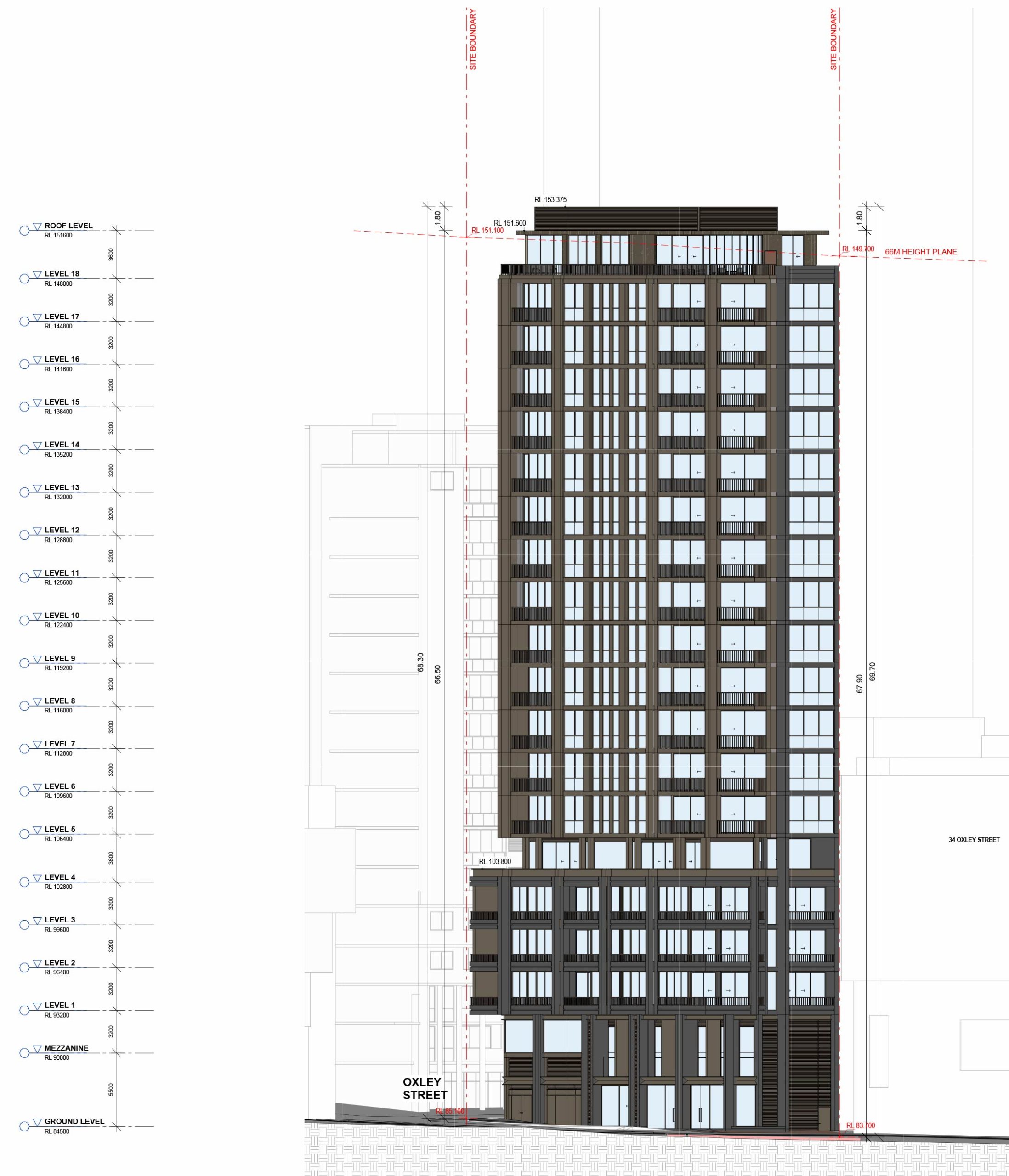
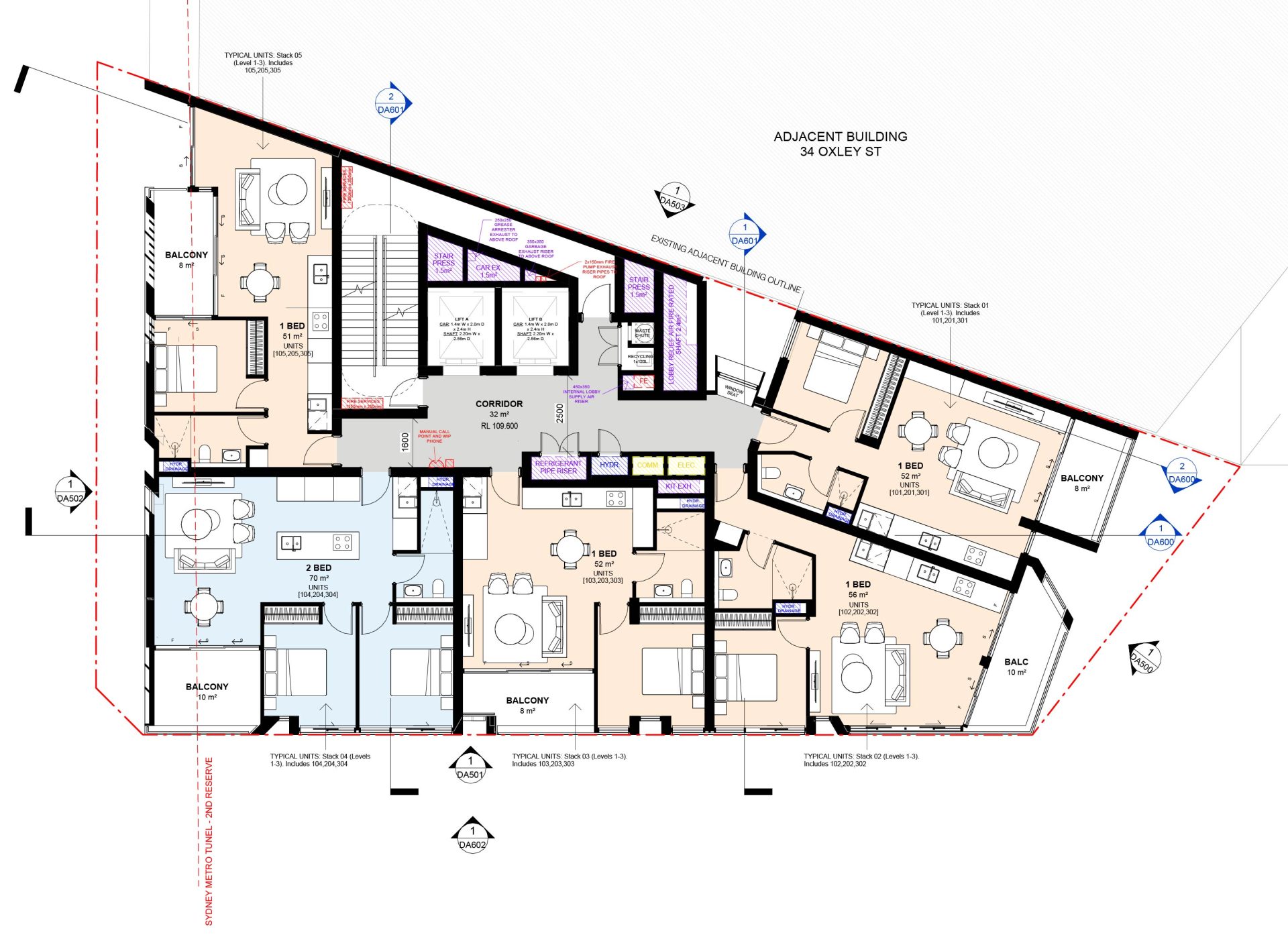
Architectural Plans

Planning Considerations

State Significant Development Application (SSDA) Process

The State Significant Development Pathway provides an alternate statutory planning pathway for projects that are determined to be of State Significance. It provides for the assessment of these projects by the NSW Government with the assessment being undertaken by the NSW Department of Planning, Housing and Infrastructure (NSW DPHI). The Consent Authority for SSDA’s is the NSW Minister for Planning and Public Spaces, The Independent Planning Commission or a delegate of either.

The Pathway provides for liaison and referral of an SSDA to the relevant Local Council in which the development is located. In the case of this SSDA, the Proponent and their multi-disciplinary team have undertaken pre lodgement consultations with North Sydney Council to ensure the application addresses the relevant and pertinent local concerns.

Stage 1 – Request SEARs

Completed

All SSDA’s must be accompanied by an Environmental Impact Statement (EIS). The SEARs identify what information needs to be included in the EIS including community engagement requirements. It requires applicants to engage with key Commonwealth and State Government Agencies and Local Councils as early as possible.

Stage 2 – Prepare Environmental Impact Statement
In Progress

The EIS must address all the matters set out in the SEARs and provides information on the economic, environmental, and social impacts of the project. It will be accompanied by technical reports and architectural plans that explain each facet of the proposed development.

Stage 3 – Lodge Application
Not Yet Lodged

All SSDA ‘s are lodged on the NSW Planning Portal. The NSW DPHI coordinates the assessment of the Application which involves coordinating inputs from Commonwealth and State Government agencies and Local Councils.

Stage 4 – Exhibit SSDA
Not Yet Commenced

Development in accelerated TOD precincts should be exhibited for at least 14 days, unless otherwise specified. The NSW DPHI will publish the SSD Application on the planning portal and notify and advertise the public exhibition. During the exhibition period, anyone can make a public submission. The NSW DPHI will publish all submissions online and ask the Proponent to prepare a Response to Submissions Report. This gives the Proponent an opportunity to address the issues raised in submissions, ensures the community gets feedback on the issues they have raised and helps the Consent Authority evaluate the merits of the project.

Stage 5 – SSDA Assessment
Not Yet Commenced

The NSW DPHI will complete its assessment of the merits of the project in accordance with government legislation, policies and guidelines and prepare an assessment report. Once complete, the assessment report is published on the planning portal online. The Consent Authority is then asked to determine the project.

Stage 6 – Determine SSDA
Not Yet Commenced

SSDAs are determined by the Minister for Planning, the Independent Planning Commission (IPC), or a delegate of either. the consent authority must evaluate the merits of the DA against the matters in Section 4.15 of the Environmental Planning & Assessment Act 1979. The department will then publish the decision on the NSW planning portal, notify everyone who made a submission of the decision and give public notice of the reasons for the decision and how community views were considered in making the decision.

Planning Compliance

The proposed development is compliant with the intent of the provisions that apply to the development under of the North Sydney Local Environmental Plan 2013. The new planning controls that were introduced with the gazettal of the Crows Nest TOD Accelerated Precinct on 27 November 2024 are contained in Part 7 of the LEP. The Table below explains how the proposed development complies with the relevant controls. 

Planning ControlPlanning RequirementDevelopment
Land UseMU1 – Mixed UseShop-top housing development with ground-floor retail proposed
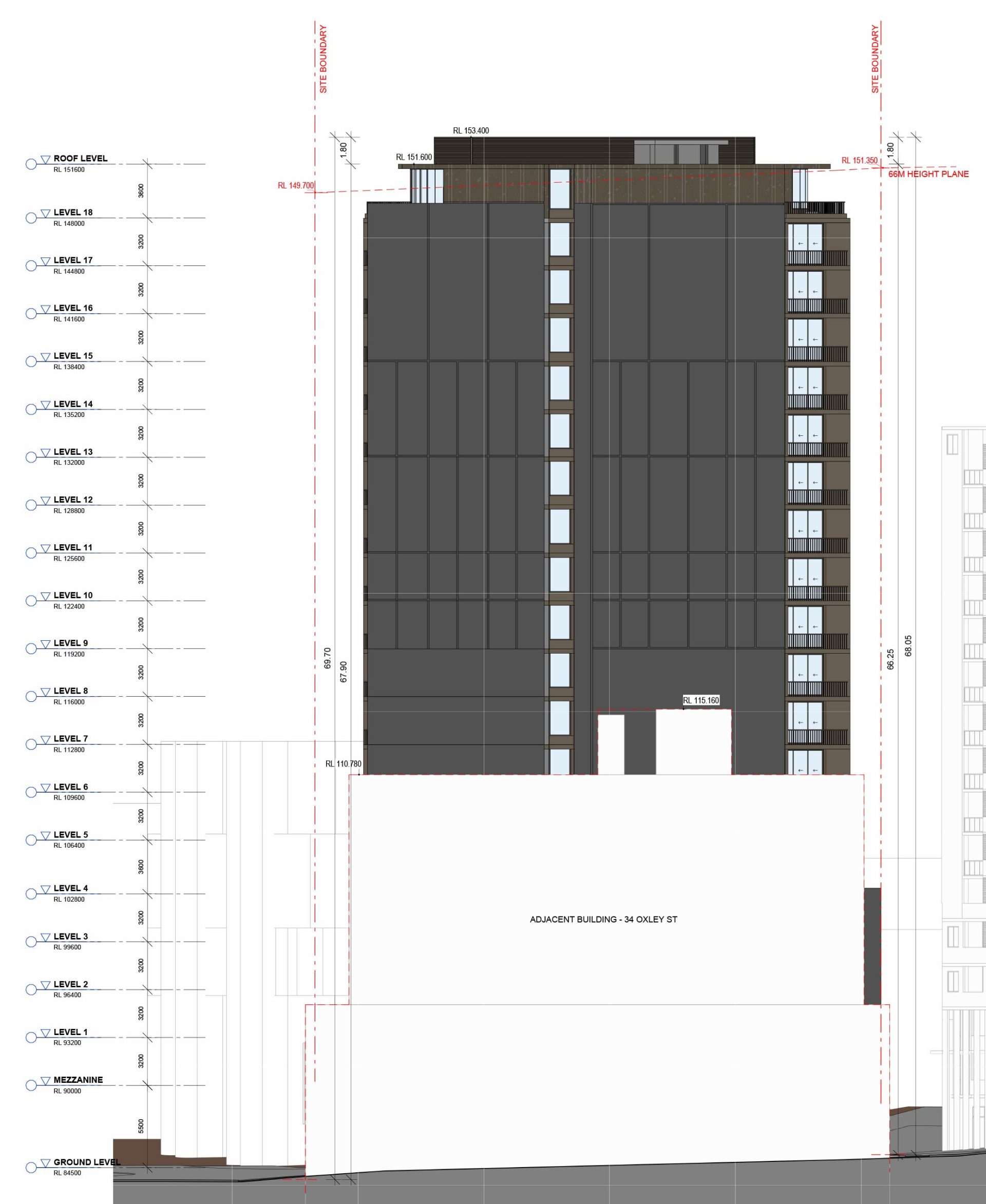
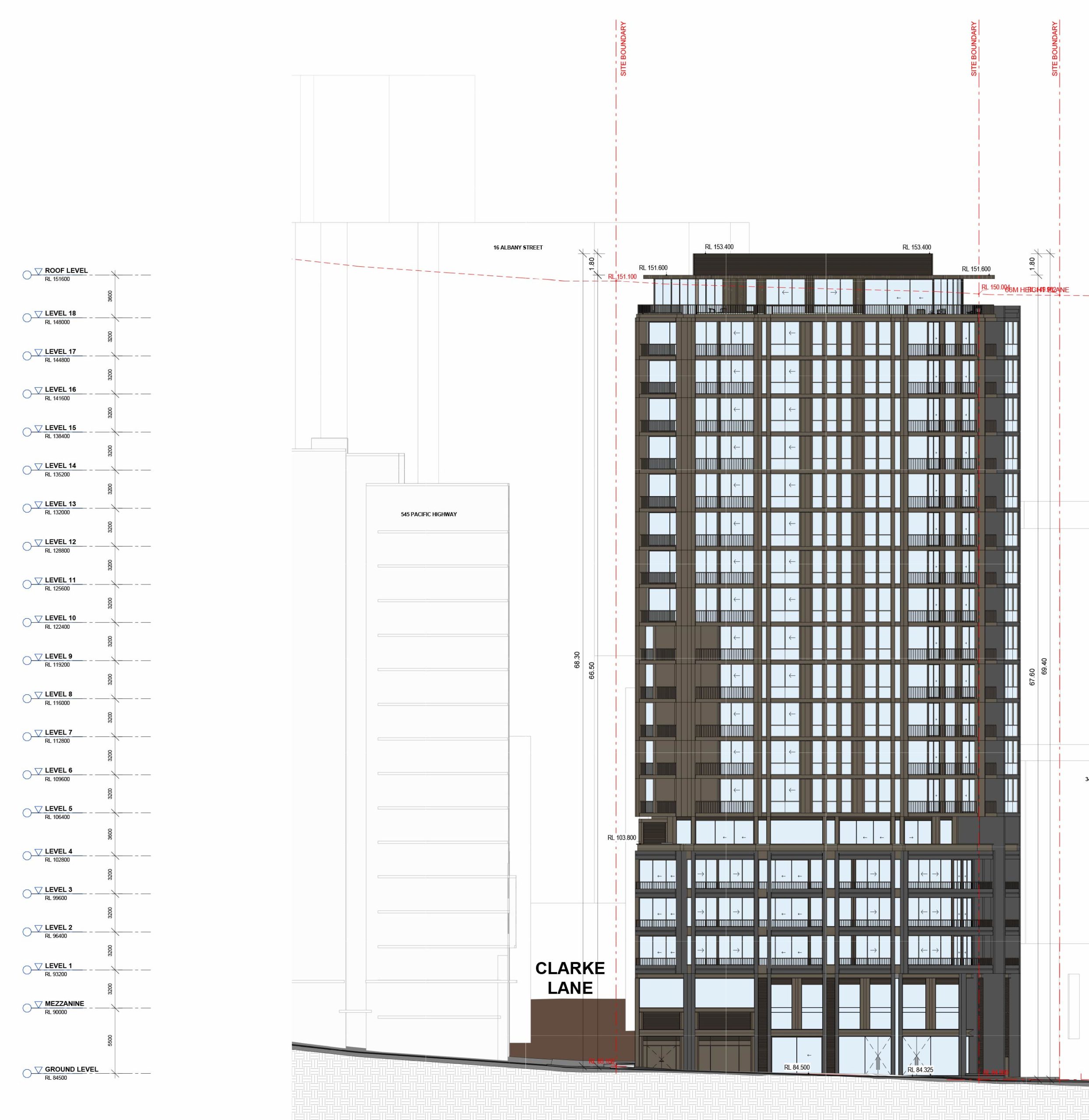
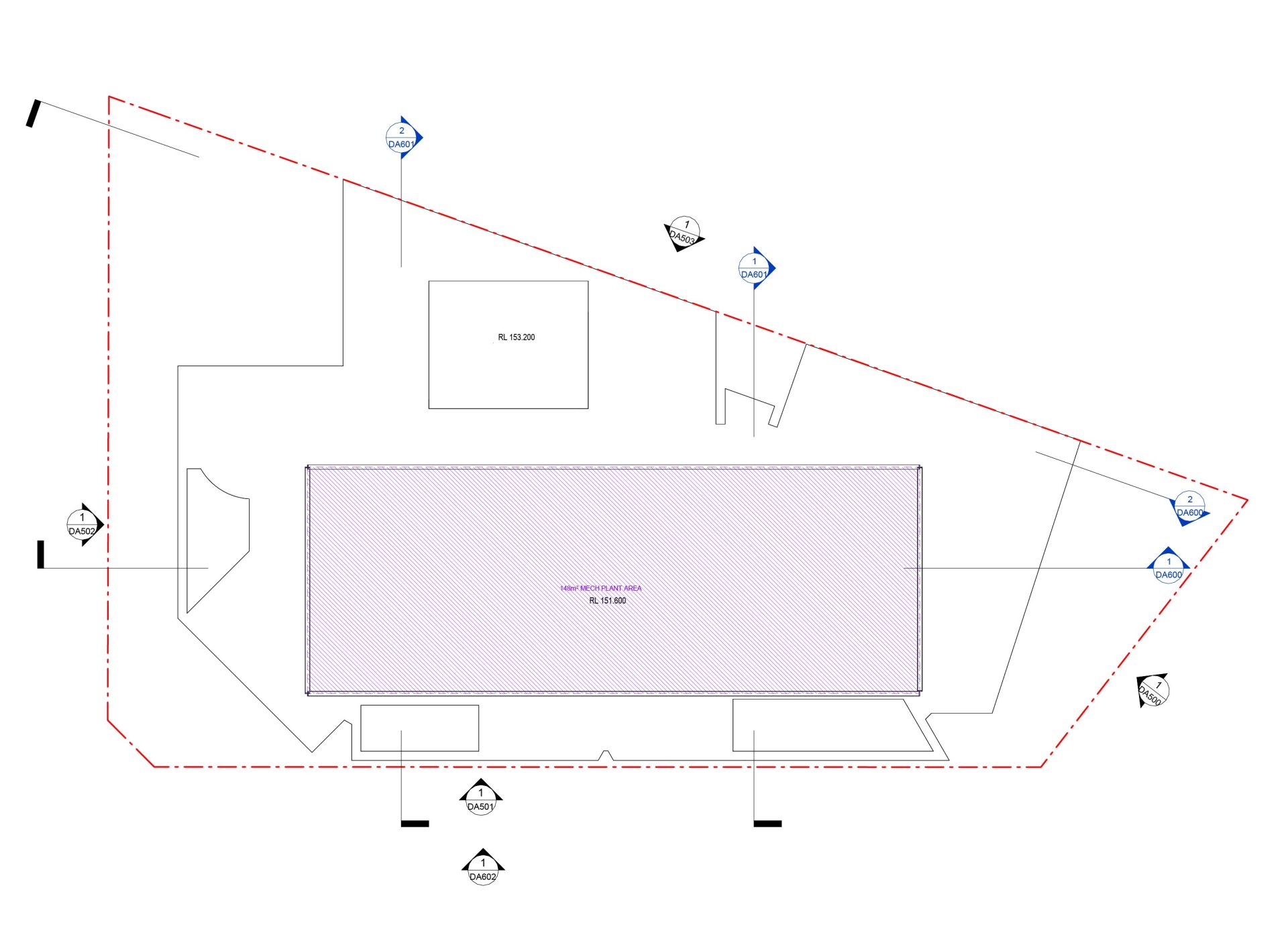
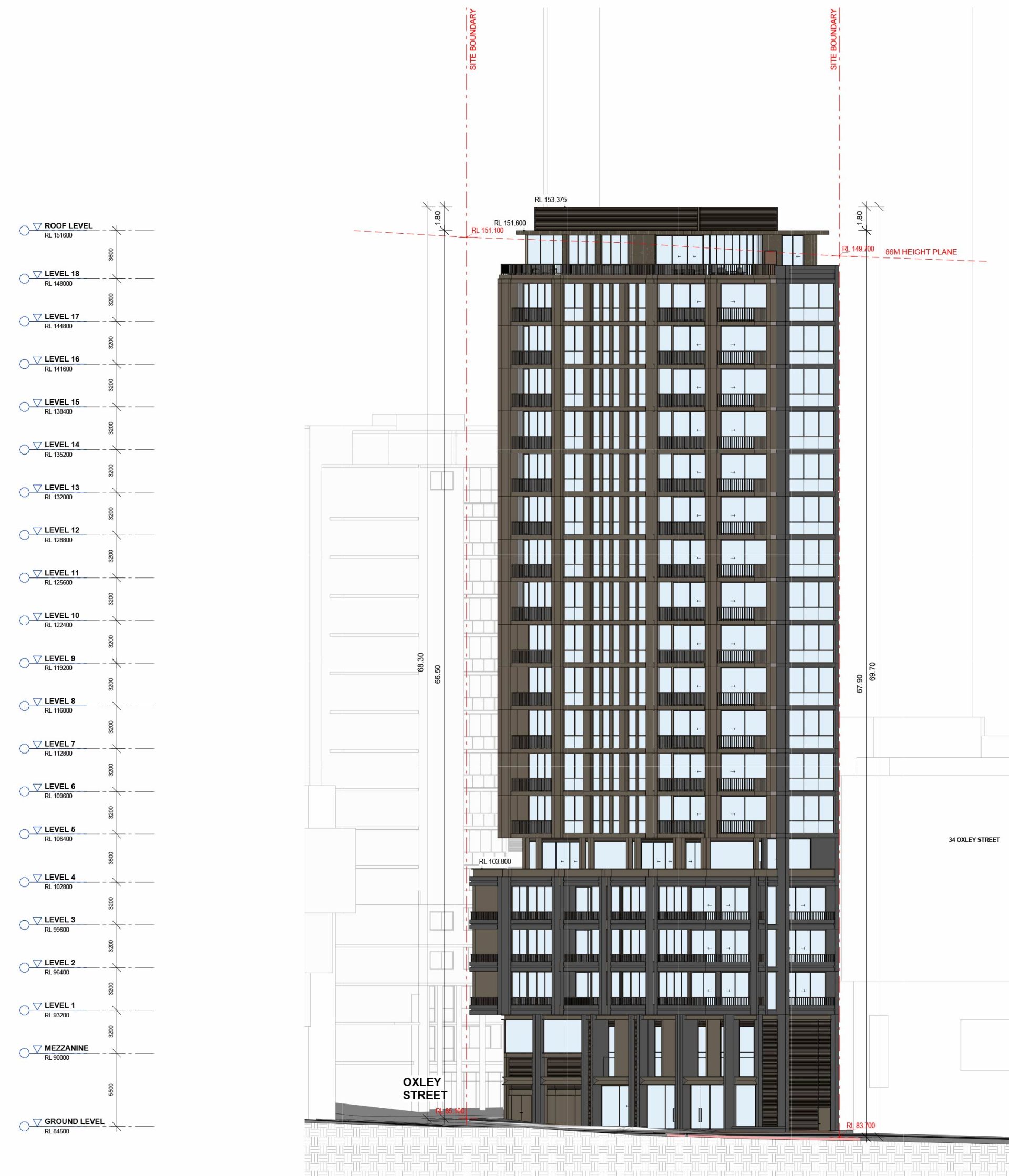
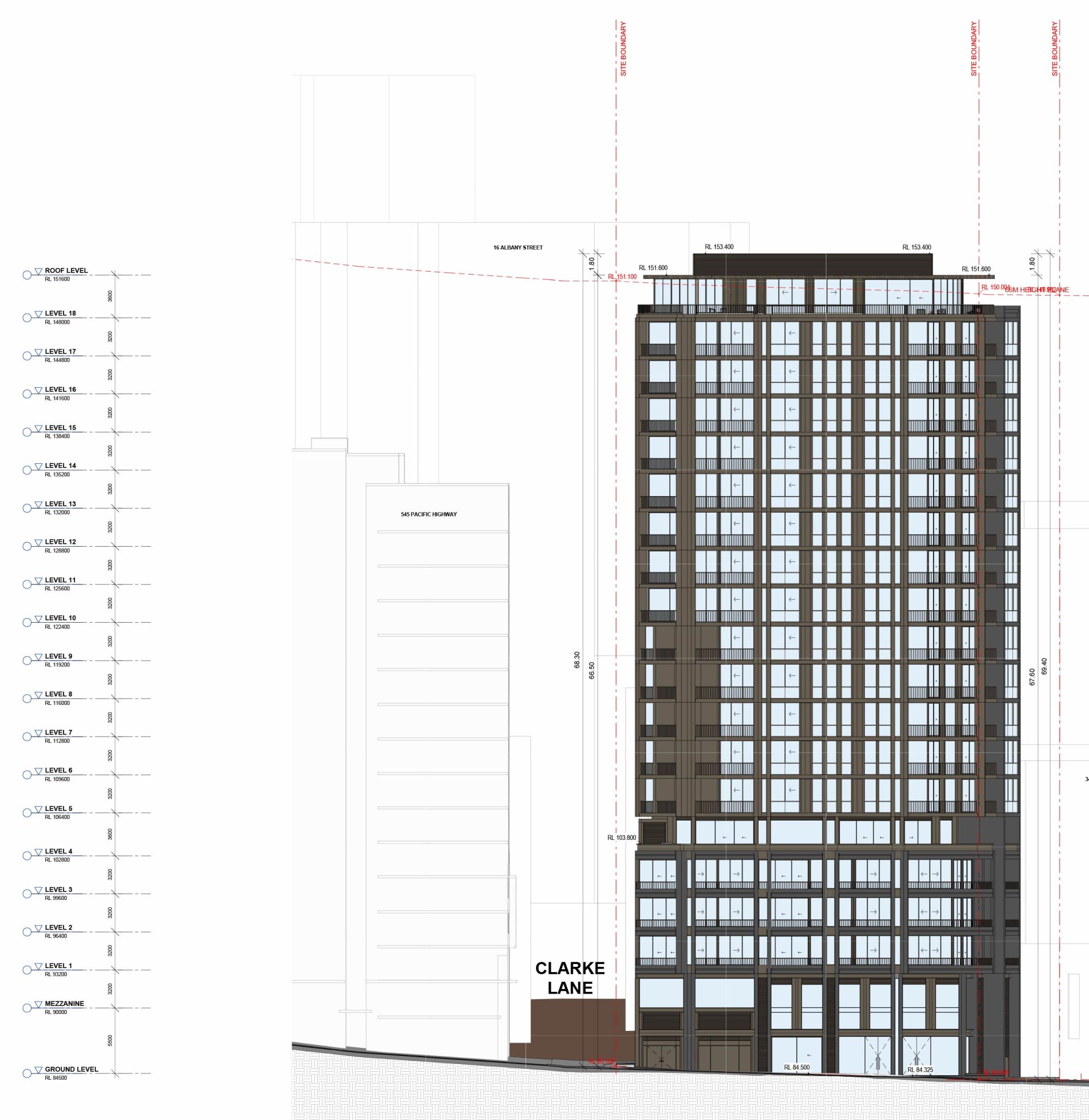
Clause 4.3 – Height of BuildingsMaximum building height: 66mBuilding height: 20 storeys (Approximately 67.1 metres)
Clause 4.4 – Floor Space Ratio (FSR) Maximum FSR: 10:110:1
Clause 4.4A – Non-Residential Floor Space Ratio (FSR)Maximum non-residential FSR: 1:1 (541 m²) with active frontageNon residential FSR does not comply. It is under the required floor space
Part 7 – Crows Nest TOD ObjectivesIncrease housing supply, mixed-use and affordability47 shop-top apartments, including affordable housing units, located near Metro and rail services
Clause 7.4 – Design ExcellenceDevelopment must demonstrate design excellenceDesign Excellence Report to accompany SSDA
Clause 7.5 – Affordable HousingMinimum 15% of residential Gross Floor Area (GFA)Up to 15% of residential GFA subject to economic feasibility
Clause 4.6 Variation Requests To Height and Non Residential Floor Space Controls

Under planning law, the variation of a statutory control requires the Proponent to demonstrate that the variation is justified and supported. This request is prepared in accordance with the requirements set out in Clause 4.6 of the North Sydney Local Environmental Plan 2013 and is referred to as a Clause 4.6 Variation Request. Gyde Planning Consultants will prepare the Clause 4.6 Variation that accompanies the SSDA.

The additional height (approximately 1.1 metres) is necessary to accommodate the following design requirements:

  • A new electricity substation is provided that must be designed to Ausgrid’s technical specifications. These necessitate additional height clearance.
  • The limited site area of the lot means that the communal open space for the development is provided between the podium and the tower levels. To create a functional and attractive space with indoor and outdoor entertaining spaces, the floor to ceiling height of this level is higher than those of a standard residential floor.
  • To ensure that all roof top plant is hidden and disguised from view from adjacent buildings.

Gyde Planning Consultants supports the additional height in this instance as it necessitates an improved architectural solution that will not result in any additional overshadowing, visual privacy or view impacts.

The variation to the non-residential floor space is supported as the proposal incorporates retail floor space at both the ground and mezzanine levels. The limited site area and the requirement to accommodate essential site services at the ground level necessitates that part of the retail floor space be provided at the mezzanine level.

Traffic and Parking Impacts

The SSDA has been informed by traffic and parking engineering advice provided by Traffic and Transport Planning Associates (TTPA).

TTPA has assessed the traffic conditions on surrounding streets, including Oxley Street and Clarke Lane, as being low and operating efficiently, with sufficient capacity to accommodate the minor increase associated with the proposed development and its 32 on site car parking spaces. All parking spaces will be allocated. Of the 32 spaces, 4 will be allocated to retail tenants.

TTPA has calculated that traffic generation from the development is not expected to exceed 18 vehicle trips per hour. Car dependency is expected to be low due to the site’s proximity to public transport and local services, resulting in minimal impact on traffic flow, access, safety or the operation of the surrounding road network.

An automated car lift will service the parking levels. The lift will be accessed by making a lefthand turn into the driveway off Clarke Lane. The lift is designed to remain at ground level when not in use. Residents will call the lift ahead of arrival, a red/green traffic signal on Clarke Lane, will signal to the driver the lift is waiting and available to access. In the event of a red light the driver will drive around the block.

TTPA has modelled the operation of the lift on local traffic conditions and determined that the likelihood of queuing resulting in Clarke Lane from its operation ls low given the small number of vehicle trips that will be generated by the development each hour (18 trips).

No dedicated motorcycle or bicycle parking is proposed for the development due to the site’s proximity to public transport and local amenities. Motorcycles may be stored within allocated car spaces, and bicycles can be securely stored in residents’ personal storage cages.

Solar Access and Overshadowing

WMK Architecture has taken every care to design the residential levels of the podium and tower with a building form that is angled and sculptured so that it maximises solar access to the proposed apartments within the building and mitigates overshadowing impacts on neighbours and the public domain. The architectural solution complies with the NSW Governments Apartment Design Guide for solar access and overshadowing.
The design solution achieves this by:

  • Recessing balconies and windows into the facade rather than designing them as add-ons that contribute to the circumference mass of the building form;
  • Accommodating most of the essential plant and building services within the basement levels allows the building podium plane footprint in the streetscape.
  • The crown of the building, has deliberately been designed as a light structure that disguises rooftop plant whilst minimising its built form and bulk.

Waste Management & Street Presentation

All resident and retail waste generated by the building will be stored in dedicated bin storage areas in the basement, with residential and retail waste managed separately. There will be 24 bins dedicated to residential waste and 4 for retail waste. This includes recycling bins.

Street Tree Management

There are three street trees located at the Oxley Street frontage of the site. The consulting arborist on the project has recommended that the street trees be removed and replaced.

Community Benefits

The proposal will provide extensive community benefits that can be enjoyed by future residents of the development and the broader St Leonards community. These benefits include:

  • The inclusion of affordable housing units that will be managed by a community housing provider in perpetuity. The apartments will provide essential worker accommodation for people working in education, health and emergency service professions within the North Sydney Local Government Area.
  • The incorporation of retail spaces at ground and mezzanine level will provide new business and employment opportunities whilst also activating Oxley Street at its gateway into the St Leonards Village. Presently the existing building lacks a pedestrian connection and offers little to no amenity for pedestrians at its frontage.
  • The presentation of the building at its Oxley Street and Clarke Lane frontages will be upgraded and enhanced through relocation of essential services into the new basement levels.
  • The SSDA will be accompanied by Section 7.11 and Section 7.12 developer contributions to North Sydney Council that will help to offset the cost of retrofitting and upgrading essential local infrastructure.

Community Consultation

The NSW DPHI SSD Community Engagement Guidelines (the Guidelines) were introduced in March 2024. Under the Guidelines, the process of engagement involves informing and consulting with the people and groups who are interested in, or affected by, proposed changes to an area, and obtaining expert advice from relevant councils and Government Agencies. It can involve informal, casual and innovative processes. Engagement is about facilitating a civil dialogue that can stay in place for the duration of the project and that can explore whether differences can be addressed, and needs met.

The Department expects proponents to adopt its community participation objectives when engaging in State Significant Projects. Proponent-led engagement will be:

• open and inclusive;
• easy to access;
• relevant;
• timely; and
• meaningful.

The community consultation process for this project is being managed by UrbanTalk. This Project Listing is the community information hub of the project, and it will be updated as the project progresses. Please do not hesitate to reach out using the feedback form below if you have a question about the project and we undertake to come back to you with a response in 48 hours.

Community Q&A Webinar Event

To coincide with the preparation of the SSDA Environmental Impact Statement (EIS) and to allow us to better understand community attitudes to the project we are hosting a community Q&A Webinar on Wednesday 3 June from 6pm – 7.30pm. We encourage you to attend this event to:

• Learn about the architectural and planning considerations that are shaping this project.
• Meet the developer who is taking the project forward
• Ask questions to the design team.

Register below to attend this event.

The Q&A Webinar will be 90 minutes in duration and will incorporate a 40-minute presentation about the project followed by a 50-minute facilitated Q&A. Register to attend the Webinar using the form below. If you are unable to attend, we will be recording the webinar and you will be able to view the event on the project listing in the days after the event.

Construction Management

Pending approval, construction of the proposed development, will be managed under a Construction Management Plan (CMP) to ensure works are carried out safely and with minimal disruption to the surrounding area. The CMP will form part of the documentation that is lodged with the SSDA.

The construction of the building will occur in three stages which include:
• Demolition.
• Excavation.
• Construction and Fitout.

Construction controls will be adjusted at each stage to manage impacts as activities change. BMV Development will actively engage with neighbouring residents and local businesses throughout the construction process ensuring they are notified in advance of major construction activities or changes to traffic conditions. If there is local support a community reference group may be established so that neighbours can raise concerns.

Construction will occur within approved hours. Noise, dust and vibration will be managed, and surrounding streets will be kept clean and safe.

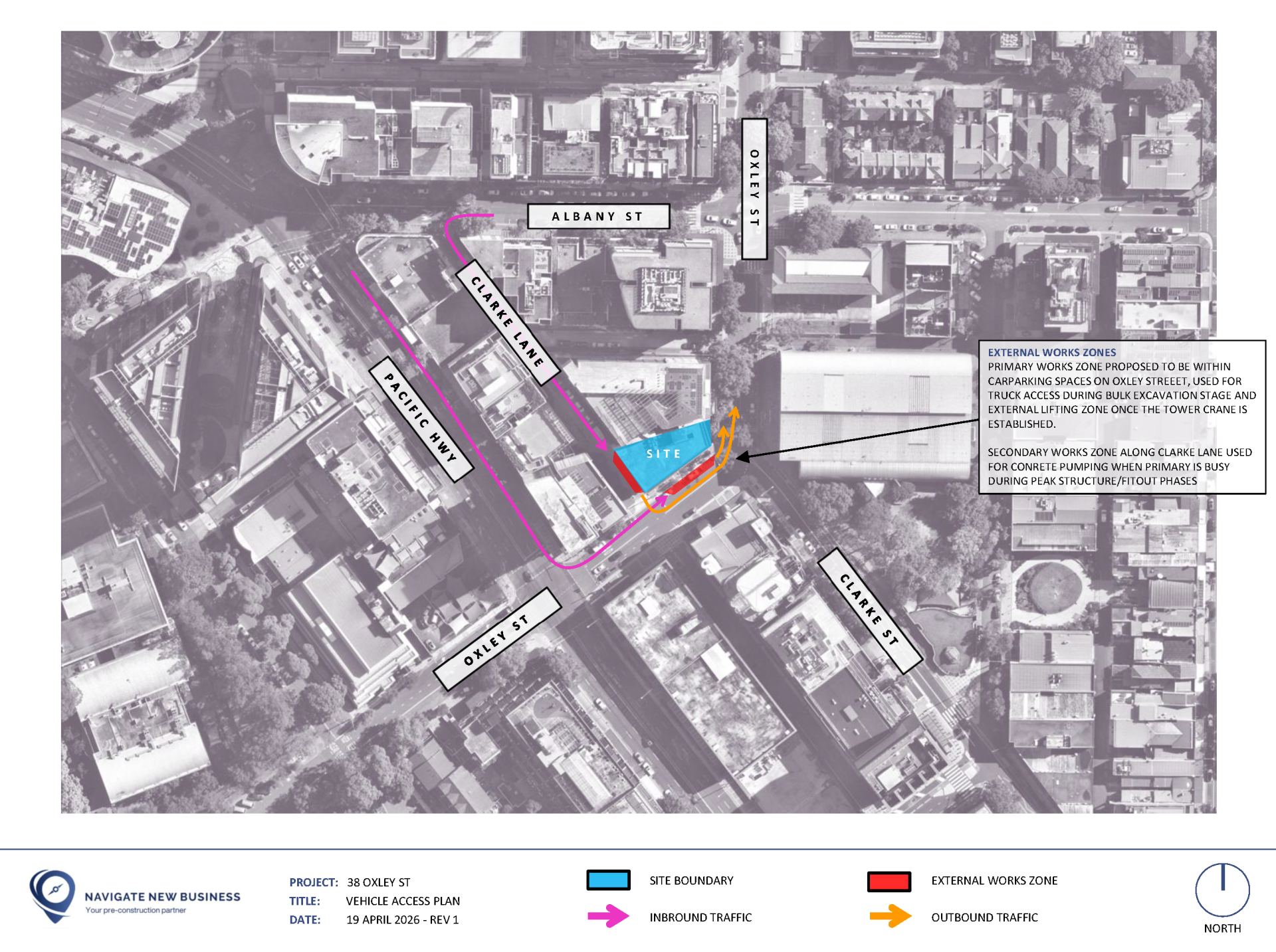
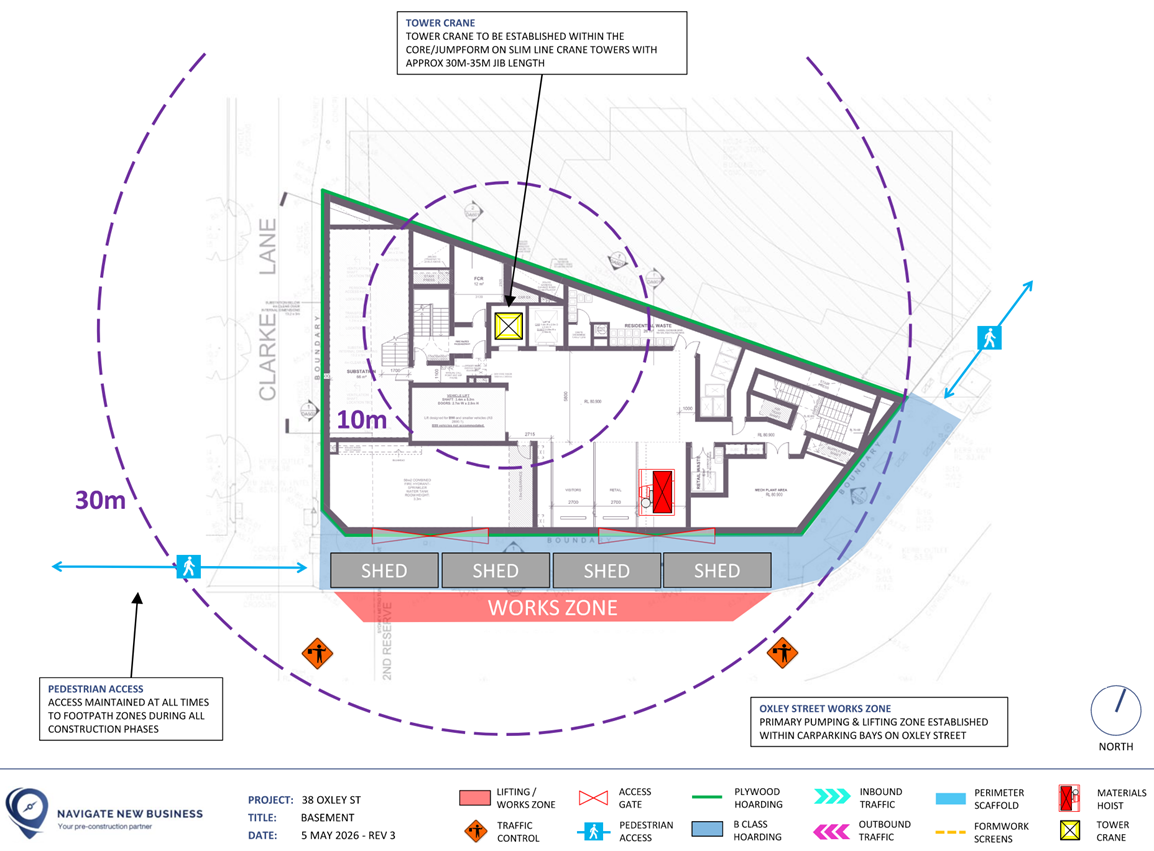
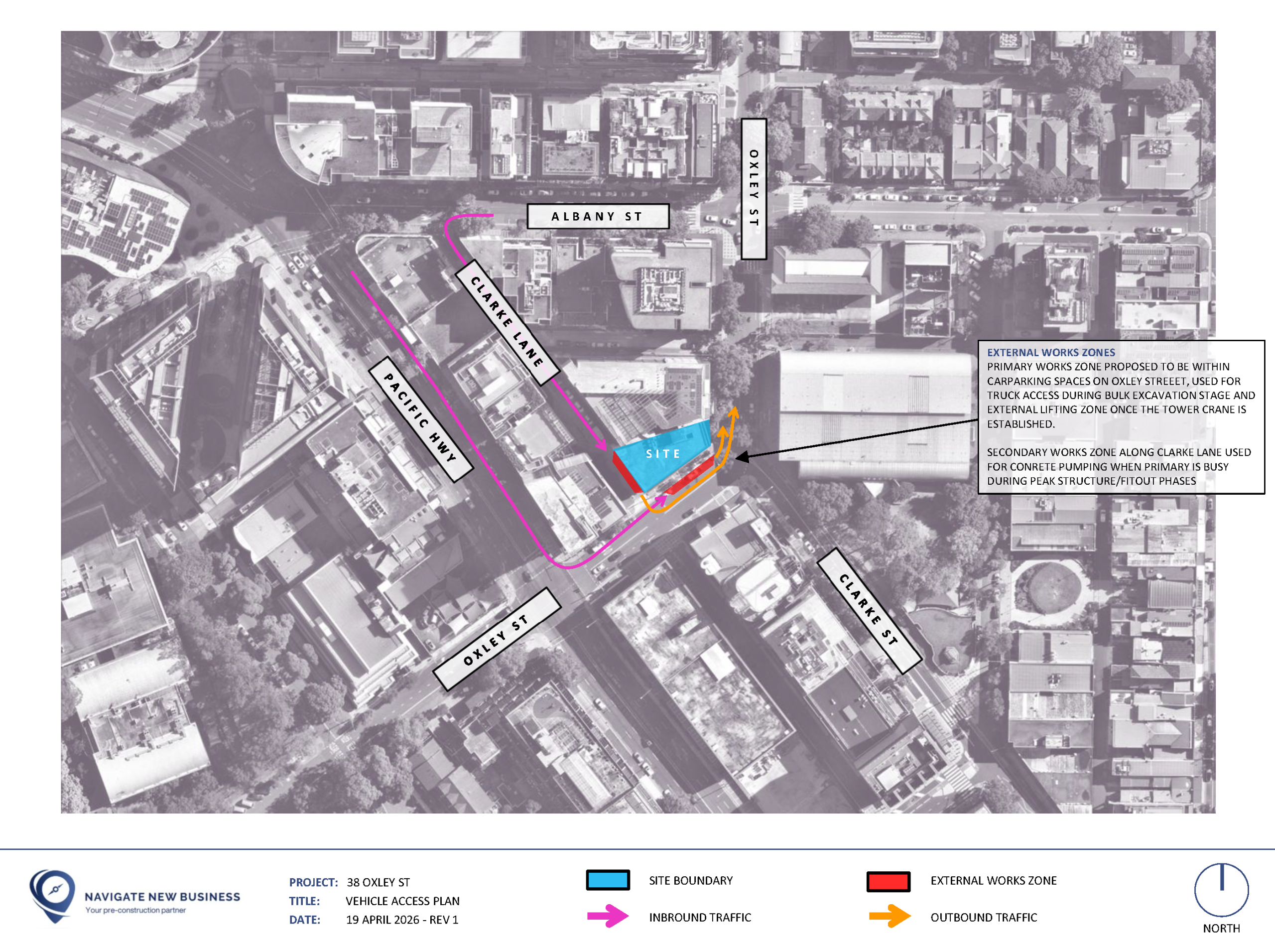
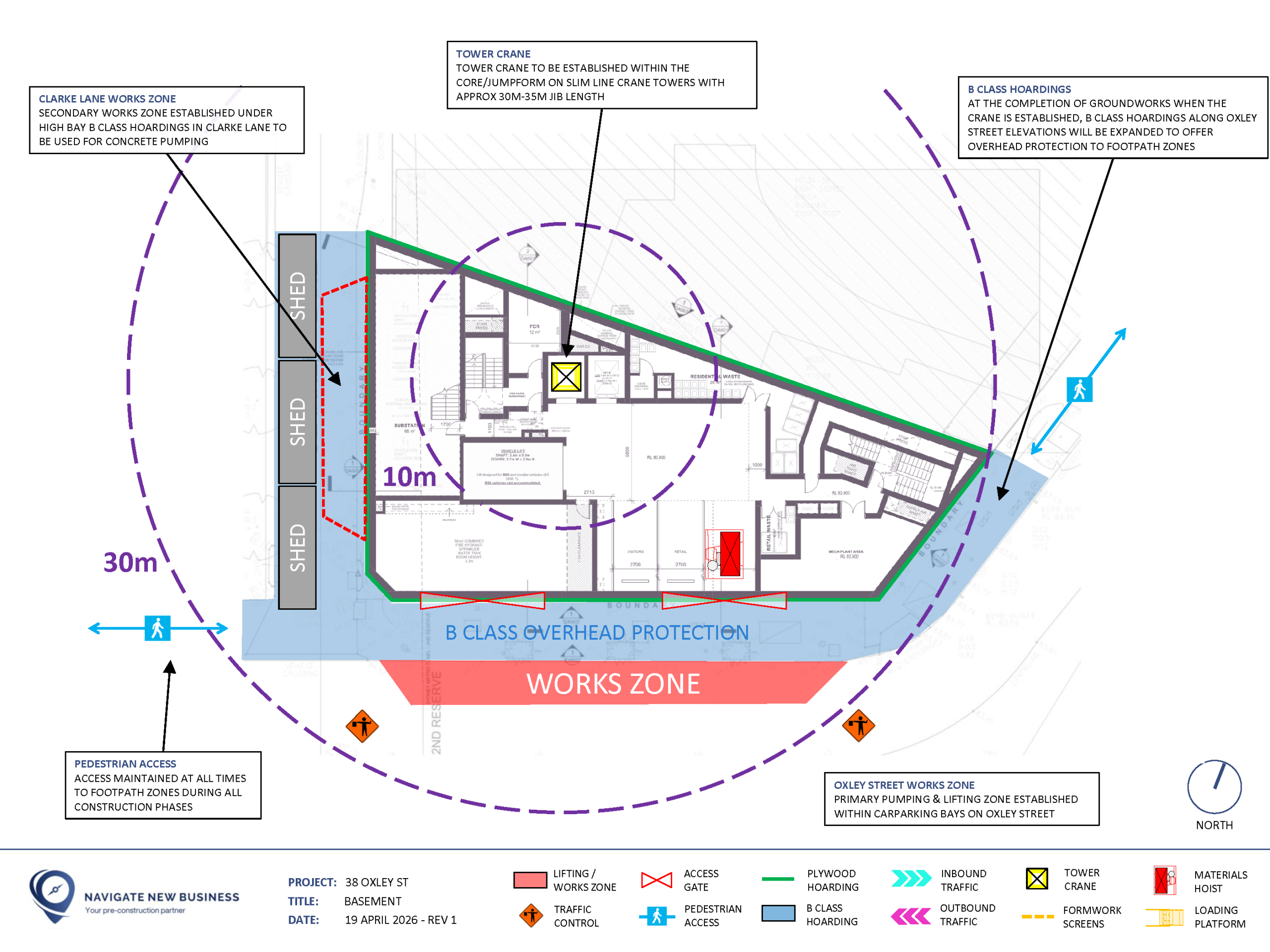
Construction vehicles will primarily access the site from Oxley Street, using a dedicated works zone within selected on‑street parking spaces and a secondary works zone along Clarke Lane may be used during peak periods. Traffic controllers will manage all vehicle movements.

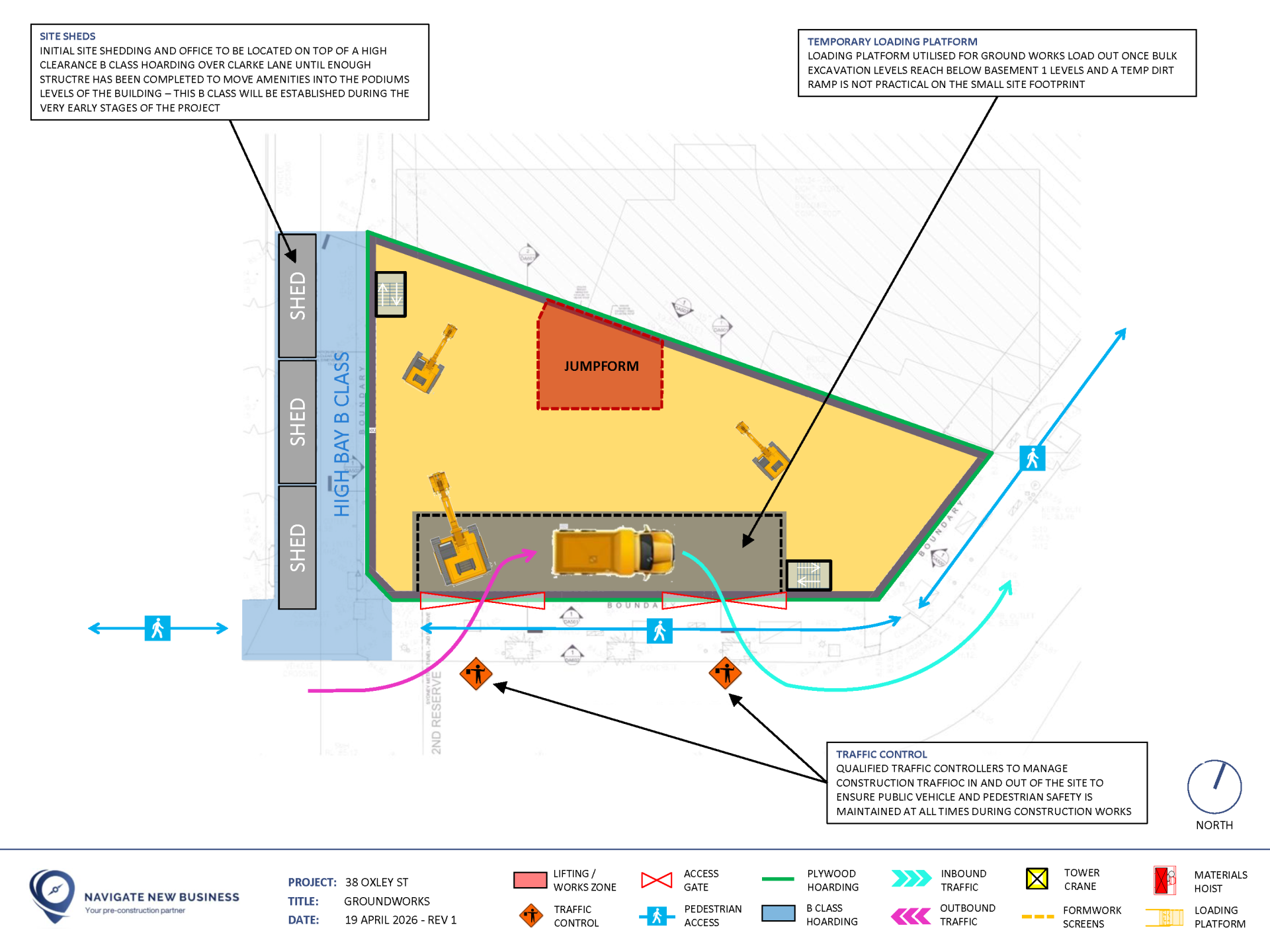
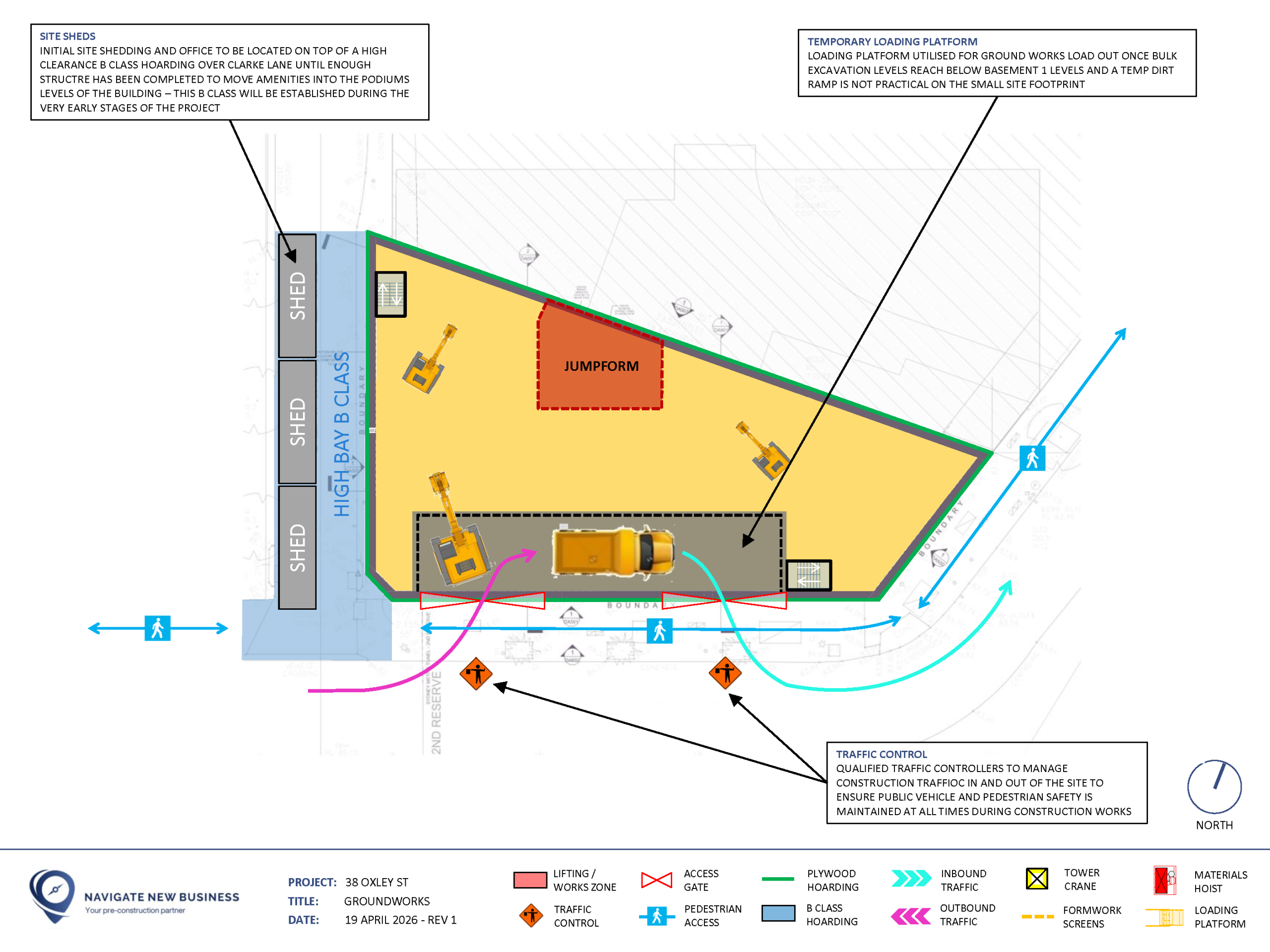
Loading, unloading and material handling will only occur within designated work zones or within the site a temporary loading platform.

Given the constrained size of the site, it will be necessary to initially establish a temporary site office on a gantry above Clarke Lane. It will later move inside the building as works progress.

Pedestrian access along Oxley Street and Clarke Lane will be maintained at all times. Hoardings, overhead protection and clear signage will be provided where required to ensure public safety.

The Developer

Based in Sydney’s Lower North Shore, BMV Property Group is a boutique property development company with expertise in residential and mixed-use developments, and a focus on developing prestige apartments with high quality living environments in well located and highly desirable neighbourhoods.

Their developments are widely recognised for their strong design elements and premium locations across Crows Nest, Mosman, Lane Cove and St Leonards. BMV Property Group provides exclusive lifestyle homes for those seeking to reside in iconic properties and offers investors stable and lasting capital growth underpinned by an unwavering commitment to excellence.

Frequently Asked Questions

1. Why is the development considered State Significant Development (SSD)?

The development is considered State Significant as it is located within a Transport-Oriented Development (TOD) Accelerated Precinct. Projects in these precincts with a value over $60 million are assessed through a temporary SSD pathway introduced by the NSW Government. This pathway will operate until 30 November 2027, and has been designed to fast-track approvals and deliver more housing near transport hubs.

2. How does the car lift work?

Vehicle access to the development will be provided via an automated car lift accessed from Clarke Lane. It has been determined that there is a low likelihood of queuing on Clarke Lane due to the relatively small number of vehicle movements generated by the development.

Residents will drive into the lift at ground level, and the system will automatically transport the vehicle to the nominated basement parking level. Residents can call the lift in advance, so it is ready upon arrival. The lift is designed to remain at ground level when not in use and will operate with traffic signal controls to safely manage vehicle movements into and out of the site.

3. What are affordable housing units?

Affordable housing units are homes managed by a registered community housing provider and rented at below-market rates to people on low to moderate incomes so they can better afford living costs.

Under the North Sydney LEP, a minimum of 15% of the residential floor space must be provided as affordable housing and must be supplied in perpetuity.

4. When will the application be lodged?

The project team is currently preparing the Environmental Impact Statement (EIS) and supporting technical documentation required for lodgement of the SSDA. Following the community consultation process, the architectural design will be refined to address stakeholder and resident feedback. It is anticipated that the State Significant Development Application will be lodged with the NSW Department of Planning, Housing and Infrastructure in mid-2026.

5. Will the community have an opportunity to make a submission on the SSDA?

Yes. Once the SSDA is formally lodged, the NSW Department of Planning, Housing and Infrastructure will publicly exhibit the application for a minimum period of 28 days. During this exhibition period, members of the community will be able to make submissions on the NSW Planning Portal. All submissions will be considered as part of the assessment process before a determination is made.

6. What types of uses are proposed for the ground floor and mezzanine commercial spaces?

Retail uses are proposed for both the ground floor and mezzanine level. This will activate the Oxley Street frontage and create new business and employment opportunities.

7. Will construction activities require the closure of Clarke Lane?

No permanent closure of Clarke Lane is proposed. Temporary traffic management measures will be required throughout the construction.

Temporary impacts will be managed through the Construction Management Plan (CMP) prepared as part of the SSDA process, with appropriate notification provided to nearby residents and businesses.

8. Who can I talk to for more information?

Community consultation for the project is being managed by UrbanTalk.

If you would like more information, have questions about the proposal, or would like to provide feedback, you can contact the project team through the feedback form provided on the Project Listing.
Provide your feedback